Dear Partner,
Welcome to the October edition of our newsletter.
As Nigeria marks 66 years of independence, the anniversary offers an opportunity to look beyond celebrations and ask a more searching question: what does the evidence tell us about the Republic we have built?
A country is not defined only by the promises contained in its laws, the figures in its budgets or the assurances made by public institutions. It is also defined by what citizens encounter when they try to exercise their rights, access public services, or benefit from resources allocated in their name. That is where investigative journalism matters.
Across WSCIJ-supported investigations, journalists have examined what happens between public promises and lived realities. Investigations into abandoned hospitals in Sokoto despite multimillion-naira budgets, medical certificate fraud in Kwara hospitals and cross-border smuggling have brought scrutiny to allocations and utilisation of public resources and systems that affect citizens directly.
The investigation “Democracy on the Margins: How Systemic Exclusion is Leaving Nigeria’s PWDs Behind” examined the gap between legal provisions for electoral inclusion and the experiences of persons with disabilities in Niger State. Another investigation into the Odo Iya Alaro River in Lagos examined a wastewater treatment plant and questions around environmental regulation and its impact on surrounding communities. Different issues, but the same fundamental question: does what exist on paper actually work in practice?
Investigative journalism does not simply record what institutions say. It examines the evidence, follows the trail and gives citizens information with which to question decisions made in their name. Its first duty is to make it harder for i failures to remain hidden.
That requires more than finding a compelling story. It requires documents, data, witnesses, fieldwork, verification, and the persistence to return when the first response is a press statement. This is the thinking behind WSCIJ’s Report Until Something Happens (RUSH) model: publication is not necessarily the end of the story. Journalists must keep asking what changed, who acted, and whether citizens eventually got what they were promised.
This matters to Nigeria at 66 because a republic is experienced in the realities of everyday life — in whether hospitals function, roads are usable, rivers are protected, institutions answer to citizens and rights can be exercised.
As we reflect another year of independence, investigative journalism has a vital role in helping the country examine its own record — following the evidence, testing the promises and keeping unanswered questions in public view. Sometimes, the most important story is the one that begins where the official story ends.
Motunrayo Alaka
Executive Director/CEO, WSCIJ
Opportunities for Journalists
AIPS Sport Media Awards 2026 Now Open – Apply for $5,000 Prizes – Deadline, November 4, 2026
Apply for Managing Editor Africa at Mongabay – Deadline Rolling
Apply for Punocracy Prize Satire competition entries – Deadline, October 31, 2026
Submit Application for McGraw Business Journalism Fellowship – Deadline, October 12, 2026
Apply for Merck Foundation Media Awards on Diabetes and Hypertension Reporting – Deadline, October 30, 2026
Nominations for 2026 Free Press Awards are open – Deadline, October 16, 2026
2027 Ochberg Fellowship Open for Applications – Deadline, October 20, 2026
Asharami Energy Reporting Fellowship – Deadline, November 30, 2026.
2027 FASPE Journalism Programme Open for Applications – Deadline, January 3, 2027
Apply for Pulitzer Center Global Reporting Grants – Deadline Rolling
Coming Next
21st Wole Soyinka Award for Investigative Reporting – Call for Entries Opens October 4
The Wole Soyinka Centre for Investigative Journalism (WSCIJ) is pleased to announce the call for entries for the 21st edition of the Wole Soyinka Award for Investigative Reporting (WSAIR). This edition, opening on Sunday, 4 October 2026, celebrates over two decades of honouring the courageous efforts of investigative journalists and rewarding best practices in the Nigerian media.
Since its inception in 2005, the award has recognised outstanding journalists whose works prevent or expose corruption, highlight human rights violations, and uncover regulatory failures in Nigeria. Eligible categories include print, online, photo, editorial cartoon, television, and radio.

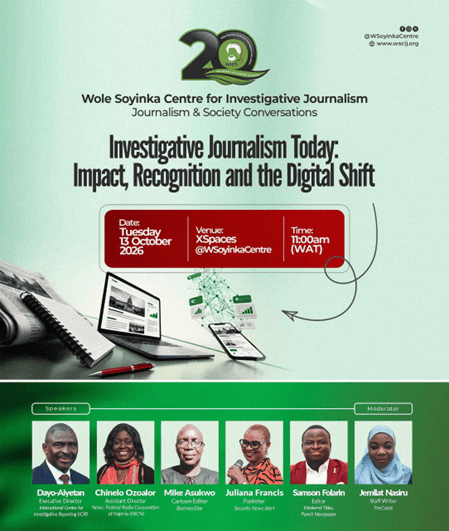
WSCIJ to Host Journalism & Society Conversations on Investigative Journalism Impact and Digital Shift
What should investigative journalism achieve beyond recognition? As the Wole Soyinka Centre for Investigative Journalism (WSCIJ) prepares to open entries for the 21st Wole Soyinka Award for Investigative Reporting (WSAIR) on 4 October, its October Journalism & Society Conversations will examine this question through the theme, “Investigative Journalism Today: Impact, Recognition and the Digital Shift.”
The conversation will explore what impact, public interest, evidence and accountability mean for investigative journalism today, and how the shift across print, radio, television and digital platforms is changing the way investigative work is produced, consumed and recognised. Join us on Tuesday, 13 October 2026, from 11:00 a.m. to 12:30 p.m. on X Spaces.
Journalists Timeout October Edition: An Invitation to Step Away from the News Cycle
On Wednesday, 21 October 2026, WSCIJ’s Journalists’ Time-out returns in collaboration with Paradigm Initiative with the theme, “Life Beyond the News Cycle,” a virtual special edition for early- to mid-career technology and digital journalists to relax, play, share a few throwback memories and connect beyond the newsroom.
The Time-out will feature a film screening, Naija Tech Throwback games and quizzes, and informal conversations designed to encourage reflection and connection beyond journalism.
Want to take a time-out with us? Express your interest here.

Inside WSCIJ
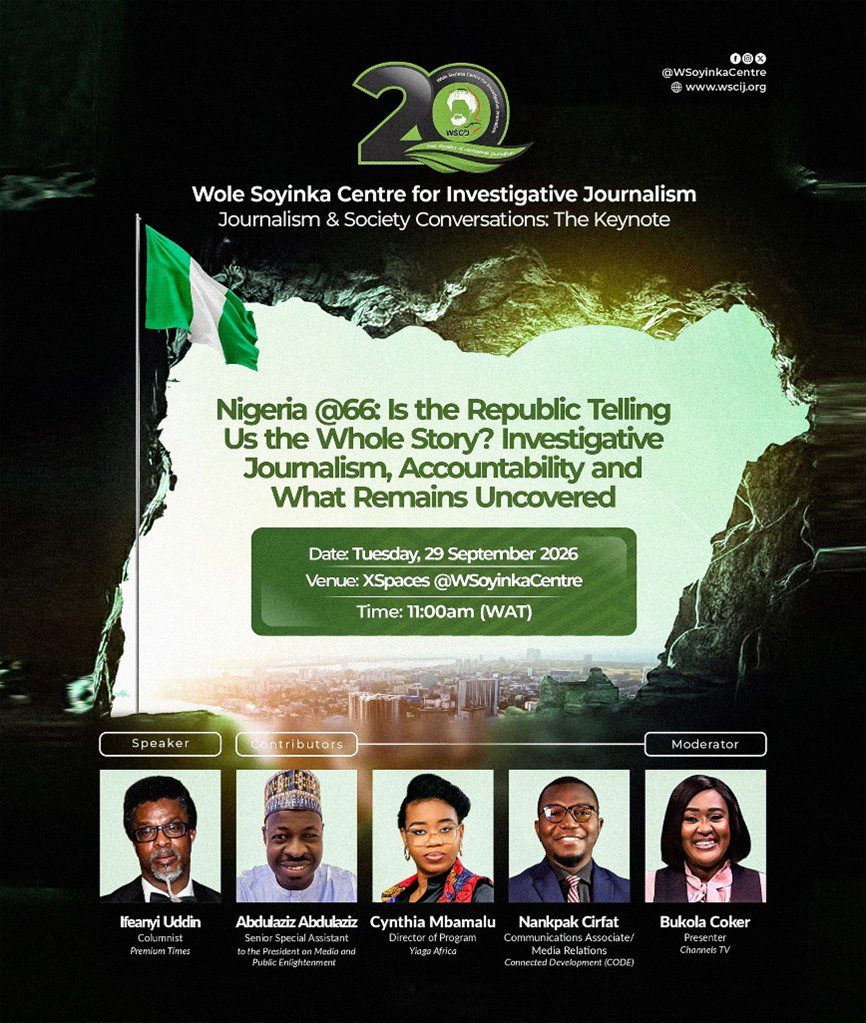
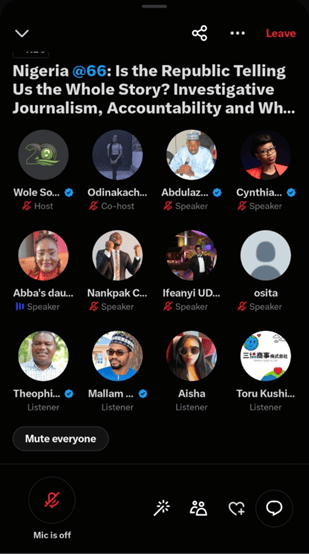
As Nigeria prepares to mark another year of its independence, questions about the stories the country tells about itself, the evidence behind those narratives and the realities that remain outside public view took centre stage at the September edition of the Wole Soyinka Centre for Investigative Journalism’s (WSCIJ) Journalism & Society Conversations on Tuesday, 29 September 2026.
The special edition, “The Keynote”, themed “Nigeria @66: Is the Republic Telling Us the Whole Story? Investigative Journalism, Accountability and What Remains Uncovered,” examined what investigative journalism has helped Nigerians know about governance, public resources and institutional performance, while asking what stories still require deeper scrutiny as the country approaches the 2027 general elections.
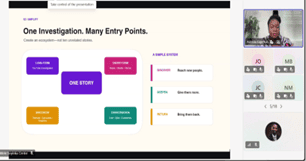
WSCIJ Urges Journalists to Take Investigative Stories Beyond Publication
The Wole Soyinka Centre for Investigative Journalism (WSCIJ) has urged journalists to move beyond simply publishing investigative stories to adopting deliberate digital and storytelling strategies to expand their reach, engage audiences and maximise impact.
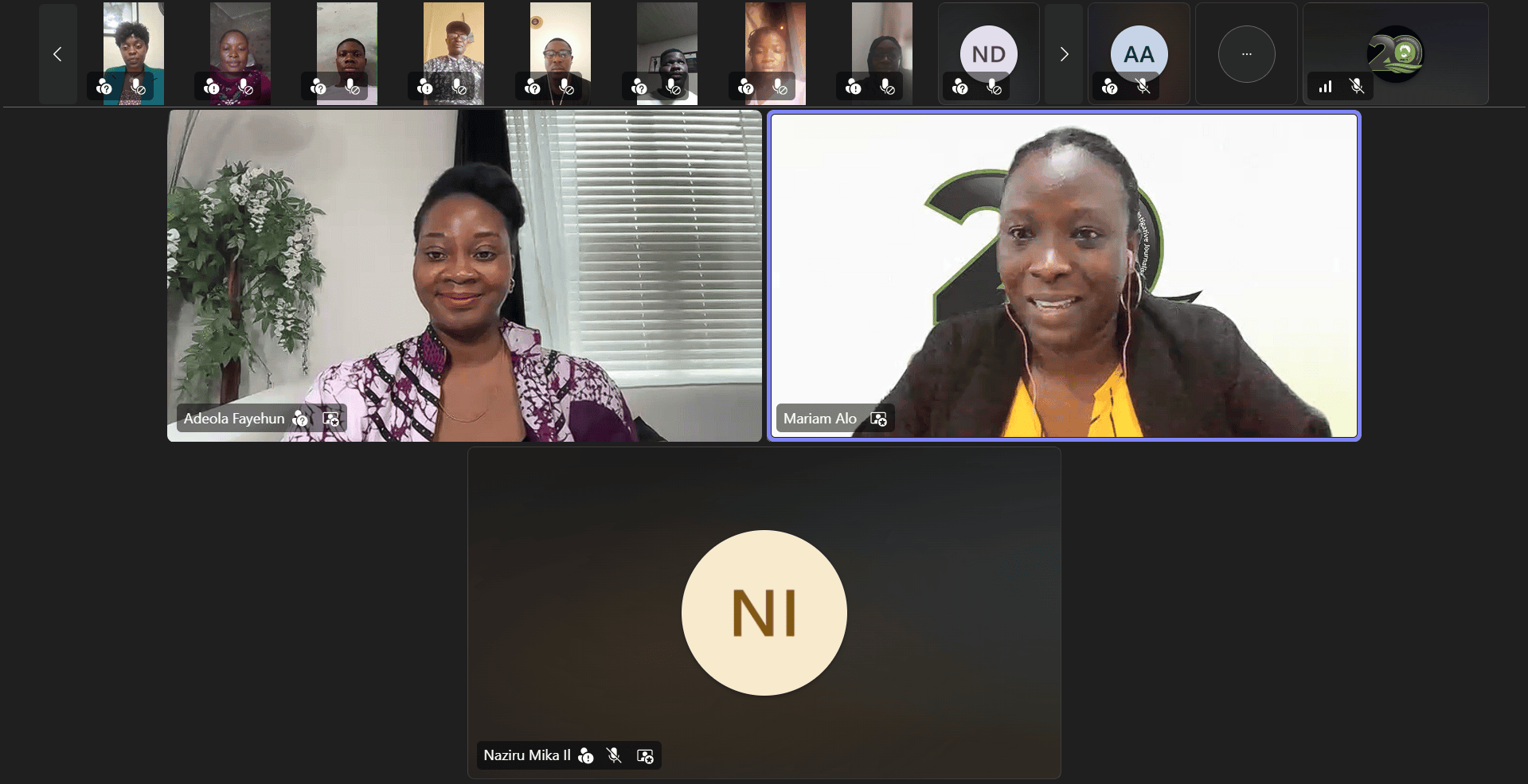
The call was made during a training organised by the Centre under the Collaborative Media Engagement for Development, Inclusivity and Accountability (CMEDIA) Project themed “Maximising Digital Platforms: Amplifying Investigative Stories, Engaging Audiences and Unlocking Opportunities.”
The training featured Naziru Abubakar, Digital Journalism Trainer and former Editor-in-Chief of Daily Trust Newspaper, whose session was titled “From Story to Strategy: Optimising Investigative Journalism Across Digital Platforms,” and Adeola Fayehun, Producer and Host of Keeping It Real With Adeola, who addressed “Beyond Publishing: Creator-Led Journalism and the Art of Engaging Audiences with Investigative Stories.”
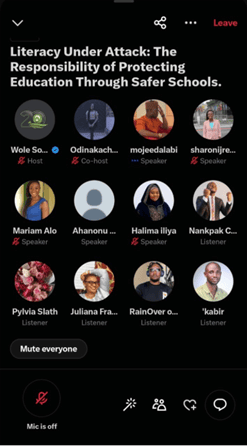
During our September edition of the Journalism & Society Conversations, convened virtually on X Spaces under the theme “Literacy Under Attack: The Responsibility of Protecting Education Through Safer Schools” experts, media practitioners, and human rights advocates gathered to unpack the WSCIJ 2025Journalism and Civic Space Status Report titled Silenced Voices, Shrinking Space: Civic Freedoms Under Pressure. The Conversation was moderated by Sharon Ijasan, broadcast journalist at Television Continental.
The expert panel featuring Mojeed Alabi, Investigative Journalist and Team Lead, DevReporting, Odinakachi Ahanonu, Halima Illiya, National Coordinator, Safe Schools Program, and Policy Advisor/National Coordinator of the Civil Society Action Coalition on Education for All (CSACEFA) Nigeria. The discussion emphasised that journalism has an important role to play, not only in documenting what happens when schools are attacked, but in investigating the decisions, resources, systems and institutional failures that determine whether children can safely remain in school.
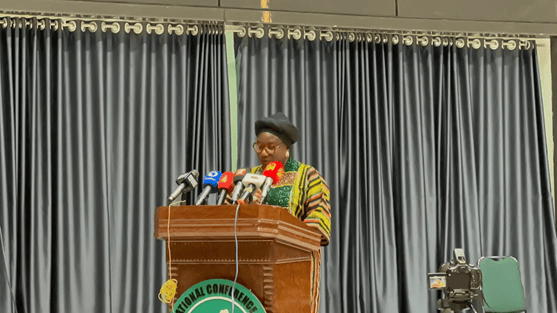
Strengthen Editorial Verification and Standards, Alaka Tells Broadcasters
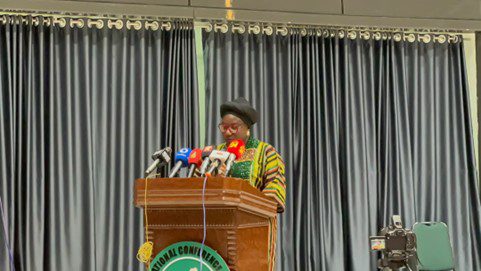
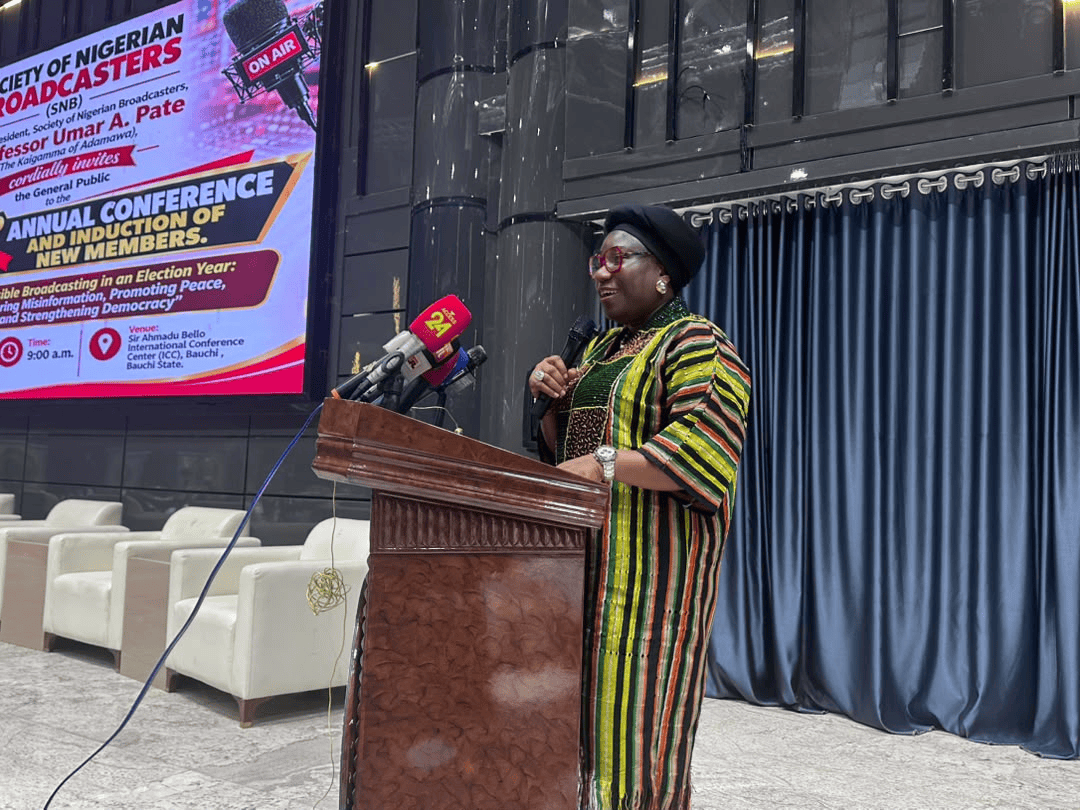
As radio, television and digital platforms increasingly become part of the same information journey, Motunrayo Alaka, Executive Director/CEO, Wole Soyinka Centre for Investigative Journalism (WSCIJ), has urged broadcasters to strengthen verification, editorial standards and accountability to ensure information remains accurate, verified, fair and useful wherever it travels.
She made the remarks while delivering the keynote address at the 3rd Annual National Conference, Panel Discussions and Induction of New Members of the Society of Nigerian Broadcasters (SNB) in Bauchi, themed “Responsible Broadcasting in an Election Year: Countering Misinformation, Promoting Peace and Strengthening Democracy.”
Akala noted that audiences no longer consume broadcast and digital media separately, as information moves rapidly between radio, television, social media, streaming platforms and messaging applications.
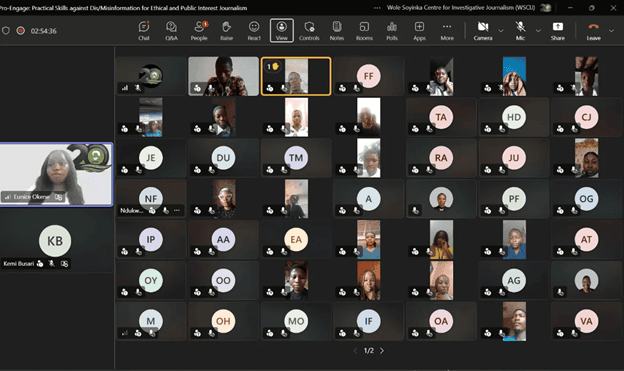
Journalism experts have charged 185 student journalists from 12 institutions across South-West Nigeria, who were at the Wole Soyinka Centre for Investigative Journalism’s Pro-Engage 2026 Western Edition, to approach journalism with the discipline to verify information, the judgement to report responsibly and the skills to navigate an increasingly complex information environment.
The two-day virtual training held on Thursday 17 and Friday 18 September 2026, with the theme “Beyond the Classroom: Investigative Skills for Emerging Journalists,” and sub-theme, “Practical Skills against Dis/Misinformation for Ethical and Public Interest Journalism.” Focusing on ethical decision-making and the responsibility to avoid harm to factchecking, digital verification, OSINT and AI, the training reinforced a simple but essential principle: what journalists put before the public must be accurate, responsible and supported by evidence.
The Western Edition brought WSCIJ’s 2026 Pro-Engage engagements to a close, following earlier editions in the Northern and South-Eastern regions. With students drawn from the University of Ibadan, Lagos State University, Babcock University, Crescent University, Yaba College of Education, Ladoke Akintola University, South Western University, Bamidele Olumilua University, Augustine University, Achievers University, Pan-Atlantic University and Mountain Top University, the Western Edition further extended WSCIJ’s engagement with the next generation of Nigerian journalists.
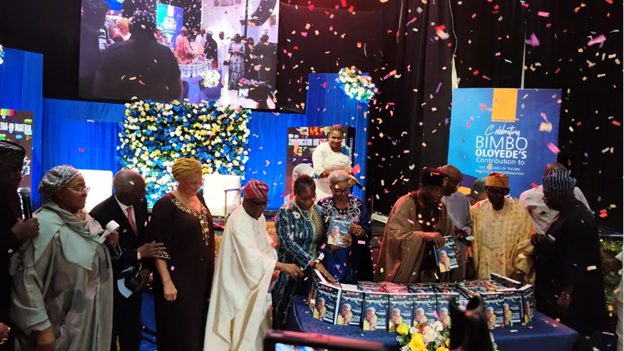
on Tuesday, 1 September 2026, Motunrayo Alako, Executive Director/CEO, Wole Soyinka Centre for Investigative Journalism (WSCIJ) joined scholars, media practitioners and creative industry leaders to celebrate veteran broadcaster and WSCIJ Lifetime Award for Journalistic Excellence winner, Bimbo Oloyede, as she marked five decades of contributions to broadcasting and also launch her festschrift.
Speaking at the event, Alaka commended Oloyede for sustaining a remarkable 50-year legacy on the Nigeria’s media landscape and for continuously reinventing herself throughout her career. Alaka described Oloyede as a “dreamer” who has remained consistent in seeking new opportunities to contribute to society and redefine her role within the media space.
Alaka, who also contributed a chapter to the publication, underscored the Centre’s connection to Oloyede’s enduring contributions to Nigerian media.
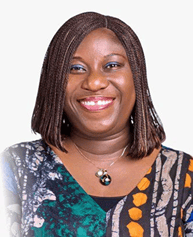
As Nigeria continues to grapple with attacks on schools, Motunrayo Alaka, Wole Soyinka Centre for Investigative Journalism (WSCIJ) Executive Director, asks a critical question: What has changed? The question is particularly pertinent as the world marks International Literacy Day and the International Day to Protect Education from Attack. What does the right to education mean when children cannot safely reach, remain in or learn in school?
For too many Nigerian children, that question is no longer theoretical. In June 2026, 36 students and a staff member were abducted from Government Day Secondary School in Lassa, Borno State, during examinations. Earlier this year, more than 30 students and teachers were abducted in attacks on schools in Oyo State.
Alaka Calls for Citizen-Led Accountability, Stronger Investigative Journalism
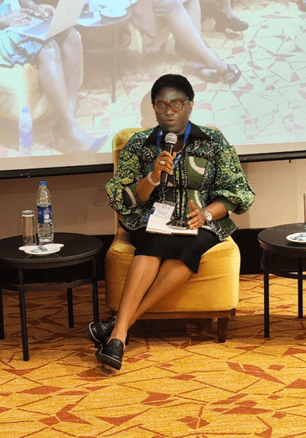
The Executive Director/Chief Executive Officer of the Wole Soyinka Centre for Investigative Journalism (WSCIJ), Motunrayo Alaka, has called for stronger citizen-led accountability and more intentional journalism to address corruption and strengthen democratic governance in Africa.
Alaka made the call at a High-Level Dialogue on Anti-Corruption and Accountability, organised by the Centre on African Philanthropy and Social Investment (CAPSI), and themed “Have We Lost the Anti-Corruption and Accountability Debate? Reflections on Power, Politics and Three Decades of Anti-Corruption Work in Africa.”
She urged journalists to conduct deeper research, ask the right questions, and pursue the story beyond the initial publication, stressing that reporting should continue until there is evidence of action or change. She linked this approach to WSCIJ’s Reporting Until Something Happens (RUSH) model.
Journalism Today
Nigeria @66: What Investigative Journalism Reveals About the Democracy We Have
As Nigeria marks 66 years of independence, familiar questions return: How far have we come? What has democracy delivered? Beyond these questions is another that deserves attention: Who is asking the difficult questions about how power is exercised, public resources are spent, and whether those entrusted with public responsibility are delivering on their promises? This is where investigative journalism matters.
For democracy to work beyond elections, citizens need more than the right to vote; they need credible information to understand and question how they are governed. Investigative journalism provides that bridge by going beyond what happened to uncover why it happened; it follows documents and public funds, interrogates official claims, listens to affected communities, and keeps issues alive beyond the news cycle.
In a country where the gap between policy promises and lived realities can be wide, this watchdog role is critical. Yet the value of investigative journalism should not be measured only by what it exposes, but also by what happens after publication. At the Wole Soyinka Centre for Investigative Journalism (WSCIJ), this question is central to the Centre’s accountability journalism approach. Through the Collaborative Media Engagement for Development, Inclusivity and Accountability (CMEDIA) project and the Report Until Something Happens (RUSH) model, WSCIJ supports journalism that moves from exposure to sustained engagement, follow-up and measurable change. By 2026, the project had supported 844 accountability stories through its network of partner organisations.
Some of these stories demonstrate the potential of journalism to generate action. A CMEDIA-supported investigation into the abandoned Dangote Female Hostel at Kano University of Science and Technology, Wudil, scrutinised a project valued at more than ₦230 million, using physical inspection, public records and Freedom of Information requests to demand answers on its stalled reconstruction. Another investigation into flood-damaged primary healthcare centres in Jigawa State drew responses from local authorities, including commitments to assess affected facilities and consider them in subsequent planning. These examples show that a story can become more than a revelation when sustained reporting places legitimate pressure on relevant institutions to respond.
This is where investigative journalism connects directly with the dividend of democracy. Democracy is not only about elections, political transitions or the transfer of power; its dividends should be visible in functioning schools and hospitals, completed infrastructure, accountable public spending, responsive institutions and communities able to demand results. But journalists cannot deliver these dividends alone; political leaders and public institutions have a responsibility to respond to credible findings, provide information, investigate wrongdoing, and correct failures. Citizens, too, have a role in completing the accountability chain.
As Nigeria turns 66, therefore, the country’s democratic conversation must look beyond the celebration of longevity to the quality of governance citizens experience. It should challenge political and institutional leaders to demonstrate that public resources are reaching their intended beneficiaries; institutions are responding to failures, and citizens can access the information required to hold power accountable. And it should ask one crucial question whenever investigative journalism exposes a problem: What happens next?
At 66, Nigeria needs more than stories that reveal what is wrong. It needs a culture where revelations lead to questions, questions lead to responses, responses lead to action, and the impact of action can be independently verified. Investigative journalism remains an essential democratic institution: watching, questioning, exposing and following through until citizens can see the difference.
Living on Borrowed Time: How Nigeria’s Unchecked E-Waste Is Poisoning Residents, Environment
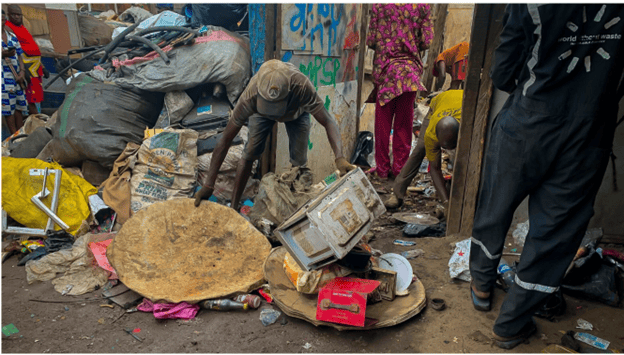
Nigeria’s rapid adoption of electronic devices has created a growing waste problem, but what happens when the systems meant to manage that waste fail? This investigation awarded during 2024 Wole Soyinka Awards for Investigative Reporting, traces the environmental and health consequences of Nigeria’s poorly regulated e-waste sector, revealing how discarded electronics are exposing people and ecosystems to hazardous substances.
From informal recycling sites to communities living alongside waste-processing activities, the investigation reveals a development challenge that is easy to overlook: the pursuit of technological advancement without adequate systems for managing its environmental cost.
As Nigeria marks 66 years of independence, the investigation raises an important question about the kind of development the country is pursuing. Sustainable progress requires more than expanding access to technology; it demands institutions capable of regulating its consequences and protecting the people and environments that sustain economic growth.
Abandoned Projects: Tracking Nigeria’s Unfinished Development Promises
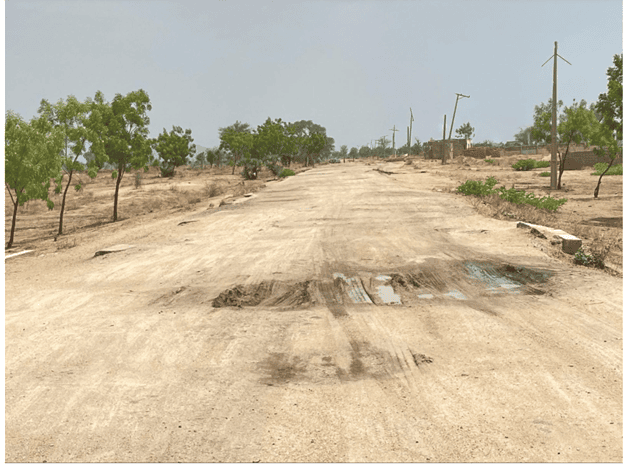
What happens when public funds are allocated for development projects that never reach the people they were intended to serve? Dataphyte’s investigations into abandoned and constituency projects use data, field reporting and public records to examine the gap between government spending and actual development across Nigerian communities.
Across sectors and locations, abandoned projects represent more than unfinished structures. They can mean communities without functional health facilities, pupils without adequate classrooms, farmers without promised infrastructure, and citizens left without the services for which public funds have already been allocated. By tracking projects from budgetary allocations to their physical presence or absence on the ground, Dataphyte brings evidence to questions about how public resources are planned, spent and monitored.
At 66, Nigeria’s development story cannot be measured solely by the size of its budgets or the number of projects announced. It must also be measured by what citizens can see, use, and benefit from. Dataphyte’s work illustrates the role of investigative and data journalism in following public money, exposing implementation gaps and making development promises more accountable to the people they are meant to serve.
Voices from the field
Ann Godwin
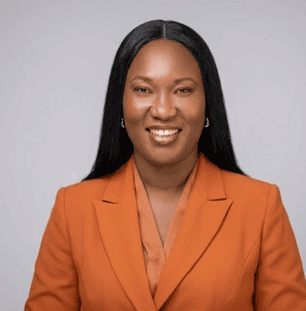
Ann Godwin has built a reputation for persistent, public-interest reporting that examines how institutional failures affect communities and the people they serve. Her engagement with the Wole Soyinka Centre for Investigative Journalism (WSCIJ) has included participation in the Report Women! Female Reporters Leadership Programme, where she received the first prize for both the story and leadership project categories in 2022. She has also contributed to WSCIJ’s Journalism & Society Conversations, sharing insights on collaboration, integrity and persistence in investigative reporting.
Her reporting has repeatedly brought the consequences of institutional neglect into public view. In 2024, her investigation, “At UPTH’s ICU, Horror, Nightmare as Caregivers Exploit Sick and Dying Patients,” exposed the exploitation of patients’ families, malpractice and critical gaps in oxygen supply at the University of Port Harcourt Teaching Hospital. The investigation earned her the runner-up position in the Print Category of the 2024 Wole Soyinka Award for Investigative Reporting and subsequently drew Federal Government attention, leading to the completion of four oxygen manifold piping facilities covering 100 beds at the hospital.
Her commitment to sustained accountability reporting was further recognised at the 2025 Wole Soyinka Award for Investigative Reporting, where she and her Guardian colleagues received a commendation for “South South: An Oil-Rich Region With ‘Dunghills’ of Abandoned Projects.” The investigation examined abandoned public infrastructure across the six oil-producing states, showing how stalled projects undermine development and public trust in communities that contribute significantly to Nigeria’s economy.
Afeez Hanafi
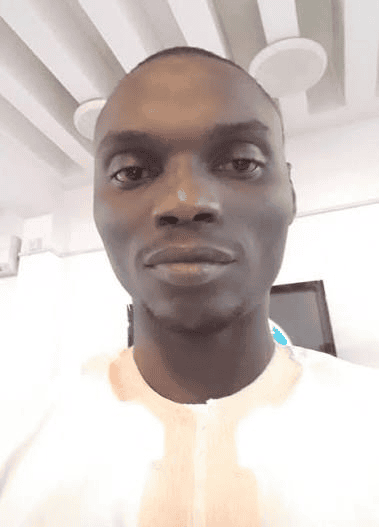
Afeez Hanafi is an investigative journalist whose reporting has focused on exposing regulatory failures, institutional weaknesses and practices that put the public at risk. His most significant recognition from the Wole Soyinka Centre for Investigative Journalism (WSCIJ) came at the 20th Wole Soyinka Award for Investigative Reporting in 2025, where he emerged as the winner of the Print Category. In “Journalist Secures Two Jobs with Oluwole Certificates,” published in Daily Trust, Hanafi investigated an underground certificate-forgery network in Lagos and the regulatory gaps allowing forged qualifications to enter critical sectors. Going undercover, he obtained a forged certificate and used it to secure teaching positions at two private schools, exposing how easily fraudulent credentials could be used to gain employment. The investigation revealed not only the activities of the forgery network but also the vulnerabilities within systems responsible for verifying qualifications and protecting institutions from fraudulent practices.
His investigation amongst his numerous bodies of work is particularly relevant to Nigeria’s 66th Independence Anniversary because it goes beyond exposing individual wrongdoing to examining the institutional weaknesses that allow it to thrive. His reporting demonstrates how investigative journalism can strengthen accountability, protect public institutions and contribute to the more functional Nigeria that citizens deserve.
AI in Investigative Journalism
Scam Adviser
ScamAdviser | Check Any Website for Scams & Fraud | Free

ScamAdviser is an online verification tool that helps journalists assess whether a website is trustworthy or potentially risky. It analyses factors such as domain information, website history, reviews, and other signals to generate a Trust Score.
How to use it: Enter the website URL into ScamAdviser, review its Trust Score and risk indicators, and use the findings as one part of your verification process before relying on or publishing information from the site.