Dear Partner,
Welcome to the September edition of our newsletter.
September brings two important reminders about education: International Literacy Day, marked on 8 September with the theme “Literacy for people, the planet and prosperity,” and the International Day to Protect Education from Attack, observed on 9 September.
For Nigeria, these two days should prompt us to look beyond literacy as a question of whether a child can read and write. What does literacy mean to a child who cannot get into a classroom, or to one who is afraid to return to school?
More than 18 million Nigerian children remain out of school, according to the United Nations Children’s Fund (UNICEF). For those who are in school, safety is an increasingly urgent concern. In May 2026, about 30 students and teachers were abducted from three schools in Oyo State. A month later, gunmen attacked Government Day Secondary School in Lassa, Borno State, abducting 36 students as they sat for their examinations.
These incidents tell a larger story. A child cannot benefit from the promise of education if access to school is blocked by poverty, exclusion or distance, or if the school itself becomes a place of danger. When children are abducted, schools close or families become too afraid to send their children to school; the consequences extend far beyond the immediate incident. Learning is interrupted, families are traumatised, and communities lose confidence in the systems meant to protect their children.
This is not unfamiliar territory for the Wole Soyinka Centre for Investigative Journalism. Through the Regulators Monitoring Programme (REMOP), initiated in 2017, the Centre has supported 56 investigative stories on basic education across 21 states and the Federal Capital Territory, examining issues including school safety, insecurity, infrastructure, funding and regulatory accountability.
Nine years on, the questions remain. Are the measures put in place to make schools safe working? Where is the money going? Who is monitoring the response when schools are attacked? And what happens to children whose education is disrupted?
These are questions journalism must refuse to leave unanswered. Journalists must look beyond the incident, follow the money, test official claims, examine the systems meant to protect schools, and return to affected communities after the headlines have faded. They must show not only what happened, but why it happened, who was responsible, what was promised afterwards, and whether anything changed because, when a child is denied a safe place to learn, the failure is not only educational; it is a failure of protection, governance and accountability. Journalism has a duty to expose that failure and keep it in the public eye until those responsible are made to answer.
Motunrayo Alaka
Executive Director/CEO, WSCIJ
Opportunities for Journalists
Apply Now for Hinrich Foundation Award for Distinguished Reporting on Trade – Deadline: September 30, 2026
Apply for Stigler Centre’s Journalists in Residence Programme – Deadline: September 20, 2026
Call for Applications: CJID 2026 Excellence in Journalism Awards – CJID – Deadline: September 12, 2026
Apply for the Fund for Investigative Journalism Grant – Deadline September 14, 2026
Apply for Information Radcliffe Institute Fellowship at Harvard University – Deadline: September 10 and October 1, 2026
Apply Now for the 2026 Fetisov Journalism Awards (FJA) – Deadline, September 15, 2026
Apply for Social Media Manger Role at Hope for HIV/AIDS International – Deadline, November 26, 2026
AIPS Sport Media Awards 2026 Now Open – Apply for $5,000 Prizes – Deadline, November 4, 2026
Apply for Managing Editor Africa at Mongabay – Deadline Rolling
Apply for Humangle Solutions and Data Journalism Training – Deadline, September 4, 2026
Coming Next
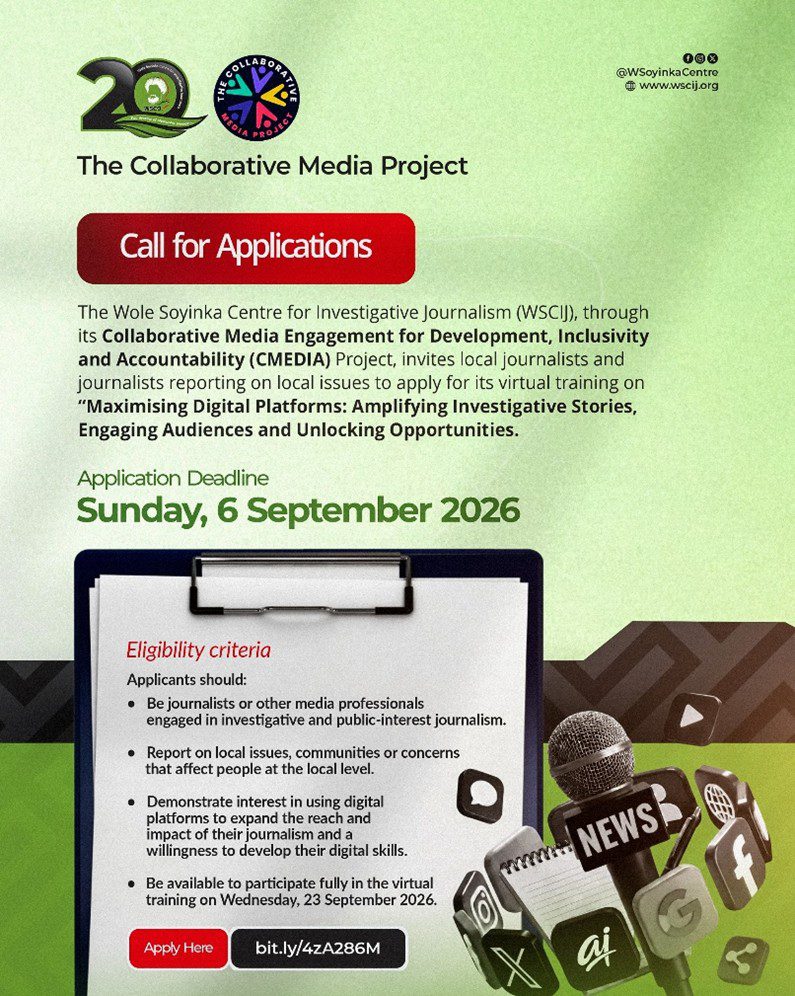
Call for Applications: Maximising Digital Platforms for Local Journalism
To support local and community-focused reporters in driving real-world impact beyond publication, the Wole Soyinka Centre for Investigative Journalism (WSCIJ), through its Collaborative Media Engagement for Development, Inclusivity and Accountability (CMEDIA) Project, invites applications for a virtual training on “Maximising Digital Platforms: Amplifying Investigative Stories, Engaging Audiences and Unlocking Opportunities” scheduled for Wednesday, 23 September 2026. This practical session will equip public-interest journalists with actionable strategies to adapt investigative reporting across digital channels, build engaged online communities, connect with key decision-makers, and unlock funding and strategic partnerships. Interested journalists reporting on local issues are encouraged to submit their applications by Sunday, 6 September 2026.
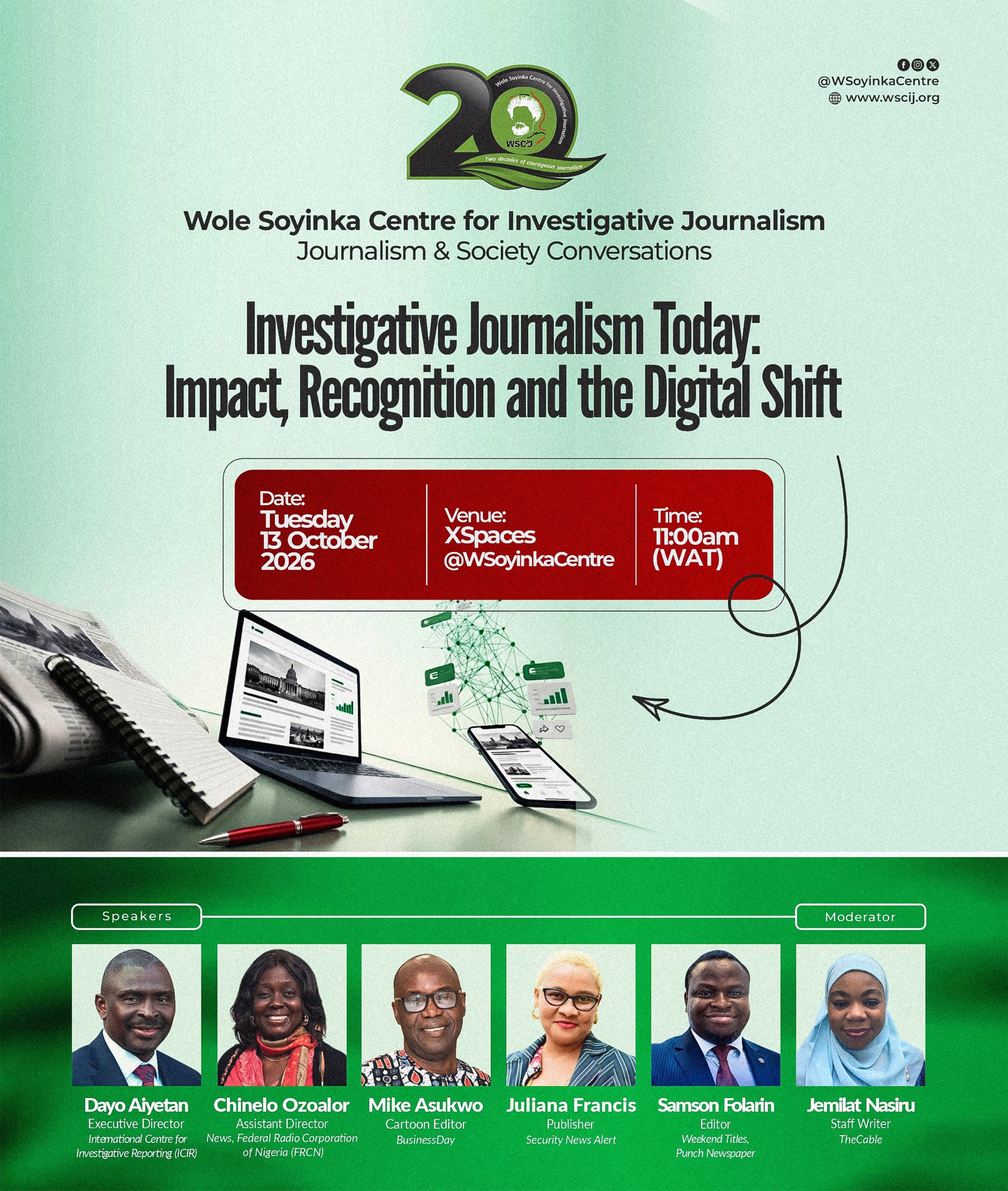
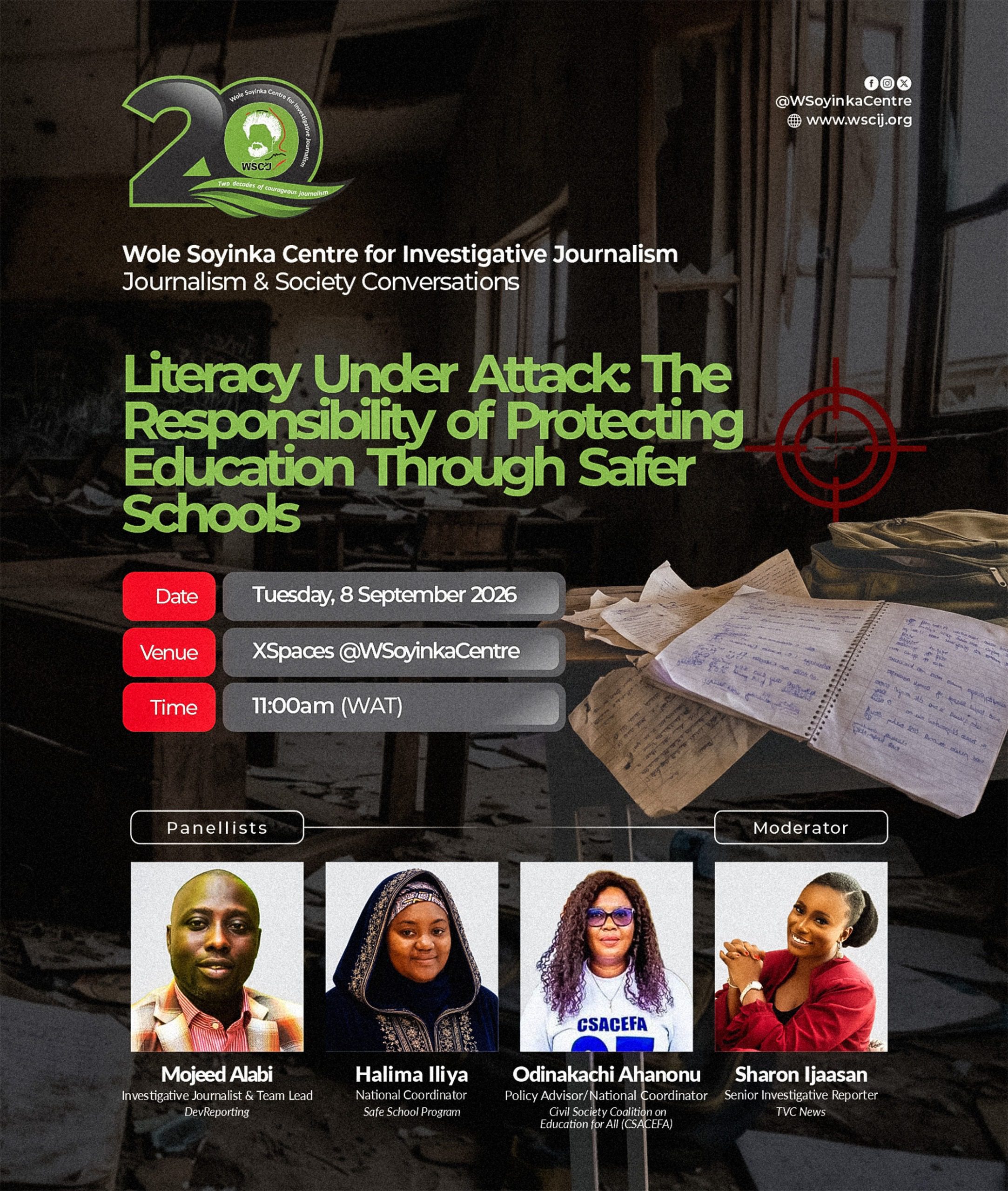
To mark International Literacy Day and the International Day to Protect Education from Attack, the Wole Soyinka Centre for Investigative Journalism (WSCIJ) will virtually host the September edition of its Journalism & Society Conversations, themed “Literacy Under Attack: The Responsibility of Protecting Education Through Safer Schools,” on Tuesday, 8 September 2026. This virtual session will bring together journalists, education stakeholders, security experts, civil society leaders, and policy advocates to interrogate the gap between Nigeria’s policy commitments, like the Safe Schools Declaration and the National Safe Schools Response Coordination Centre (NSSRCC), and the practical safety of learning environments. Building on WSCIJ’s Regulators Monitoring Programme (REMOP), the conversation will move beyond reporting attacks to examining institutional accountability, tracking resources, empowering investigative reporters through data, and identifying actionable strategies to safeguard the future of basic education in Nigeria.
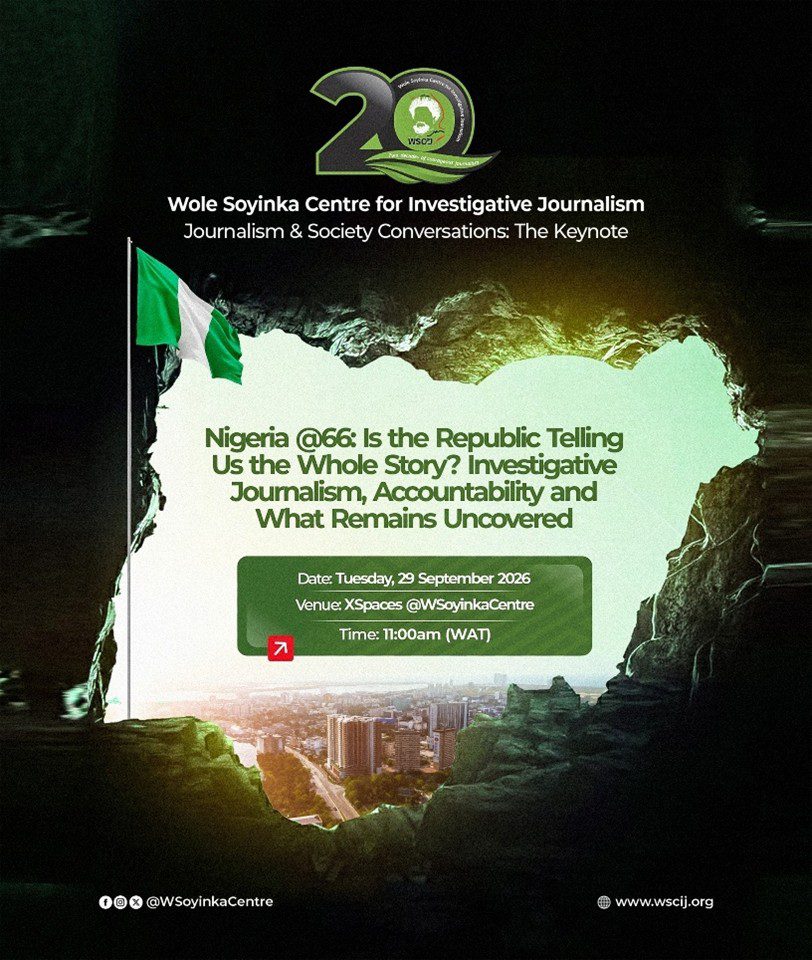
WSCIJ to Host Keynote Edition of Journalism & Society Conversations Ahead of Nigeria @66, Set to Call for Entries for 2026 Investigative Reporting Award
In commemoration of Nigeria’s 66th Independence anniversary, the Wole Soyinka Centre for Investigative Journalism (WSCIJ) will host a keynote edition of its Journalism & Society Conversations, themed “Nigeria @66: Is the Republic Telling Us the Whole Story? Investigative Journalism, Accountability and What Remains Uncovered,” on Tuesday, 29 September 2026.
Against the backdrop of state-dominated narratives and rising pressures documented in WSCIJ’s 2025 Journalism & Civic Space Status Report, this virtual session will bring together media leaders, journalists, and civic advocates, to examine hidden stories around public resources, interrogate governance, and position investigative reporting as an essential tool for informed voter choice ahead of the 2027 general elections. The event will also explore strategies to move from reporting exposure to institutional accountability, while officially announcing the opening of the call for entries for the 21st Wole Soyinka Award for Investigative Reporting on Friday, 3 October 2026.
WSCIJ to Host Pro-Engage 2026 Western Edition
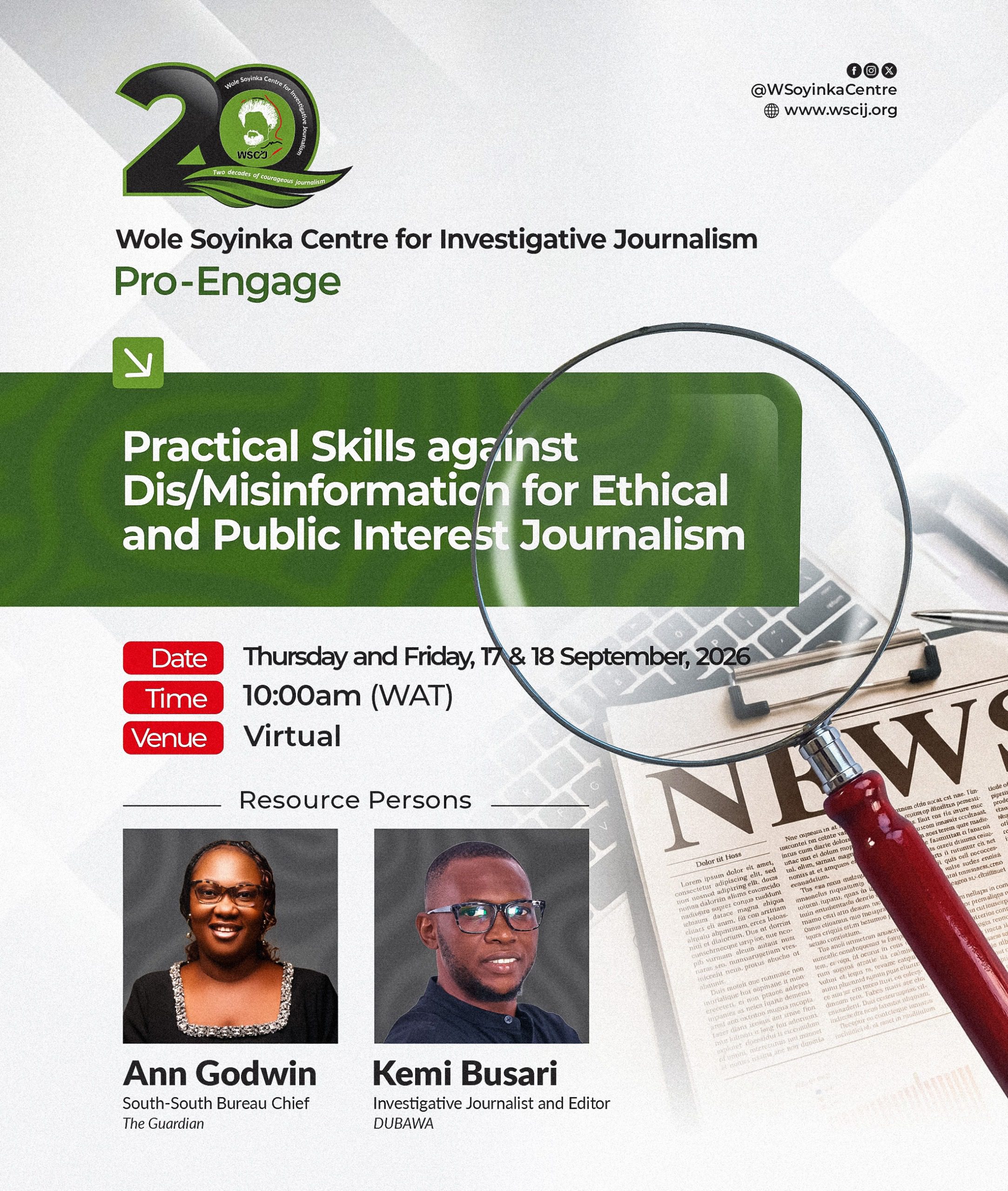
To mark the return of its flagship student engagement initiative, the Wole Soyinka Centre for Investigative Journalism (WSCIJ) is pleased to announce that after the successful completion of the Southeastern and Northern editions earlier in the year, Pro-Engage is returning with a Western edition, scheduled to hold virtually on Thursday, 17 and Friday, 18 September 2026. This two-day session is themed “Beyond the Classroom: Investigative Skills for Emerging Journalists” with a focus on “Journalism in the Age of Misinformation: Ethics, Verification and the Public Interest.” Designed to bridge the gap between classroom theory and newsroom realities, the workshop connects journalism students and early-career reporters directly with seasoned media practitioners. Day One will examine media ethics, editorial responsibility, and public-interest reporting, while Day Two will deliver practical training on factchecking, Open-Source Intelligence (OSINT), and the responsible use of AI in reporting. Building on WSCIJ’s commitment to strengthening intergenerational knowledge transfer and ethical standards, the edition aims to empower the next generation of journalists to safeguard truth and accountability across Nigeria.
Inside WSCIJ
Safeguarding Democracy Online: Highlights from Our August Journalism & Society Conversation
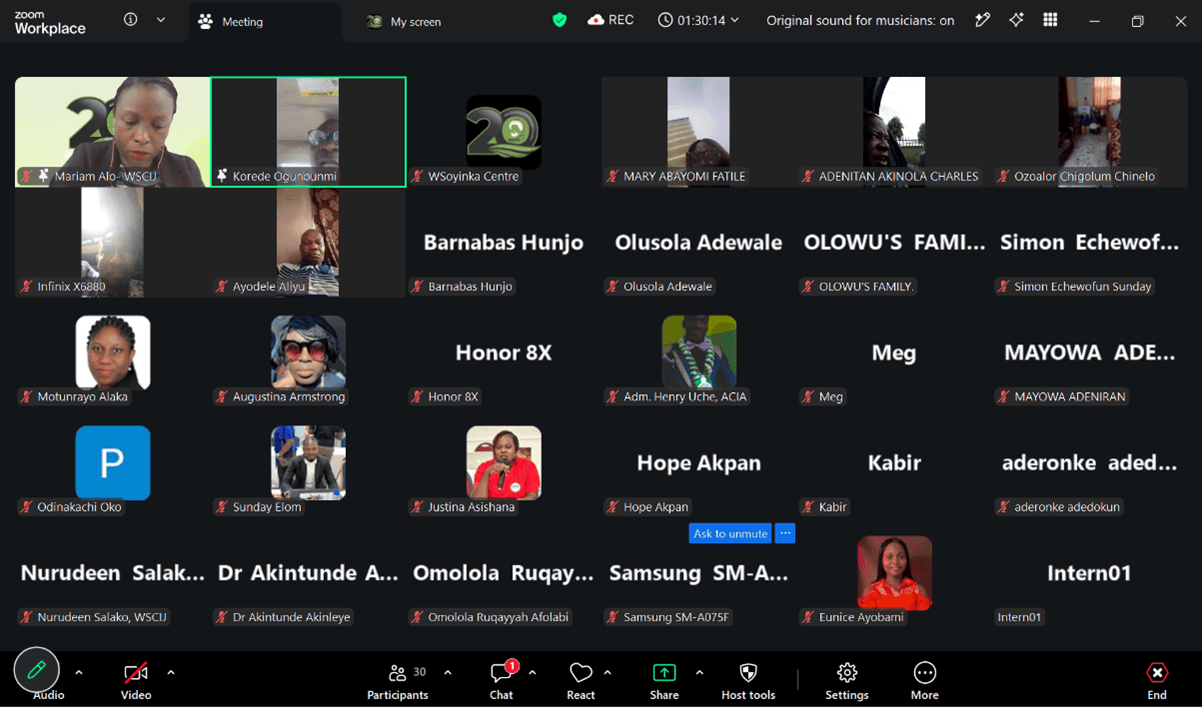
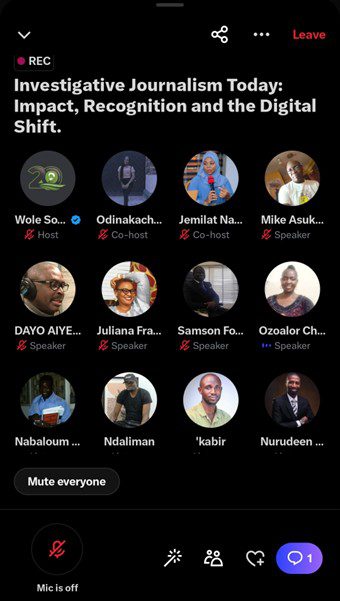
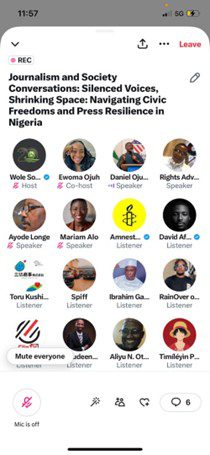
During our August edition of the Journalism & Society Conversations, convened virtually on X Spaces under the theme “Silenced Voices, Shrinking Space: Navigating Civic Freedoms and Press Resilience in Nigeria”, experts, media practitioners, and human rights advocates gathered to unpack the WSCIJ 2025Journalism and Civic Space Status Report titled Silenced Voices, Shrinking Space: Civic Freedoms Under Pressure. The Conversation was moderated by Judith Atibi, broadcast journalist at News Central.
Following opening remarks by Mariam Alo, Programmes Officer, WSCIJ, an expert panel featuring Daniel Ojukwu Investigative Journalist with the Foundation for Investigative Journalism (FIJ), Ayode Longe, Deputy Executive Director of Media Rights Agenda (MRA), and Lucas Koyejo, Coordinator, South-West Zonal Office, National Human Rights Commission, examined frontline reporting pressures, digital rights violations, and institutional accountability. The discussion emphasised the urgent need for structural reform, legislative reviews of restrictive laws like the Cybercrimes Act, and fortified cross-sectoral collaboration among government, security and law enforcement agencies, civil society, and the media to protect Nigeria’s shrinking civic space.
Unpacking the Numbers: WSCIJ Takes 2025 Civic Space Report to Champion FM
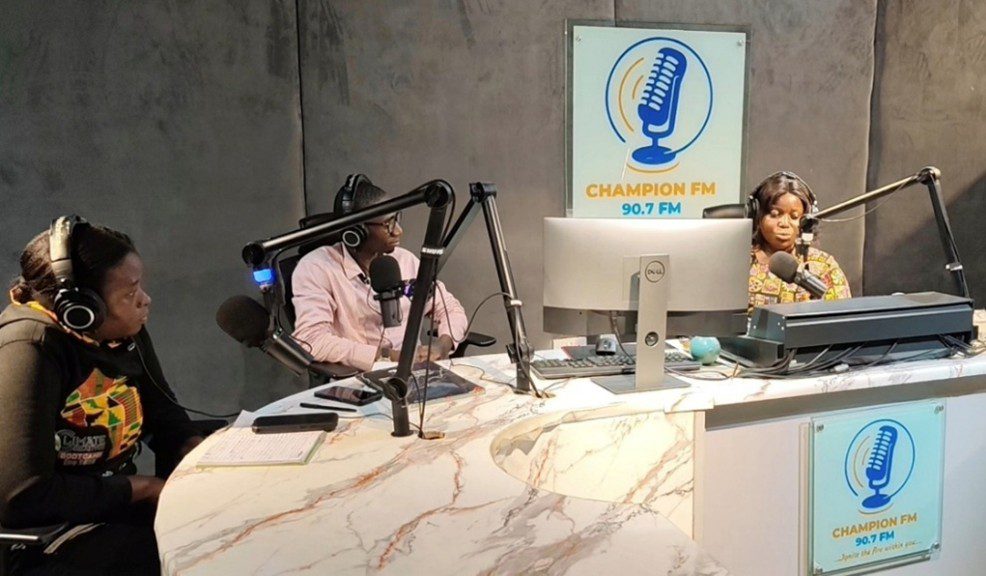
On Monday, August 3, 2026, Mariam Alo and Nurudeen Salako, WSCIJ Programme Officers, joined broadcast journalist Mariam Oke live on Champion 90.7 FM in Lagos to present the broad scope of our 2025 Journalism and Civic Space Status Report, Silenced Voices, Shrinking Space: Civic Freedoms Under Pressure.
Detailing systematic tracking of 245 verified infractions across 570 media reports, the discussion laid bare how state actors, led by the Nigeria Police Force, drove 89.4% of documented violations. Grounded in WSCIJ’s two-decade commitment to social justice through the Civic Space Guard project, the Officers emphasised that freedom of expression remains Nigeria’s most heavily infringed right and made an urgent call for collaborative stakeholder action to safeguard that right as the 2027 election campaigns approach.
WSCIJ Spotlights Press Freedom and Civic Space Challenges on Media Engagement with Radio Now
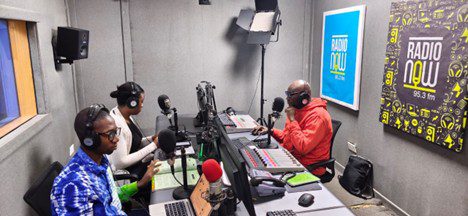
On Tuesday, 4 August 2026, Mariam Alo and Nurudeen Salako, WSCIJ Programme Officers, joined Abiodun Adelowore live on Radio Now 95.3 FM, to spotlight a critical evolution in civic suppression: the shift away from physical brutality toward administrative control. The discussion was aimed at analysing the findings and recommendations of the 2025 Journalism and Civic Space Status Report, Silenced Voices, Shrinking Space: Civic Freedoms Under Pressure.
While physical attacks remain a threat, the Centre’s analysis revealed that 59.2% of violations now involve non-violent administrative, legal, and institutional measures like arbitrary detentions and regulatory sanctions. Crucially, this repression has expanded far beyond newsrooms, directly affecting ordinary citizens in 54.3% of documented incidents. Through ongoing advocacy, the Centre has reinforced its core values of integrity and collaboration, urging the government, security and law enforcement agencies, media, and civil society to protect public discourse.
Taking Advocacy to Ilorin: WSCIJ Spotlights Institutional Violations and Cyber Regulations
Continuing the public engagements on the 2025 Journalism and Civic Space Status Report, Silenced Voices, Shrinking Space: Civic Freedoms Under Pressure, on Thursday, 6 August, 2026, Mariam Alo and Nurudeen Salako, Programme Officers WSCIJ, featured live on Albarka 89.9 FM in Ilorin, hosted by Dunsin Ojo to examine the systemic and legal pressures reshaping Nigeria’s civic space based on the 2025 Journalism and Civic Space Status Report.
Expanding the Centre’s outreach to regional media partners, the discussion zoomed in on how institutional actors leverage legal frameworks, arbitrary arrests, and regulatory enforcement stifling free expression. As part of WSCIJ’s broader Civic Space Guard initiative, we highlighted our ongoing provision of holistic safety training, spanning digital, legal, physical, and psychosocial support, to equip journalists and citizens against growing regulatory overreach, issuing a firm call for multi-sectoral defense of our democratic rights.
Journalism Today
Literacy in the Digital Age: Where Education and Journalism Meet
As the world marks International Literacy Day on 8 September 2026, the conversation around literacy is becoming increasingly relevant to Nigeria’s education future. This year’s 60th anniversary theme, “Literacy for people, the planet and prosperity,” provides an opportunity to reflect not only on the progress made in expanding literacy but also on what it means to be literate in a rapidly changing world.
For Nigeria, the future of education is no longer limited to getting children into classrooms or ensuring that they can read and write. It increasingly involves giving learners information, and the digital and critical-thinking skills needed to navigate a technology-driven world. Digital platforms, mobile devices, artificial intelligence, and other technologies are already changing how knowledge is accessed and shared, creating opportunities to reach learners beyond traditional classrooms.
Nigeria is making efforts to improve access and learning outcomes, including through technology-enabled education. But significant gaps remain. Unequal access to electricity, affordable internet, devices, digital learning resources and trained teachers means that technology could either help close Nigeria’s education gap or deepen existing inequalities. The challenge, therefore, is not simply to bring technology into classrooms but to ensure that it improves learning and reaches children who need it the most.
This changing education landscape also presents a clear role in journalism. Education reporting must go beyond announcing new government policies, school projects, or examination results. Journalists can investigate whether education funds are reaching schools, examine learning outcomes, track teacher shortages and infrastructure gaps, and give visibility to children and communities that are often left behind. Data and investigative journalism can provide the evidence needed to determine whether education reforms are delivering the promised results.
Journalism also has an increasingly important role in media and information literacy. In an age of artificial intelligence, misinformation, deepfakes and algorithm-driven content, being literate means more than being able to read. Young people must also be able to question information, identify credible sources, verify claims, and understand how the digital environment shapes what they see and believe. The United Nations Educational, Scientific and Cultural Organization, UNESCO, has similarly emphasised the need to rethink literacy in the digital era and strengthen media and information literacy.
Nigeria’s education future will ultimately depend on more than technology. It will require sustained investment in teachers, infrastructure, connectivity, inclusive learning, and accountable policies. For journalism, the responsibility is to follow the money, interrogate policies, amplify the voices of learners and teachers, expose inequality and report the evidence.
As International Literacy Day reminds us, literacy is not simply about learning to read; it is about expanding people’s ability to participate, prosper and shape their societies. For Nigeria, catching up with global education standards means preparing learners not just for today’s classroom, but for the opportunities and challenges of tomorrow.
The future of education is digital, but it must also be inclusive, equitable, and accountable. And journalism has a critical role to play in ensuring that no Nigerian learner is left behind.
Investigative Stories
When Insecurity Puts Education on Hold
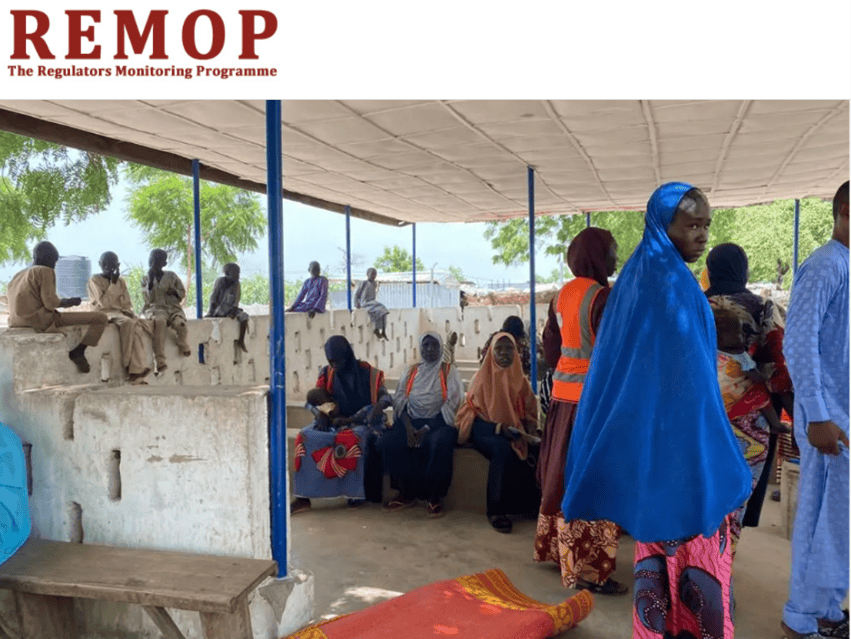
How does a nation uphold its citizens’ right to education when insecurity makes schools unsafe for both those who teach and those who learn? This REMOP investigation, supported by WSCIJ, examines how Nigeria’s worsening security crisis is placing schoolchildren and teachers at the centre of a wider failure to protect access to education.
Across communities affected by insecurity, children and teachers bear the consequences when attacks, threats, and displacement disrupt the education system. The investigation highlights how insecurity does more than close school gates: it interrupts learning, exposes children and education workers to danger, and deepens the inequalities facing communities that already have limited access to quality education. For many families, the decision to keep children away from school becomes a question not of choice, but of survival.
The story brings the human cost of Nigeria’s security failures into sharper focus, while raising questions about the responsibility of government to protect schools and ensure that insecurity does not permanently deprive children of their right to education. It also demonstrates the importance of accountability journalism that goes beyond reporting individual incidents to examine the systemic failures that allow insecurity to repeatedly disrupt lives and public services.
How Public Schools are Becoming Shadows of Themselves
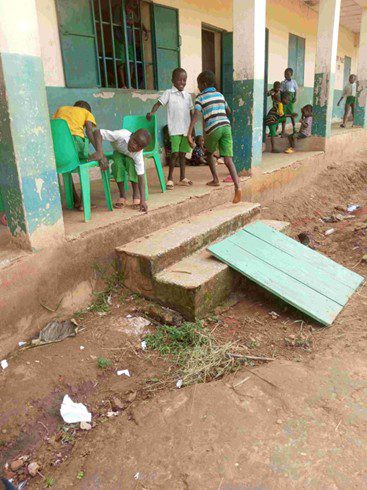
This investigation, supported by WSCIJ under the Collaborative Media Engagement for Development, Inclusivity and Accountability (CMEDIA) project, examines how years of neglect have undermined public primary education in Okpokwu Local Government Area of Benue State.
After visiting public primary schools across the LGA and engaging teachers, education officials, parents, and community members, the investigation found a system struggling with severe teacher shortages, several months accumulated salary arrears, deteriorating infrastructure, and declining enrolment. In some schools, a handful of teachers were left to manage several classes, while a number of classes had become virtually non-functional, with pupils forced to receive lessons in temporary spaces after school buildings fell into disrepair. The investigation also traced how prolonged strikes and poor teacher welfare had eroded parents’ confidence in public schools, driving many families towards costlier private alternatives.
The findings reveal how accountability failures in one part of the public sector can create consequences that extend far beyond infrastructure. When governments fail to recruit and replace teachers, pay workers promptly, monitor schools, and respond to repeated warnings from communities, the burden is ultimately transferred to children, teachers, and families.
Voices from the Field
Juliana Francis
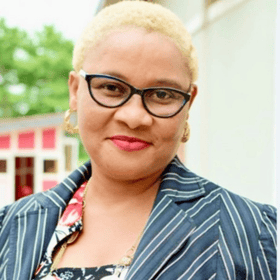
Juliana Francis has built a strong body of reporting around stories that often sit at the intersection of vulnerability, public accountability, and human rights. Through WSCIJ’s Regulators Monitoring Programme (REMOP), she investigated the devastating consequences of mass abductions in schools across Northern Nigeria, examining not only the experiences of abducted students and their families but also the failure of existing laws and policies to guarantee safe learning environments.
In “Mass Abductions: Leaving a Trail of Fear, Tears and Blood,” Juliana documented the experiences of students abducted from schools in Zamfara and Kaduna, revealing how insecurity was forcing children, particularly girls out of education. Her investigation showed the human cost of unsafe schools: traumatised students refusing to return, parents losing confidence in the education system, school closures and, in some cases, families considering early marriage as an alternative to sending their daughters back to school.
As a first female single entrant to win the WSCIJ Investigative Journalist of the Year award in 2014 and a 2022 winner of the award in the Print Category, Juliana’s reporting is particularly relevant to the International Day to Protect Education from Attack, as it demonstrates how attacks on schools can have consequences long after an incident has occurred. As the publisher of Security News Alert, Juliana continues to publish stories that promote a fairer and more equitable society.
Joel Kachi Benson

Joel ‘Kachi’ Benson is a Nigerian documentary filmmaker and virtual reality storyteller whose work explores social issues through immersive visual storytelling. In 2019, he created Daughters of Chibok, an 11-minute virtual reality documentary centered on Yana Galang, whose daughter Rifkatu was among the 276 schoolgirls abducted by Boko Haram from Chibok in 2014. Through Yana’s experience, the film examines the continuing consequences of the abduction, while drawing attention to the rights of girls to education and the resilience of the Chibok community.
Rather than simply recounting the Chibok abduction, Benson used virtual reality to place audiences inside the emotional reality of those left behind. The film takes viewers into Chibok and into the life of a mother still waiting for her daughter to come home, transforming a widely reported national tragedy into an intimate human story. Its immersive approach earned Benson the Lion Award for Best Immersive Story at the 2019 Venice International Film Festival, making him the first African winner in the category.
For a month centered on International Literacy Day and the International Day to Protect Education from Attack, Joel’s work offers a powerful reminder that an attack on education is also an attack on a child’s future, a family’s hopes and a community’s ability to prosper. Daughters of Chibok preserves the voices and experiences behind one of Nigeria’s most devastating attacks on education, ensuring that the girls and the mothers who continue to wait for them are not reduced to a forgotten headline.
AI in Investigative Journalism

AI OSINT Tool of the Month: Taranis AI
Taranis AI is an open-source intelligence platform that uses AI to collect, monitor, and analyse information from public sources. It helps journalists identify relevant stories, people, organisations, trends, and emerging topics.
How to Use It
- Add relevant OSINT sources such as websites and RSS feeds.
- Set keywords to monitor specific topics.
- Collect information from the selected sources.
- Use AI to identify entities, group related stories, and generate summaries.
- Review and verify the findings before using them in a report.
Taranis AI helps journalists monitor large amounts of information faster and identify useful leads for investigations.