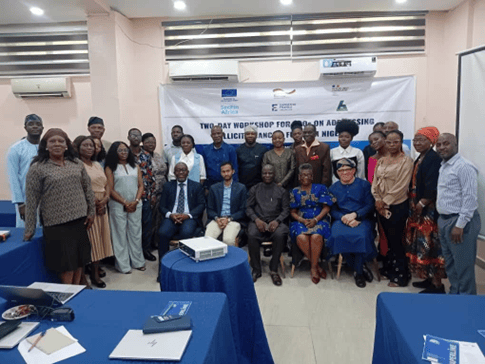
The Wole Soyinka Centre for Investigative Journalism (WSCIJ) participated in a two-day capacity-building workshop organised by the Africa Network for Environment and Economic Justice (ANEEJ) to equip civil society organisations (CSOs) and media practitioners with the knowledge and tools to combat illicit financial flows (IFFs) in Nigeria. The workshop brought together key accountability actors to explore practical strategies for promoting transparency, strengthening oversight, and advancing anti-corruption efforts.
The workshop, themed “Strengthening CSOs and Media Capacity to Contribute to the Fight Against Illicit Financial Flows (IFFs) in Nigeria,” was held under the SecFin Africa Project, co-funded by the European Union. It took place in Lagos from Tuesday, 21 July to Wednesday, 22 July 2026, and featured technical sessions on Nigeria’s legal and institutional frameworks, data-driven accountability, evidence-based advocacy, and the role of civil society and the media in addressing illicit financial flows.
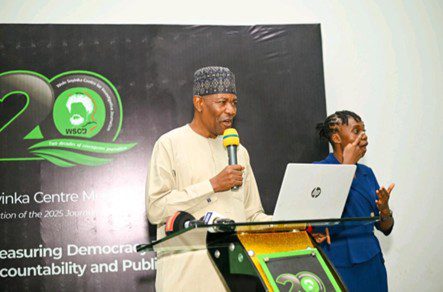
Speaking at the workshop, the Executive Director of ANEEJ, David Ugolor, described illicit financial flows as one of the greatest threats to Nigeria’s economic development, democratic governance, and social progress. He noted that despite the efforts of anti-corruption institutions such as the Economic and Financial Crimes Commission (EFCC), the Independent Corrupt Practices and Other Related Offences Commission (ICPC), and the Nigerian Financial Intelligence Unit (NFIU), illicit financial flows continue to undermine national development. According to him, stronger public accountability, active citizen participation, and effective oversight are essential to addressing the challenge.
Ugolor therefore urged civil society organisations, citizens, and the media to intensify public awareness, monitor public expenditure, advocate policy reforms, demand accountability, and amplify the voices of communities affected by corruption, poor governance, and weak public institutions.
Representing the SecFin Africa Project and serving as one of the facilitators, Professor Abdullahi Shehu provided participants with an overview of the concepts, typologies, and developmental impacts of illicit financial flows. He encouraged participants to play more active roles in tackling the menace through advocacy, monitoring, and collaborative action.
He further highlighted how illicit financial flows deprive critical sectors such as healthcare, education, road infrastructure, and other public services of much-needed resources, stressing that collective action remains essential to reversing the trend.
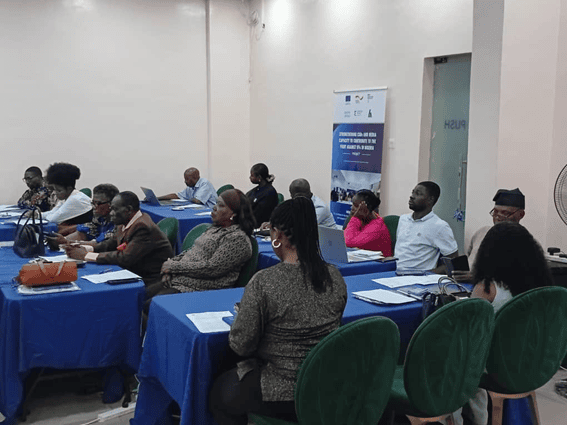
Another facilitator, Aliyu Mohammed, a former Director at the EFCC, examined Nigeria’s legal and institutional framework for combating illicit financial flows. His presentation provided an in-depth analysis of the strengths and limitations of existing laws and institutions, helping participants better understand the country’s anti-IFF architecture and areas requiring reform.
Similarly, Chinedum Odenyi, representing the Nigerian Financial Intelligence Unit (NFIU), discussed the statutory mandate of the agency and identified entry points through which civil society organisations can contribute to anti-money laundering efforts and the fight against illicit financial flows.
The second day of the workshop focused on data access and utilisation for accountability and evidence-based advocacy, as well as the strategic role of civil society organisations in combating illicit financial flows.
During the session, Adejoke Akinbode, Head of Research and Policy Advisory at the BudgIT Foundation, introduced participants to practical tools and publicly available data platforms that support transparency and accountability. These included the Nigeria Open Contracting Portal (NOCOPO), procurement data platforms, beneficial ownership registers, and audit reports, which can be leveraged by civil society organisations and journalists to track public spending, investigate financial misconduct, and demand accountability.
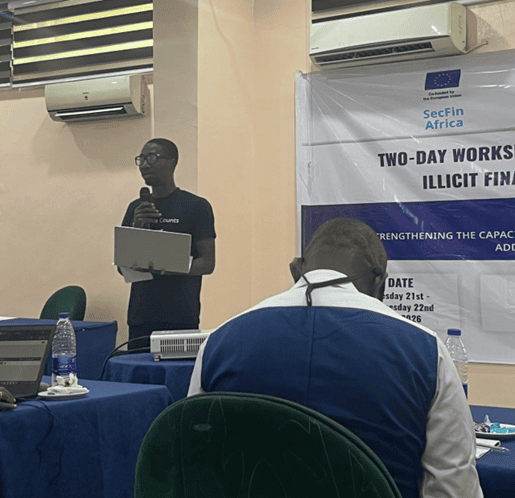
The workshop concluded with practical group exercises, allowing participants to apply the knowledge gained throughout the training to real-life scenarios involving illicit financial flows. Participants also developed actionable plans to strengthen collaboration and sustain advocacy efforts against illicit financial flows and money laundering beyond the workshop.
Across seven technical sessions delivered over the two days, participants acquired practical knowledge and tools on understanding illicit financial flows, Nigeria’s legal and institutional frameworks, accountability mechanisms, strategic advocacy, and the effective use of data for anti-corruption initiatives.
For the Wole Soyinka Centre for Investigative Journalism, participation in the workshop reinforces the Centre’s commitment to advancing investigative journalism as a tool for exposing corruption, uncovering illicit financial flows, and promoting transparency, accountability, and good governance in Nigeria.