Despite decades of reforms and sustained media scrutiny, Nigeria’s electricity sector continues to grapple with deep structural and accountability challenges, raising concerns about who is responsible for persistent blackouts and whether journalism is doing enough to drive change.
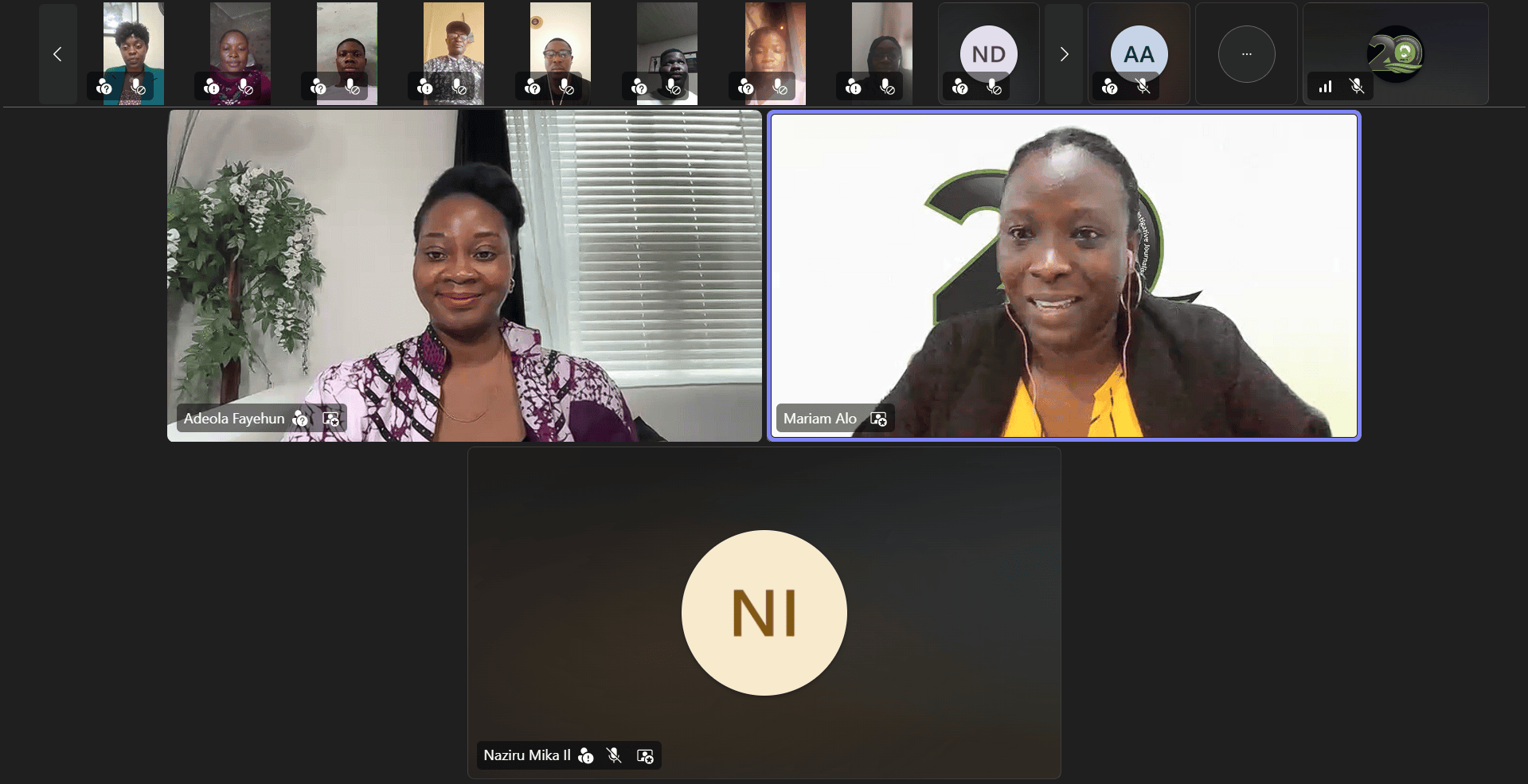
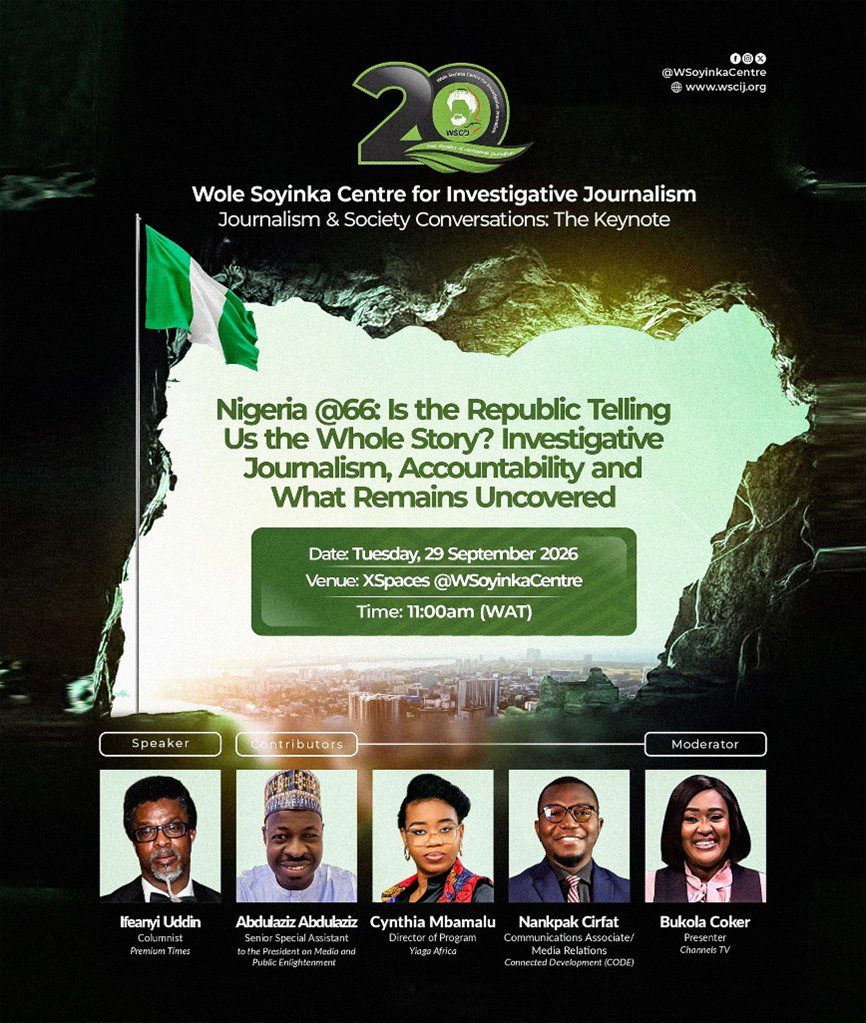
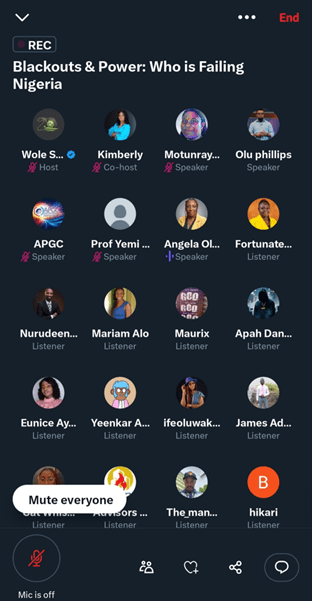
Findings from the Status Report on Electricity in Nigeria (2017) by the Wole Soyinka Centre for Investigative Journalism (WSCIJ), alongside subsequent media monitoring reports, have consistently highlighted systemic inefficiencies across the power value chain, from generation to distribution. These long-standing gaps framed the focus for WSCIJ’s April 2026 edition of Journalism & Society Conversations, held on X Spaces, which interrogated the theme: ‘Blackouts and Power: Who is Failing Nigeria and What Journalism is Exposing.’
Moderated by Kimberly Nwachukwu, Head of Programs at Real Broadcasting Network (Real 99.3FM), the conversation brought together energy experts, journalists, and industry stakeholders to examine the persistent challenges in the sector and the role of journalism in advancing accountability.
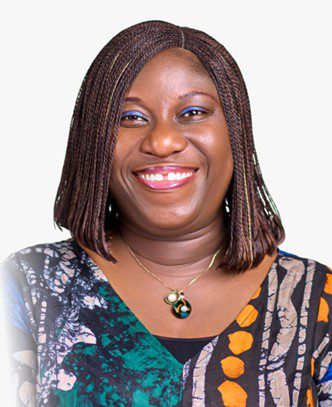
In her opening remarks, Motunrayo Alaka, Executive Director and Chief Executive Officer of WSCIJ, emphasised the urgency of sustained reporting on the power sector. She noted that meaningful progress depends on continuous scrutiny. “We need to keep reporting until something happens. We need answers; otherwise, our development will remain stagnant,” she said.
Providing insight into the financial crisis in the sector, Joy Ogaji, Chief Executive Officer of the Association of Power Generation Companies, described the growing debt owed to Generation Companies (GenCos) as a “moving figure.” According to her, the debt rose from ₦2.3 trillion in January to ₦2.8 trillion in February and ₦3.3 trillion in March 2026, with figures continuing to fluctuate.
Ogaji explained that the electricity market operates through a structured but strained system involving GenCos, Distribution Companies (DisCos), and key institutions such as the Nigerian Bulk Electricity Trading Plc (NBET) and the Nigerian Independent System Operator (NISO). She noted that monthly energy generation and supply are measured through metering systems, after which preliminary and final settlement statements are prepared to determine payments across the value chain.
However, she pointed out that NBET is often unable to fully settle invoices, with only about 35 per cent of GenCos’ payments being met. This shortfall, she said, reflects a broader issue of non-cost-reflective tariffs and weak financial transparency. “As long as electricity continues to be politicised, the flow of money in the sector will remain incomplete,” she stated, calling for greater transparency, including publicly verifiable financial data.
On systemic accountability, Ogaji questioned the effectiveness of oversight by the National Economic Council (NEC), noting that performance monitoring mechanisms are not consistently implemented. She attributed many of the sector’s challenges to leadership and coordination gaps.
Speaking from the distribution perspective, Angela Olanrewaju, Coordinating Head of Corporate Services at Ibadan Electricity Distribution Company (IBEDC), identified limited generation capacity and infrastructure challenges as major constraints. She explained that although Nigeria has an installed generation capacity of about 13,000 megawatts, only about 5,400 megawatts is typically available, with recent drops to around 3,000 megawatts, far below the estimated national demand of 35,000 megawatts.
Olanrewaju noted that frequent outages are often linked to aging infrastructure, gas supply constraints, and system fragility. She also clarified technical concepts such as “load rejection,” explaining that distribution companies sometimes reject power when it cannot be safely distributed due to infrastructure limitations or low demand in certain locations.
“The distribution companies are the most visible part of the value chain because they interface directly with consumers, but the challenges cut across the entire system,” she said, adding that accountability must be enforced at all levels.
From a media perspective, Olu Phillips, Senior Correspondent at Channels Television and Head of the Energy Desk, described Nigeria’s progress in the power sector as “more motion than movement.” Drawing from years of reporting, he noted that despite repeated policy frameworks such as the Multi-Year Tariff Order (MYTO), implementation has often been disrupted by political interference.
Phillips also highlighted the need for more in-depth journalism, urging reporters to move beyond quoting officials to interrogating claims and understanding technical aspects of the sector. “Journalists must go the extra mile. If you do not understand the sector, you cannot effectively hold it accountable,” he said.
Contributing to the discussion through a submitted note, Kunle Ajayi, Photo Editor at Independent Newspapers, questioned the extent of progress made in the sector over time, asking what has fundamentally changed between 2018 and the present.
In her closing note, Alaka noted that limited technical understanding and close relationships between some reporters and industry actors can affect the depth of coverage. She also pointed to the underrepresentation of women on the energy beat, stressing that diverse perspectives are essential for comprehensive reporting.
The conversation underscored the need for sustained investigative journalism, stronger institutional accountability, and improved public understanding of the power sector. Speakers agreed that addressing Nigeria’s electricity crisis requires not only technical and financial reforms but also consistent pressure from the media to ensure transparency and drive change.
The Journalism & Society Conversations is an initiative of the Wole Soyinka Centre for Investigative Journalism (WSCIJ) that provides a platform for examining critical issues shaping journalism and democratic accountability in Nigeria, convening journalists, media leaders, and key stakeholders to interrogate challenges and advance practical solutions within the media landscape.