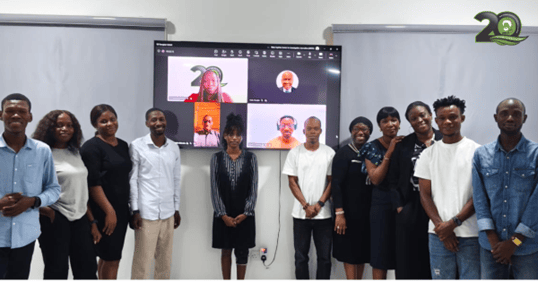
Following an impactful first half of the year defined by strategic engagements, capacity-building initiatives, and programmes, the Wole Soyinka Centre for Investigative Journalism (WSCIJ) held its third-quarter staff retreat on Wednesday, 29 July 2026.
The one-day retreat provided a platform for the Centre to review organisational performance across departments for the first half of 2026, align strategic priorities, and reinforce a culture of internal accountability, teamwork, and operational excellence for the second half of the year.
Opening the session, Motunrayo Alaka, Executive Director/Chief Executive Officer (CEO), emphasised the critical need to build resilient institutional systems and processes to sustain WSCIJ’s long-term vision. Marking a key expansion milestone, she introduced new team members appointed to establish the Centre’s presence in Abuja ahead of opening a physical office in the Federal Capital Territory: Adeolu Adekola, Senior Advisor (Programmes, Development, and Partnerships); Osita Nwajah, Senior Advisor (Strategy, Knowledge, and Programmes Quality); and Faith Yahaya, Journalism Specialist.
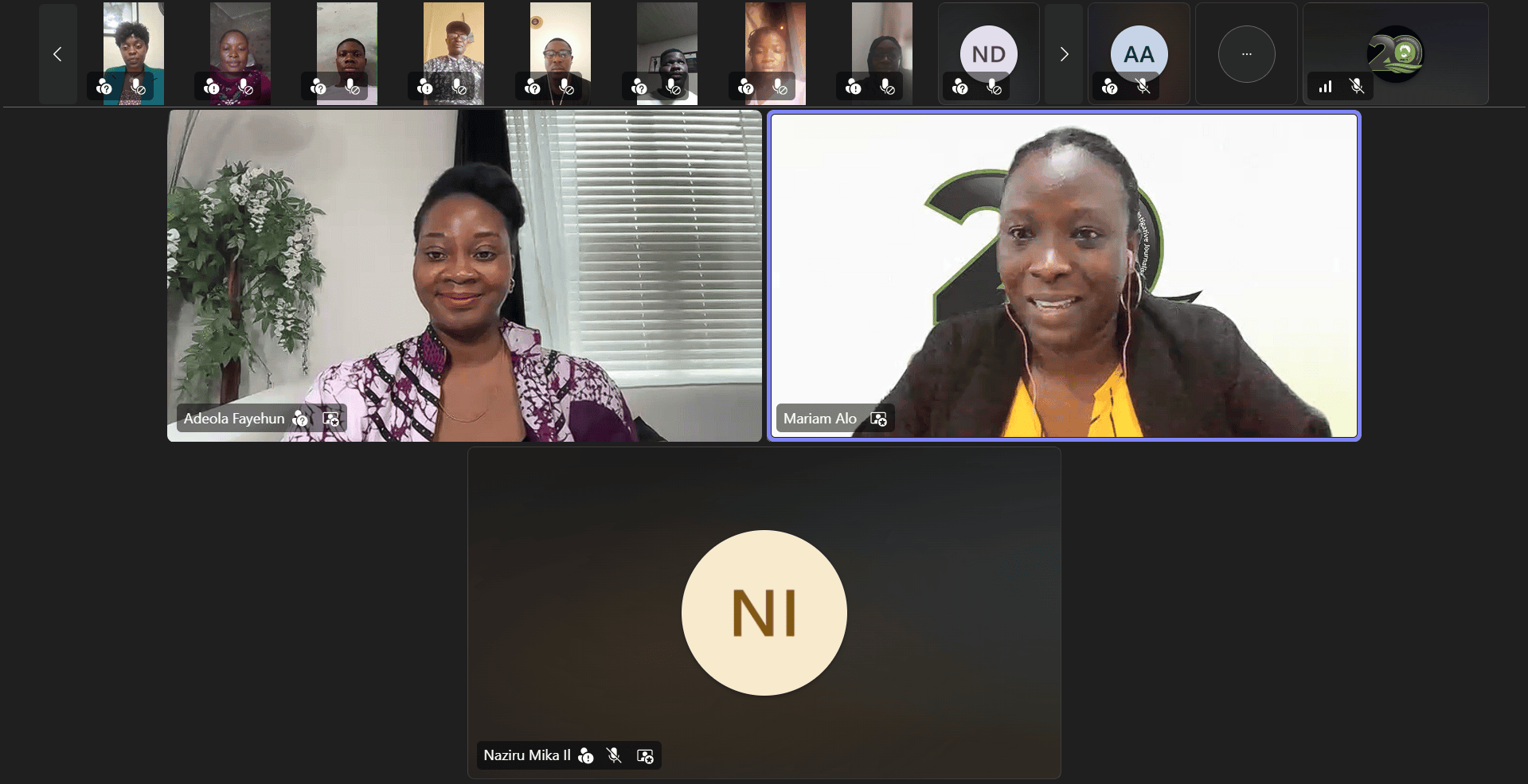
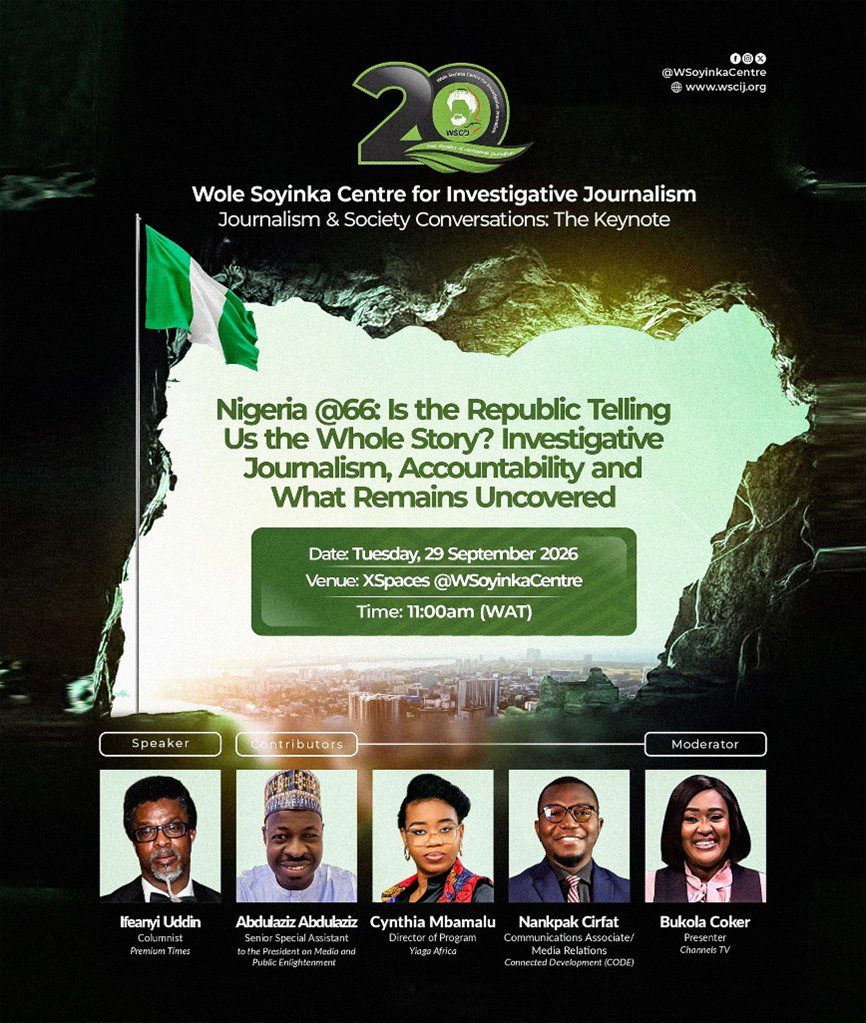
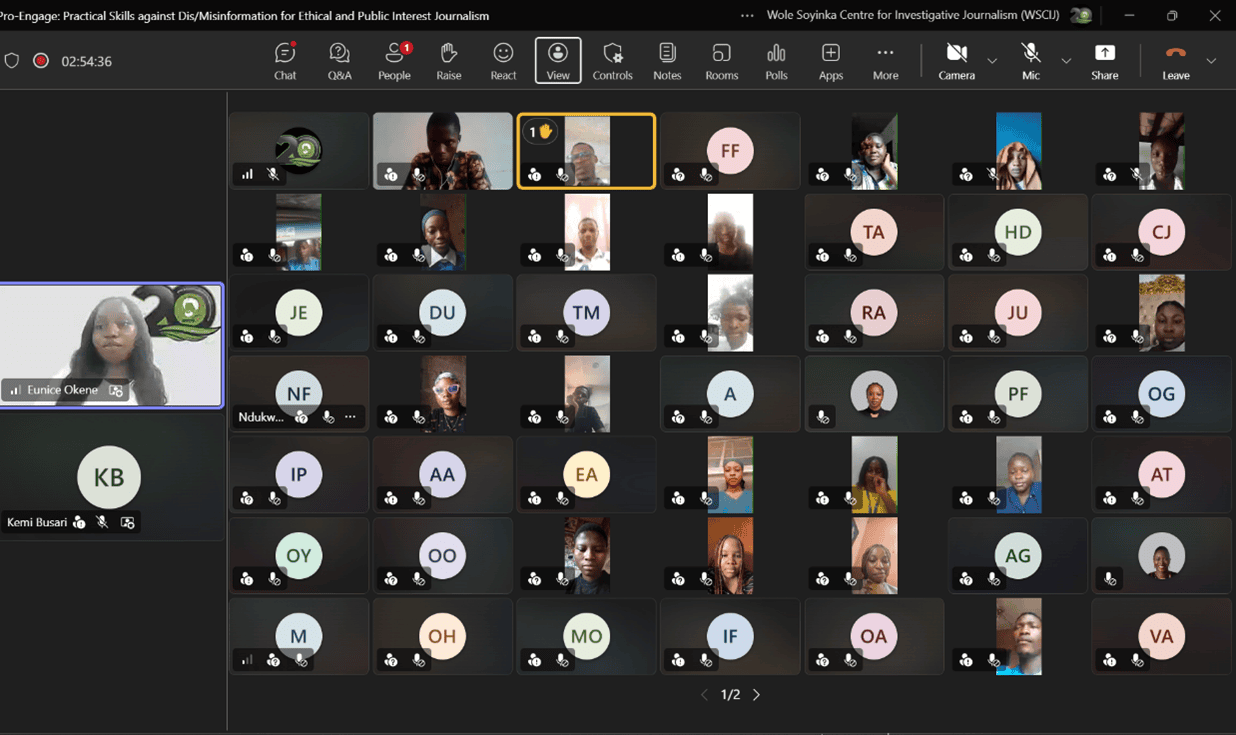
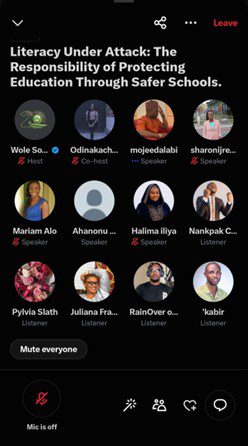
During the retreat, departmental presentations highlighted major achievements from the first half of the year. Mariam Alo, Programmes Officer reported that the Centre reached 5,240 participants across its initiatives, including the Holistic Safety Workshop and Mental Health Training, under the Centre’s Civic Space Guard Programme, Collaborative Media Engagement for Development, Inclusivity and Accountability (CMEDIA) project, Journalism and Society Conversations, Pro-Engage, the launch of the 2025 Journalism and Civic Space Status Report, and the 18th Annual Media Lecture. Through targeted capacity-building workshops like the CMEDIA “RUSH with AI” training and other trainings, WSCIJ expanded its global footprint, engaging participants across all 36 Nigerian states, the Federal Capital Territory, and 15 other countries across Africa and Asia.
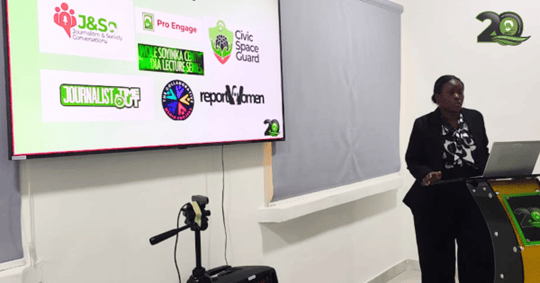
Hope Nwadiwe, Administrative Officer highlighted key corporate social responsibility accomplishments, notably WSCIJ’s support and honour of literary critic Biodun Jeyifo and the presentation of the Human Rights Defenders Award to retired Justice Ayo Salami. These were complemented by internal operational strides across other departments, including technical upgrades to strengthen digital security, full compliance with statutory financial auditing standards, and enhanced staff welfare and equipment provision to drive organisational excellence into second half.
Underlining the core theme of individual and collective responsibility, Osita Nwajah charged the team to uphold the highest standards of internal accountability, professional ethics, and mutual support. “What we demand of Nigeria is accountability; hence, the team must be accountable in-house,” Nwajah noted, reminding staff that active collaboration and stepping in to bridge operational gaps are vital to fulfilling the Centre’s mandate.
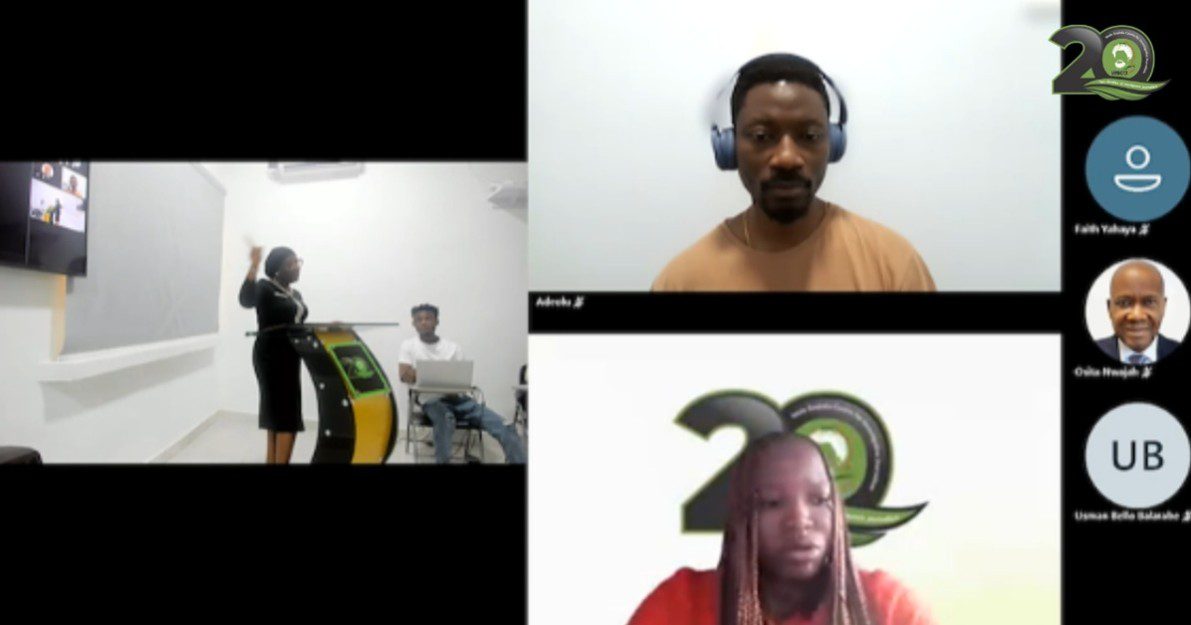
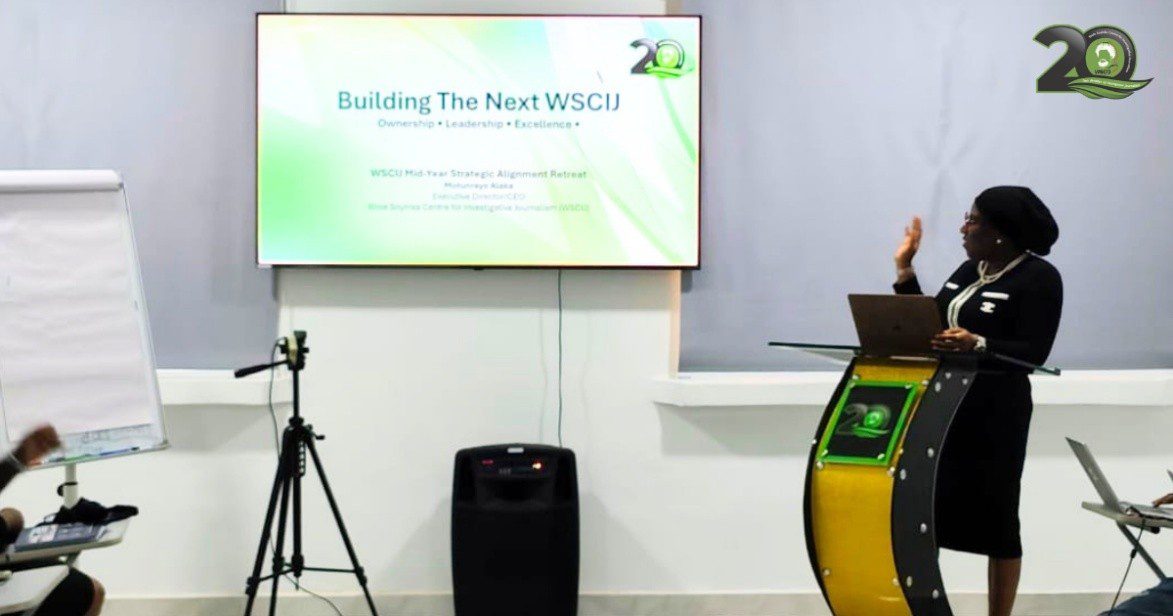
In her presentation on strategic alignment, titled Building the Next WSCIJ, Motunrayo reflected on the Centre’s institutional growth from running just two flagship initiatives in 2008 to managing a multi-tiered, nationwide portfolio. She urged staff to shift focus from departmental task completion to taking full ownership of outcomes, driving innovation, and building an enduring institution.
As WSCIJ progresses into the second half of 2026, the Centre remains committed to deepening media independence, advancing investigative reporting, and strengthening democracy through rigorous, accountability-driven journalism.
Overall, the retreat served to strengthen and reaffirm the vision, mission, and core values of WSCIJ, which are Integrity, Collaboration, and Excellence By deploying the tools of investigative and accountability journalism to expose corruption, regulatory failures, and human rights violations through capacity development, research, advocacy, and stakeholder collaboration, WSCIJ remains steadfastly committed to its vision of a just, inclusive, transparent, and accountable Nigeria, stimulated by an ethical and sustainable media.