The Wole Soyinka Centre for Investigative Journalism (WSCIJ) calls for an immediate investigation and redress over sustained attacks on journalist, expressing deep concern over the continued pattern of assault, brutality, harassment, and obstruction faced by journalists in Nigeria, an issue that has evolved into a recurring cycle of abuse rather than isolated incidents.
The recent assault on Mohammed Adamu of Albarka Radio, who was attacked by police officers while covering Eid celebrations in Bauchi State, represents yet another entry in a growing list of violations against media practitioners in the course of their duty.
This incident did not occur in isolation.
Earlier in March 2026, Sahara Reporters and Daily Post reported that Musa Mikail, a senior reporter with the Nigerian Television Authority (NTA), was assaulted while covering a public religious event at the palace of the Etsu Nupe in Bida, Niger State. Reports by PUNCH Newspaper and Premium Times indicate that in Abuja, journalists and other attendees were teargassed by security operatives during the All Progressives Congress (APC) National Convention last week, disrupting coverage and raising further concerns about the treatment of the press at political and civic gatherings.
Taken together, these incidents reinforce a troubling and consistent pattern: the exposure of journalists to violence and intimidation in spaces where public accountability should be protected, not suppressed.
Findings from WSCIJ’s 2024 Journalism and Civic Space Guard report – Shrinking Freedoms, reveal that out of 103 documented incidents, 81 involved state actors, making them the leading perpetrators of attacks against journalists in Nigeria. This pattern has remained consistent over time, particularly in contexts involving public events, political activities, and civic engagements.
Similarly, the 2024 Centre for Journalism Innovation and Development (CJID) Openness Index places Nigeria at an average score of 50.51%, classifying it as only an ‘average enabler’ of press freedom. The index also identifies security forces as a major inhibitor, with at least 48 violations against journalists recorded within a one-year period. This reality is further reflected in related findings, including Media Rights Agenda’s 2025 report, ‘The Reign of Impunity’, which documented 86 attacks and violations against journalists and citizens, with state security actors repeatedly implicated in incidents of abuse and obstruction.
This concern is consistent with WSCIJ’s earlier position at the beginning of the current administration, when the Centre publicly raised questions about the protection of press freedom and called for clear safeguards for journalists. It also comes against the backdrop of recent public assurances by the President reaffirming commitment to the rights and safety of the press. However, the persistence of attacks on journalists continues to raise urgent questions about the gap between commitments and lived realities.
The Nigerian constitution empowers journalists to play a critical role in strengthening accountability, transparency, and democratic governance. When they are assaulted, obstructed, or intimidated, it is not only their safety that is undermined, but also the public’s right to access information.
WSCIJ therefore calls for immediate, transparent, and independent investigations into all reported incidents, as well as accountability for all individuals and institutions found responsible, regardless of rank or affiliation. It further urges strengthened protective measures for journalists, particularly in public and political spaces, alongside a renewed commitment by security agencies and event organisers to uphold press freedom and ensure the safety of media practitioners.
WSCIJ reiterates that the repeated incidents are hardly a series of isolated incidents, they are a sustained pattern of brutality that demands urgent and systemic attention.
Signed
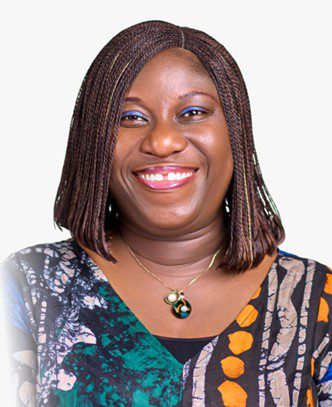
Motunrayo Alaka
Executive Director/Chief Executive Officer
Wole Soyinka Centre for Investigative Journalism (WSCIJ)