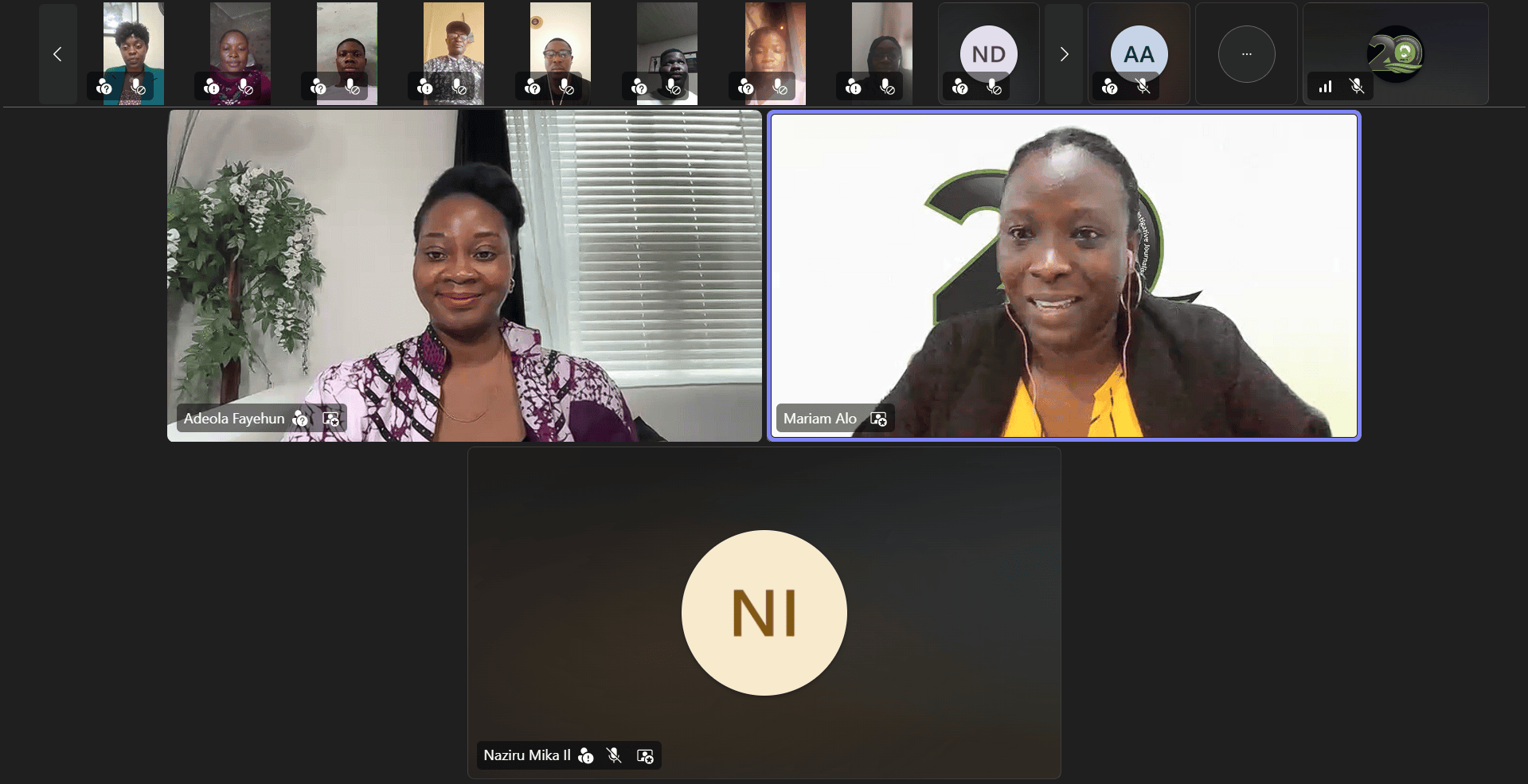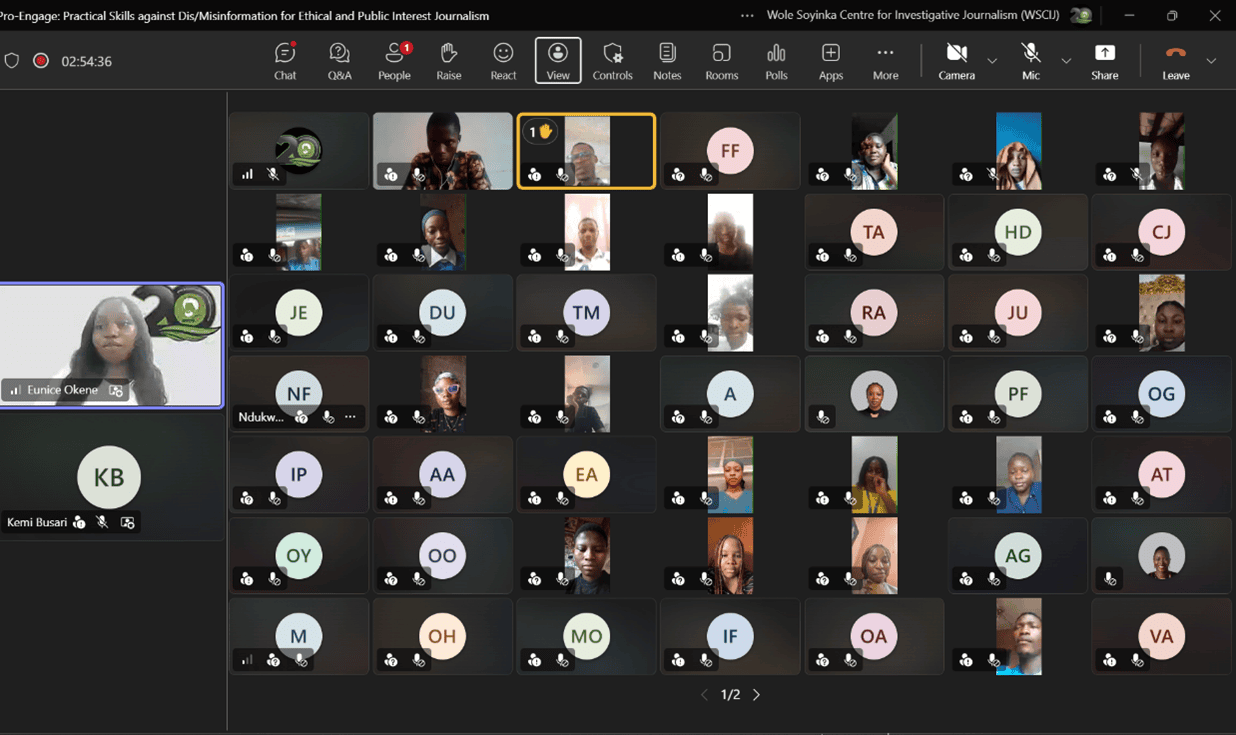
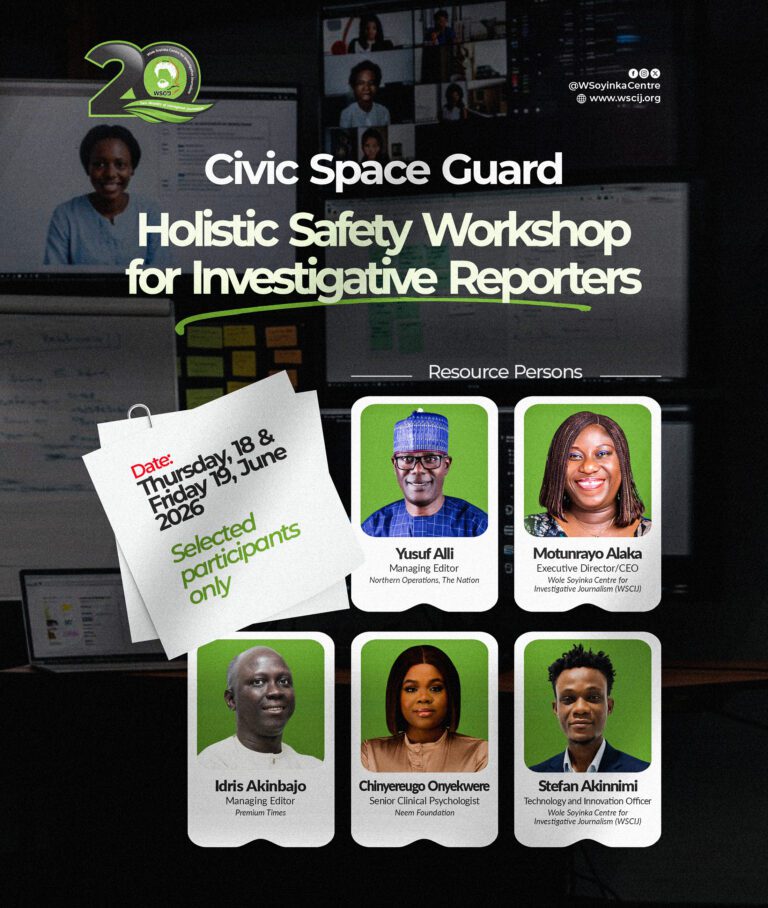
Investigative reporters have been urged to adopt a holistic approach to safety amid growing physical, digital, legal, and psychological risks during a two-day virtual Civic Space Guard Holistic Safety Workshop for Investigative Reporters, organised by the Wole Soyinka Centre for Investigative Journalism (WSCIJ) on Thursday 18–Friday 19 June 2026.
The masterclass convened 20 investigative reporters from across Nigeria and explored the multiple dimensions of journalist safety, equipping participants with practical tools, strategies, and knowledge to better manage risks while carrying out accountability-driven reporting. The workshop forms part of WSCIJ’s Civic Space Guard initiative, launched in 2021 and sustained through similar trainings in 2024 and 2025 to strengthen journalist safety and resilience in investigative reporting.
In her opening session, ‘Building Awareness for Holistic Safety as an Investigative Journalist,’ Motunrayo Alaka, Executive Director/CEO, WSCIJ, outlined the foundations of sustainable journalism, stressing that ethics, professionalism, financial independence, innovation, and safety remain critical pillars of practice. Journalist safety is multi-dimensional, spanning physical threats, digital vulnerabilities, psychological strain, and organisational gaps, all of which require intentional and layered safeguards.
“Consequential journalism carries inherent risks,” she said, adding that journalists must remain intentional about their safety and wellbeing while carrying out their work. “Journalists are guards of the civic space,” she said. “Protecting them is essential to protecting democracy and good governance.”
Building on this, Idris Akinbajo, Managing Editor at Premium Times, led a session titled ‘The Journalist’s Safety Playbook: Staying Safe on the Field,’ where he focused on physical safety for reporters working in high-risk environments. He encouraged journalists to apply the 5Ws and H framework – Who, What, Where, When, and How – not only in newswriting, but as a structured tool for planning and assessing safety risks in field reporting. This includes identifying who may pose threats or provide protection, what harm could be done to journalists or their tools, where attacks are likely to occur, when risks may emerge, why journalists or their equipment may be targeted, and how such risks can be mitigated.
He stressed that safety must be embedded from the very beginning of the reporting process, noting that “safety begins at the story pitch stage.” Outlining a four-step planning cycle that includes identifying assets and threats, conducting risk assessments, developing mitigation strategies, and maintaining situational awareness, he emphasised the importance of continuous communication with trusted colleagues throughout the reporting process. Akinbajo also warned that journalists cannot afford to overlook digital exposure, particularly in an increasingly monitored information environment.
Legal and ethical safety formed another core area of the training. Yusuf Alli, Managing Editor, Northern Operations at The Nation, stressed that investigative journalism must be grounded in fairness, balance, and defensibility. In his session titled “Can You Defend This Story? Legal Safety for Investigative Journalists,” Alli noted that every story must be “clear, correct, and complete,” warning that ethical lapses, weak editing, or factual gaps undermine both credibility and legal protection. He further emphasised that understanding the law is essential to avoiding defamation, privacy breaches, and other legal pitfalls.
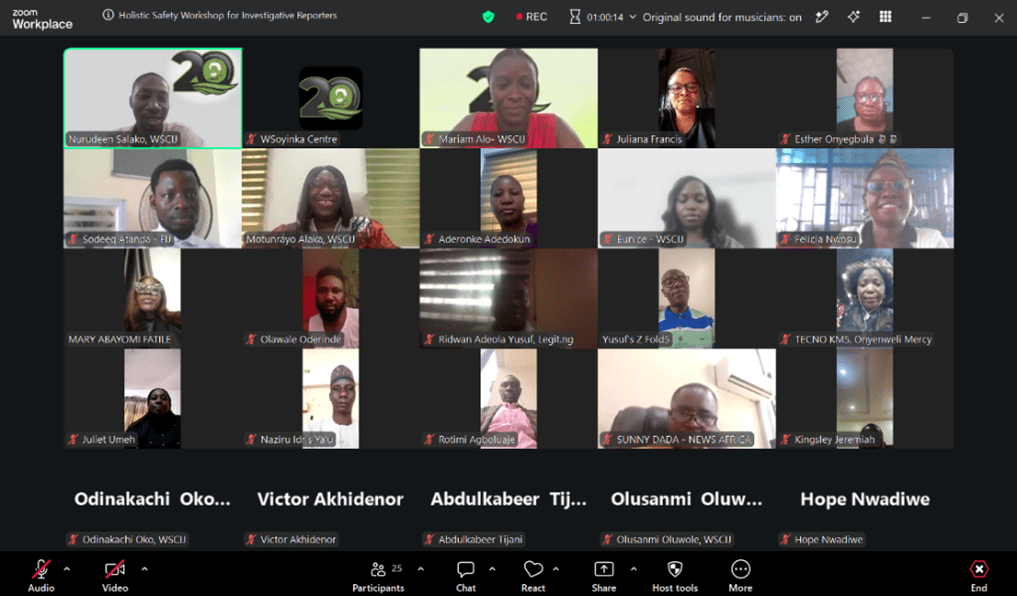
On the second day, Digital security was examined through practical demonstrations led by Stefan Akinnimi, Technology & Innovation Officer at WSCIJ, who illustrated how everyday actions, such as clicking a seemingly legitimate job recruitment link, can result in full device compromise. Speaking on ‘Reporting Under Surveillance: Digital Security for Investigative Journalists’, he explained that digital security is not dependent on a single tool, but on layered practices that combine awareness, habits, and protective measures to reduce risk in an increasingly monitored digital environment.
He urged participants to adopt a cautious mindset online, noting: “Think twice before clicking any link.” On key safety practices, he highlighted the importance of avoiding public Wi-Fi, verifying sources before engagement, using strong and unique passwords across accounts, and enabling multi-factor authentication through tools such as Google Authenticator and Microsoft Authenticator. Akinnimi also encouraged regular software updates, secure data backups, and the use of online tools such as VirusTotal for scanning suspicious links or files, and ‘Have I Been Pwned’ to check whether email accounts have been exposed in data breaches.
The psychological cost of investigative journalism was also brought to the forefront by Chinyereugo Onyekwere, Senior Clinical Psychologist, NEEM Foundation, who noted that journalists are constantly exposed to emotional strain that can accumulate over time. She explained that resilience is not universal but personal, shaped by what works for each individual, including rest, boundaries, support systems, and intentional recovery practice.
Onyekwere in her session, ‘The Cost of the Story: Building Psychological Resilience’, further emphasised that the critical question is not only what journalists experience, but what keeps them going, urging practitioners to prioritise self-care as part of professional sustainability in high-pressure reporting environments.
Across the sessions, speakers repeatedly returned to a central theme: investigative journalism today operates in an environment of overlapping risks, physical, digital, legal, and psychological, that require deliberate and continuous safety practices. They reinforced that investigative journalism cannot thrive without intentional systems of protection. Safety, they noted, is not separate from journalism; it is the condition that makes journalism possible.
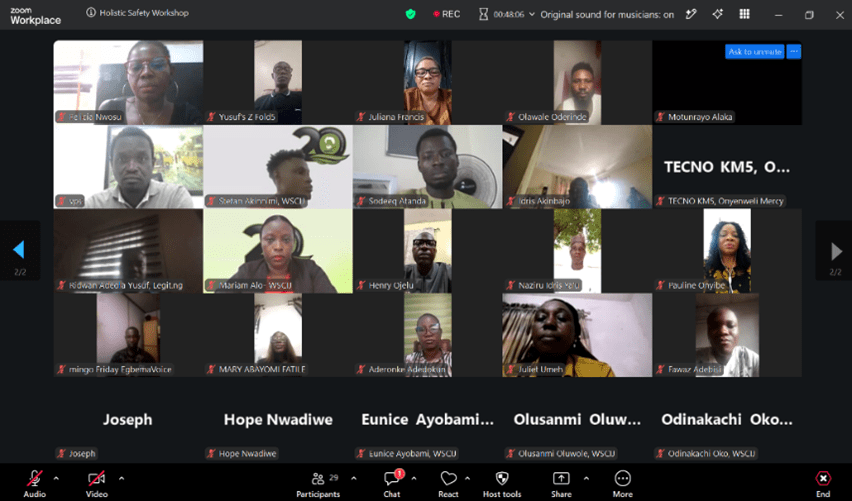
During the closing interactive session, participants shared the lessons that resonated most with them and how they intend to apply them in their work. Sodeeq Atanda of the Foundation for Investigative Journalism (FIJ) highlighted the importance of deepening his understanding of the Freedom of Information Act, while Felicia Nwosu of Marketing Edge Magazine reflected on the practical safety considerations she would adopt when embarking on assignments. Participants also expressed appreciation to WSCIJ and committed to stepping down the training to colleagues within their respective newsrooms and professional networks
Signed,
WSCIJ Team