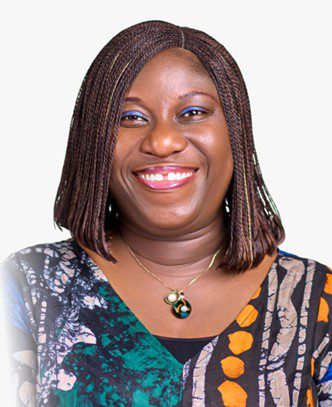
Motunrayo Alaka, Executive Director/CEO of the Wole Soyinka Centre for Investigative Journalism (WSCIJ), has called for renewed commitment to press freedom, media sustainability and the safety of journalists as critical pillars for strengthening democracy.
Motunrayo made the call while delivering the keynote address titled “Journalism, Democracy and the Future: Rebuilding a Free, Healthy and Vibrant Media Space” at the 9th Ngozi Agbo Media Lecture and Summit organised by the University of Lagos (UNILAG) Press Club.
Speaking on the theme, “Press Freedom in Retreat: Rebuilding a Free, Healthy and Vibrant Media Space,” she highlighted growing threats to journalism globally and in Nigeria, including attacks on journalists, shrinking civic space, digital surveillance, misinformation and economic pressures on independent media.
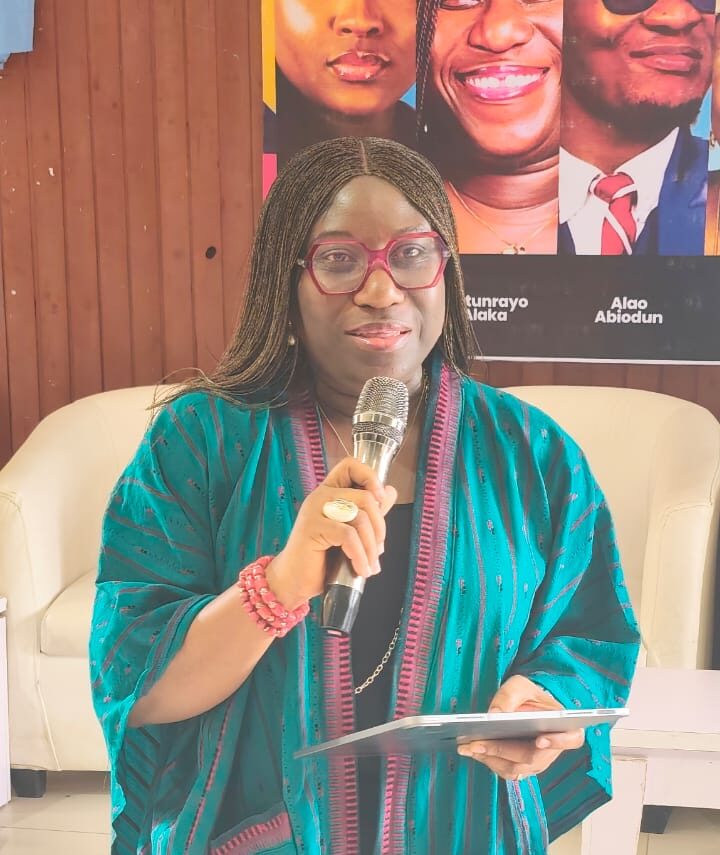
Drawing on findings from WSCIJ’s 2024 Journalism and Civic Space Status Report, Alaka noted that journalists remain among the most targeted groups in civic space violations, warning that attacks on the media weaken accountability and democratic governance.
Despite the challenges, she expressed optimism about the future of journalism, citing advances in investigative reporting, data journalism, fact-checking, cross-border collaboration and the increasing use of technology to strengthen accountability.
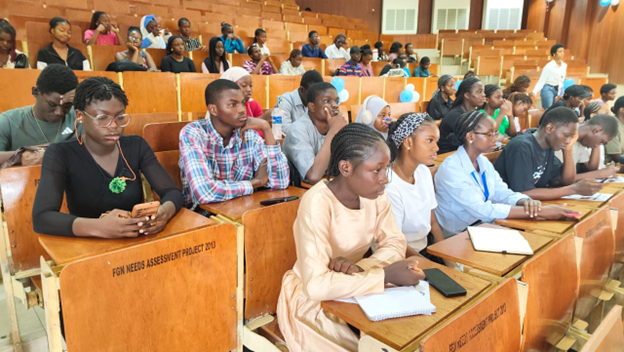
Motunrayo urged stakeholders to prioritise rebuilding public trust in journalism, improving journalist safety, strengthening media sustainability, embracing technology responsibly, and investing in young journalists and local reporting.
Addressing students at the summit, she encouraged them to uphold ethical values, verify information before sharing, support credible journalism and use technology to advance truth and accountability.
“If you publish, you should be responsible for what you publish, but sometimes it is not just about sanitising the space, it is about intimidation, and that is the path that we are talking about.” Monturayo said, warning against attempts to use regulation as a cover for suppressing press freedom.
She stressed that while accountability in journalism is important, measures aimed at regulating the media must not become tools for intimidation or censorship. In her closing remarks, she emphasised that journalism is democratic infrastructure and that the future of press freedom depends not only on protecting journalists but also on cultivating citizens who value truth, evidence and accountability.
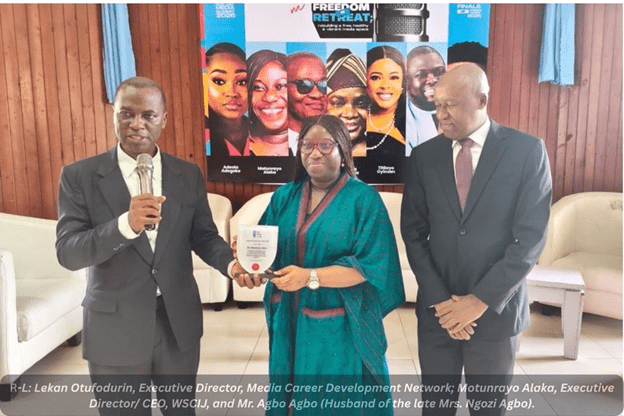
Following her keynote address, she was honoured with a plaque by the University of Lagos Press Club in recognition of her support for the club, her dedication to developing young journalists, and her contributions to strengthening journalism and the media profession.