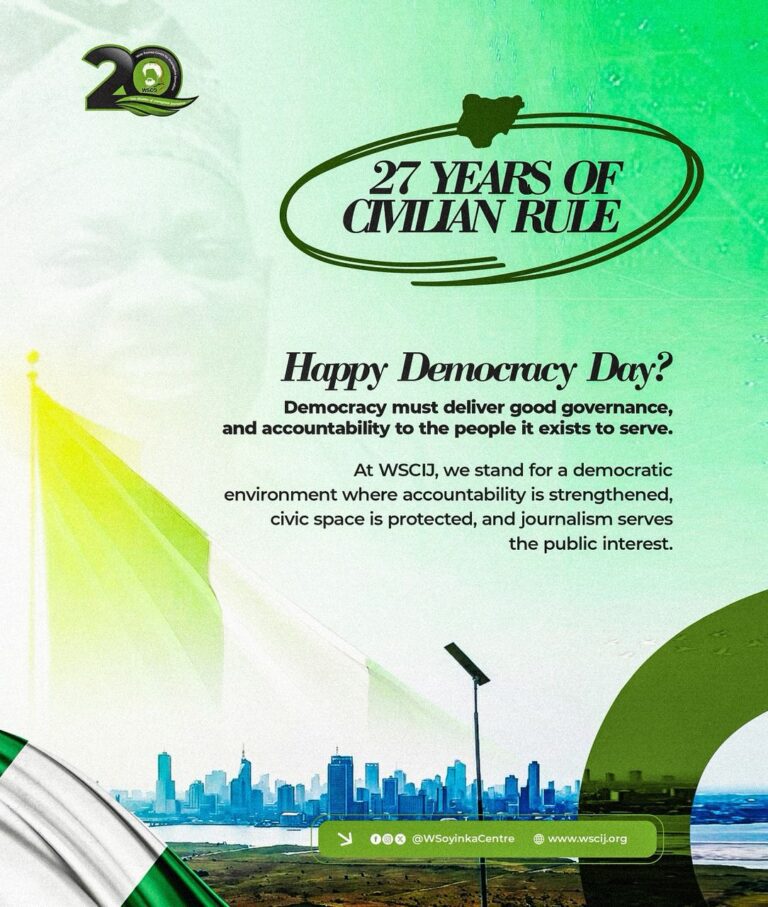
As Nigeria marks 27 years of uninterrupted civilian rule, the Wole Soyinka Centre for Investigative Journalism (WSCIJ) reiterates that Nigerians deserve better and calls for governance that works for the people. June 12 symbolises the struggle for democratic rights, the sacrifices made in defence of the people’s will, and the enduring aspiration for governance that serves citizens. It commemorates the 1993 presidential election, widely regarded as Nigeria’s freest and fairest, and honours those who fought for democracy. While this democratic continuity deserves recognition, democracy is ultimately judged by its ability to deliver security, justice, welfare, opportunity, accountability, and dignity for all Nigerians.
Today, many Nigerians continue to grapple with rising insecurity, deepening poverty, economic hardship, shrinking civic freedoms, and declining trust in public institutions, raising serious questions about governance and democracy’s ability to deliver meaningful benefits. The country’s reality remains troubling, with violent conflict exacting a devastating human toll. Recent abductions of students in Zamfara and Oyo states, and the killing of a vice principal, a student and another civilian in Kogi State, underscore the persistent vulnerability of schools and communities across Nigeria.
Economic conditions are equally concerning. Rising living costs, unemployment, underemployment, and multidimensional poverty continue to place immense pressure on households. Headline inflation rose to 15.69% in April 2026 according to the National Bureau of Statistics, the staggering multi-dimensional poverty rate has climbed to 63%, leaving approximately 140 million struggling to meet basic needs. Widening inequalities threaten social cohesion and national stability.
These realities are contributing to a dangerous erosion of public confidence in democratic institutions. Data from the Independent National Electoral Commission (INEC) show a steady decline in voter participation in presidential elections, from 50.53 per cent in 1999, 69.07, per cent in 2003, 57.54 per cent in 2007, 53.68 per cent in 2011, 43.65 per cent in 2015, 34.75 per cent in 2019, and to a historic low of 26.72 per cent in 2023.
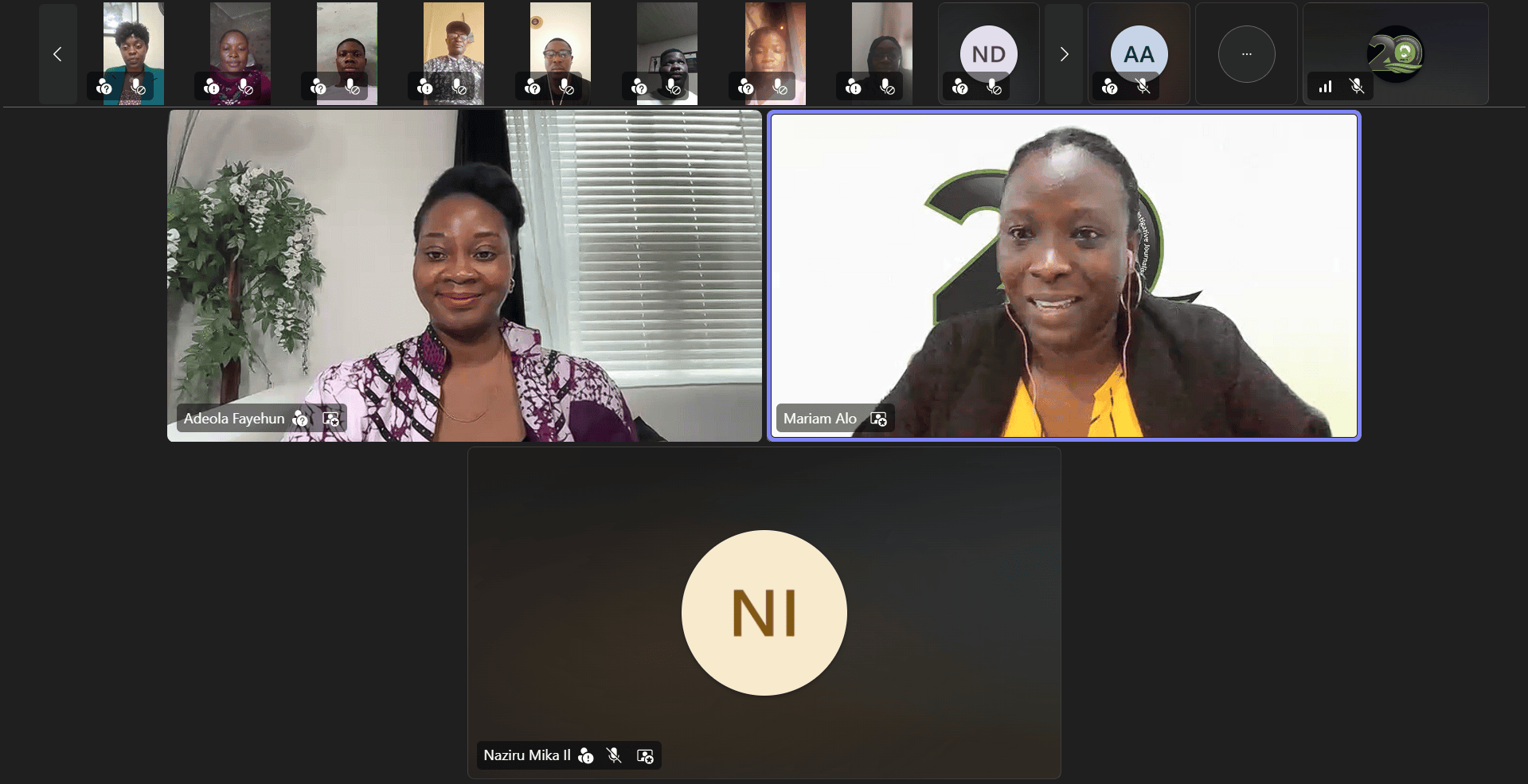
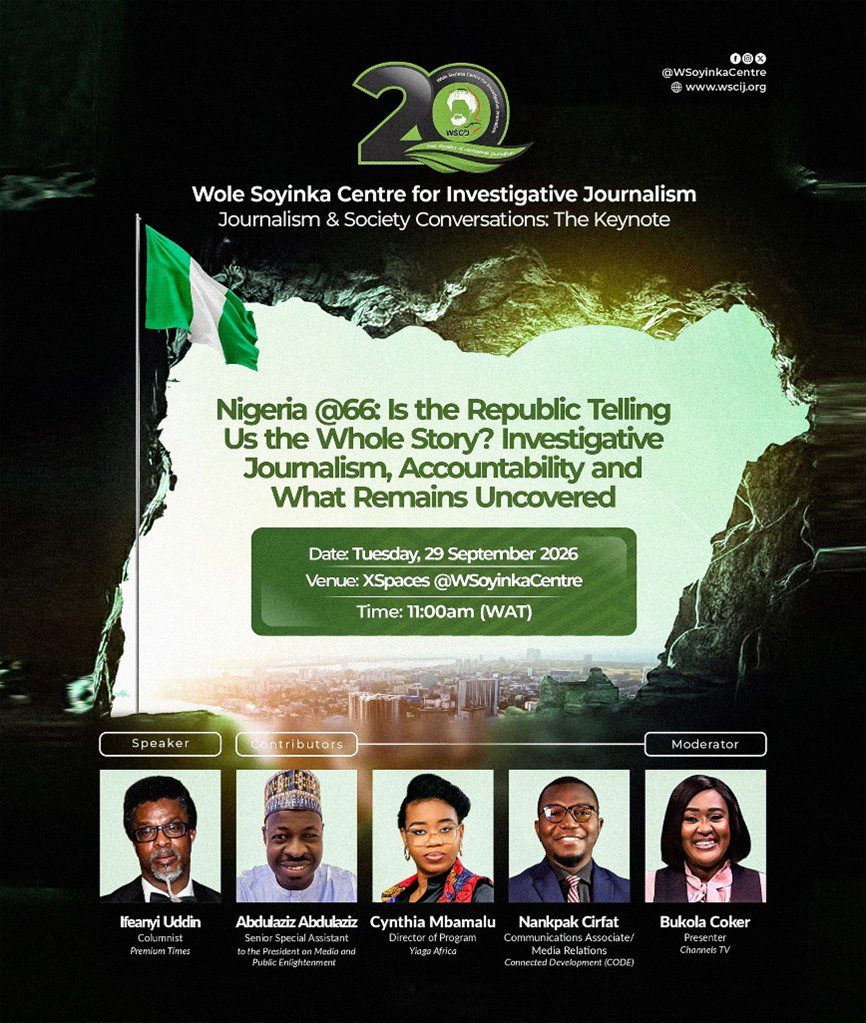
Recognising the implications of this trend, WSCIJ convened stakeholders at the June 2026 edition of its Journalism & Society Conversations to commemorate June 12 and examine the question of the possibility of democracy without citizens’. Participants highlighted the urgent need to rebuild public trust through credible elections, sustained civic education, stronger institutions, and responsive governance. They noted that declining electoral participation should be interpreted as a reflection of growing frustration with unmet democratic expectations and governance failures.
Democracy needs a free and vibrant civic space to thrive. Through its Journalism & Civic Space Status Reports, Hushed Voices and the Media’s Defence of Civic Space (2012-2022), Hushed Voices in an Election Year (2023), and Shrinking Freedoms (2024), WSCIJ has consistently documented the relationship between democratic health and the protection of fundamental freedoms, including press freedom. Our reports have chronicled persistent threats to civic participation, public accountability, and media freedom.
As WSCIJ prepares to host its annual lecture and present the 2025 Journalism & Civic Space Status Report on Monday 13 and Tuesday 14 July 2026 in Lagos, we reaffirm that journalists must be able to report freely and independently without fear of intimidation, surveillance, harassment, arbitrary detention, censorship, or other forms of repression. Independent journalism remains indispensable to democratic accountability and engaged citizenship.
WSCIJ also calls on Nigerians to refuse to surrender to apathy. Democracy requires active citizenship. Voting remains important, but democratic participation must extend beyond the ballot box. Citizens must continue to engage public institutions, demand accountability, participate in politics and civic processes, and insist on governance that responds to their needs and aspirations.
As political activities gather momentum ahead of the 2027 general elections, WSCIJ calls for urgent and sustained action from all stakeholders. President Bola Ahmed Tinubu, as Commander-in-Chief of the Armed Forces, and all levels of government must prioritise the protection of lives and property. Citizens cannot fully participate in democracy while living under the constant threat of violence, abduction, and insecurity.
Government must also act with greater urgency to address rising poverty, unemployment, underemployment, food insecurity, and the cost-of-living crisis. Inclusive economic policies, job creation, social protection programmes, and targeted interventions are essential to improving the quality of life of Nigerians and restoring hope in democratic governance.
Authorities must uphold constitutional rights, protect freedom of expression and press freedom, and create an enabling environment for civil society organisations, journalists, and citizens to participate freely in democratic processes. Electoral integrity also requires urgent attention. INEC, security agencies, political parties, and political actors must work collectively to guarantee transparent, credible, inclusive, and peaceful elections that inspire public confidence and encourage citizen participation.
Democracy must not be reduced to periodic voting. Elected officials must honour campaign commitments and remain accountable throughout their tenure through transparency, responsiveness, citizen engagement, and adherence to the rule of law. Governance must take precedence over perpetual politicking.
As we commemorate June 12, WSCIJ reminds public officials, political actors, media leaders, private sector actors, civil society organisations, and citizens alike that democracy is not an end in itself. It is a means to securing justice, dignity, freedom, security, opportunity, and shared prosperity for all, especially the most vulnerable. The sacrifices that June 12 represents must be honoured through action, accountability, and a democratic system that delivers tangible improvements in the lives of citizens beyond speeches and ceremonies. 27 years after the return to civilian rule, Nigerians have every right to expect more from their democracy. Nigerians deserve better. Democracy must deliver.
Signed
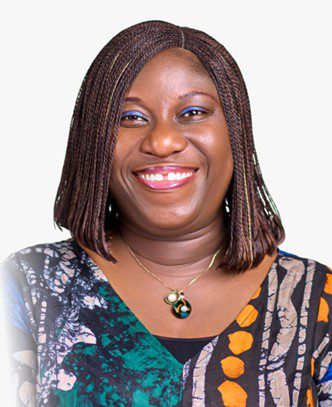
Motunrayo Alaka
Executive Director/CEO
Wole Soyinka Centre for Investigative Journalism (WSCIJ)