Wole Soyinka Centre for Investigative Journalism (WSCIJ), stakeholders have called for a multi-pronged approach to address voter apathy ahead of Nigeria’s 2027 general elections, urging the Independent National Electoral Commission (INEC), the media, civil society organisations, and other democratic actors to strengthen public trust in the electoral process.
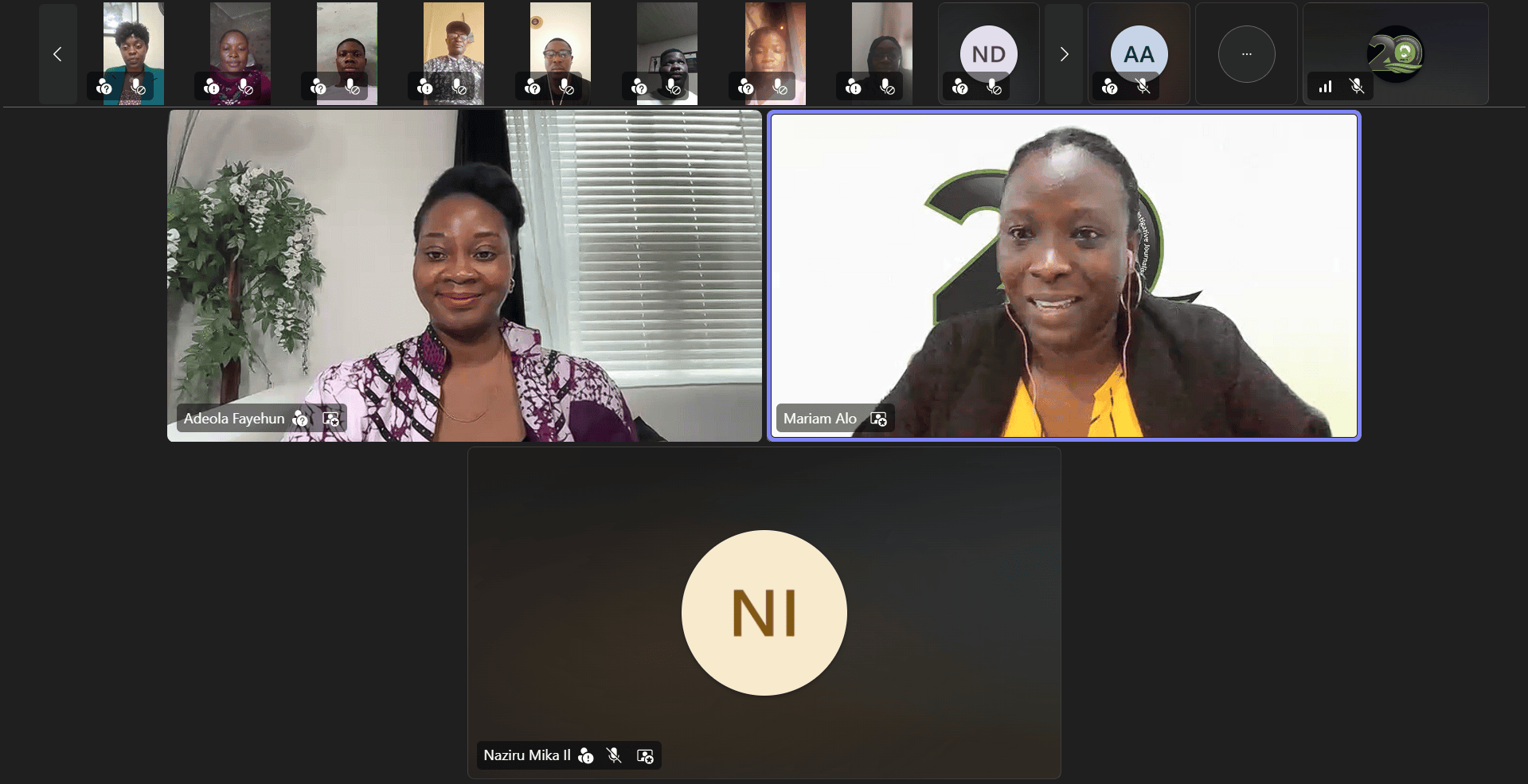
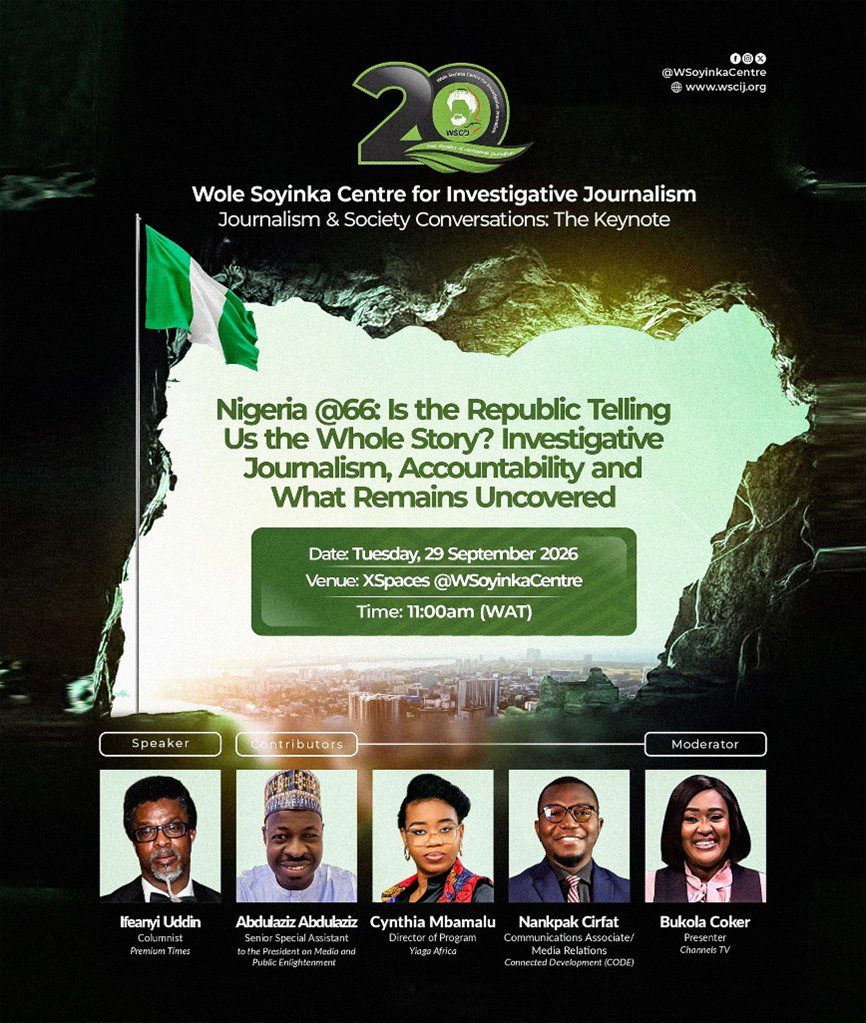
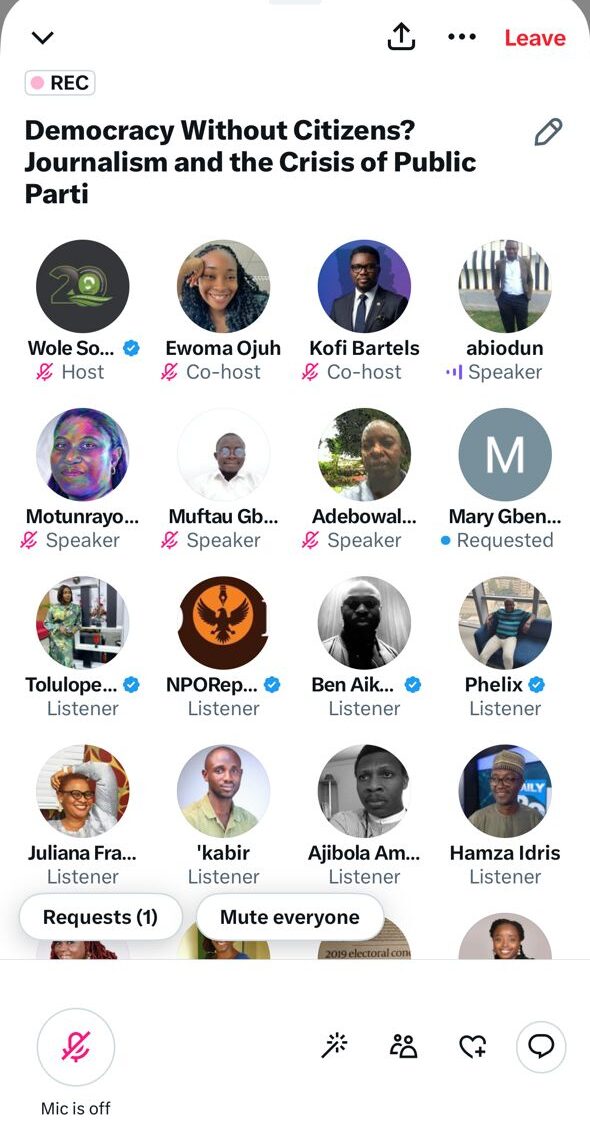
The call was made during the June 2026 edition of the Journalism & Society Conversations, an X Space organised by the Wole Soyinka Centre for Investigative Journalism (WSCIJ) to commemorate Democracy Day. The session, themed “Democracy Without Citizens? Journalism and the Crisis of Public Participation,” examined the causes of declining citizen engagement in democratic processes and explored strategies for reversing the trend.
The conversation featured Victoria Eta-Messi, Director of Voter Education and Publicity at the Independent National Electoral Commission (INEC); Victorson Agbenson, Political Editor at Radio Nigeria; Muftau Gbadegesin, Sustainable Development Practitioner; Theresa Maduekwe, South-East Zonal Director of the National Orientation Agency (NOA); and Adebowale Olorunmola, Country Director of the Westminster Foundation for Democracy (WFD). The session was moderated by Kofi Bartels, a broadcast journalist with Nigeria Info FM.
In her opening remarks, Motunrayo reflected on the significance of June 12 in Nigeria’s democratic journey. She described the June 12, 1993 presidential election as a landmark exercise that recorded broad citizen participation and underscored the importance of respecting the will of the people. According to her, the annulment of the election remains a defining moment in Nigeria’s democratic history and a reminder of the need to safeguard citizens’ right to choose their leaders.
She also highlighted the challenge of voter apathy, citing the steady decline in voter turnout across successive general elections. Motunrayo stressed the need for the media to counter misinformation and fake news, noting that they undermine trust in the electoral process, discourage participation, and weaken democratic engagement. She urged journalists to remain committed to providing accurate and credible information before, during, and after elections.
Speaking on barriers to public participation, Victoria Eta-Messi identified insecurity, low public trust in electoral institutions, and inadequate inclusion of Persons with Disabilities (PWDs) as key challenges. She noted that INEC continues to engage citizens through traditional and digital media platforms, while sustaining stakeholder engagement to improve voter education and participation.
Addressing concerns that votes do not count, Eta-Messi said the commission is working to strengthen public confidence through improvements in election logistics, voter education, and collaboration with security agencies under the Inter-Agency Consultative Committee on Election Security (ICCES). She added that INEC remains committed to sensitising citizens and encouraging them to actively participate in shaping the country’s democratic future.
Victorson Agbenson stressed that the media has a constitutional responsibility to set the agenda for public discourse and hold institutions accountable. He observed that the desperation of political actors during election periods often undermines public confidence and urged political parties and candidates to abide by electoral rules. He also called on INEC not only to be impartial but to be seen by citizens as fair, transparent, and objective.
Muftau Gbadegesin argued that voter apathy is largely driven by economic hardship, social inequality, and poor governance. According to him, citizens often become disillusioned with the political process when governance fails to address their needs. He urged stakeholders to prioritise rebuilding public trust as a means of encouraging greater participation in elections and democratic activities.
Addressing voter apathy, Theresa Maduekwe identified public mistrust in electoral institutions, perceptions of predetermined election outcomes, and unfulfilled political promises as major factors driving voter disengagement. She stressed that sustained civic education and access to accurate information are essential to rebuilding trust, encouraging voter participation, and strengthening democratic engagement.
Adebowale Olorunmola noted that democracy extends beyond election periods and should be assessed by what happens between elections. He argued that citizens’ confidence in democracy is shaped largely by governance outcomes, accountability, and responsiveness throughout the electoral cycle. He therefore urged civil society organisations to pay greater attention to governance between elections and demonstrate how democratic processes translate into tangible improvements in citizens’ lives.
Through the Journalism & Society Conversations, WSCIJ continues to advance democratic accountability, civic engagement, and informed public participation. The June 2026 edition highlighted the importance of journalism, civic education, and responsive institutions in addressing voter apathy and strengthening democracy ahead of the 2027 elections.