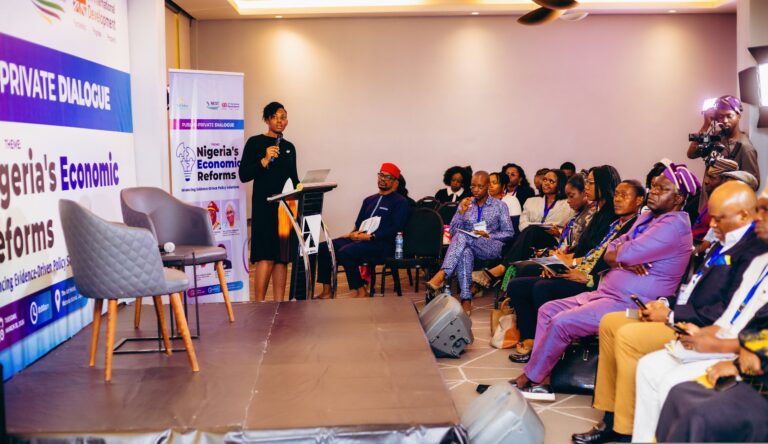
Relevant stakeholders from across Nigeria’s public and private sectors convened in Lagos recently, for a high-level dialogue aimed at shaping the country’s economic reform agenda through evidence-based policy solutions.
The event, organised by the Shehu Musa Yar’Adua Foundation in partnership with the Nigeria Economic Stability and Transformation Programme, brought together leaders from civil society, organised labour, the private sector, academia, and development institutions under the theme “Public-Private Dialogue on Nigeria’s Economic Reforms: Advancing Evidence-Driven Policy Solutions.”
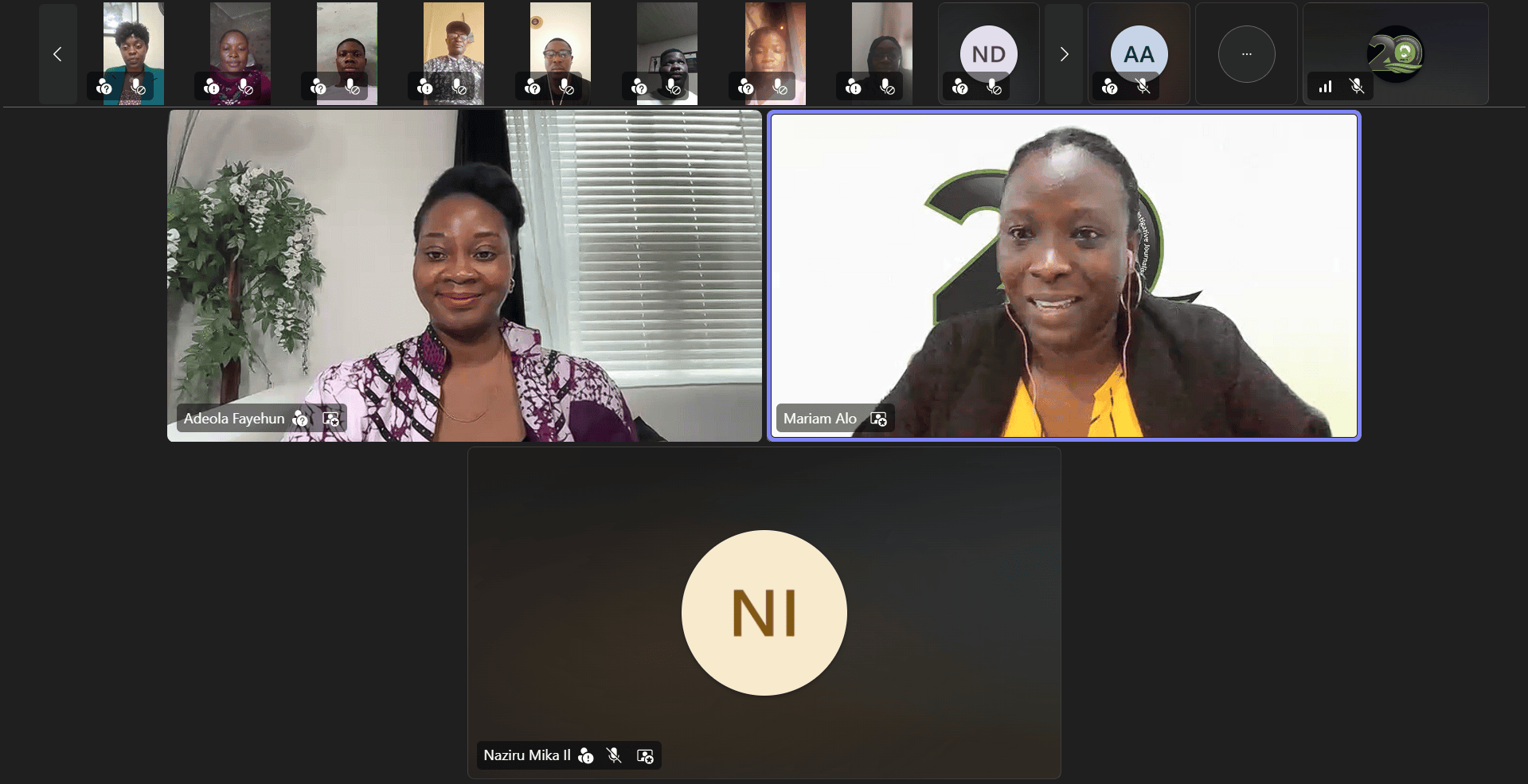
Motunrayo Alaka, Executive Director and Chief Executive Officer, Wole Soyinka Centre for Investigative Journalism (WSCIJ), was among the participants, reinforcing the Centre’s commitment to engaging in policy conversations that intersect with transparency, accountability, and governance.
The dialogue was designed to generate actionable policy recommendations for the government. Participants engaged in rigorous deliberations to assess six key reform proposals, determine priority areas, and identify the conditions and safeguards necessary for effective implementation.
The event anchored on a comprehensive evidence base, drawing from sources including the Nigeria Economic Summit Group’s Macroeconomic Outlook 2026, Agora Policy research, Afrobarometer Round 10 survey data, as well as assessments by the International Monetary Fund and the World Bank. Insights from pre-dialogue consultations with key informants also informed discussions.
Presenting the evidence brief and key reform insights, Ms. Chisom Udora, Research Associate at Innovision Global Consulting, outlined critical economic realities and policy options, providing participants with the analytical foundation for the day’s deliberations.
The session progressed through a series of structured engagements, beginning with the presentation of evidence, followed by breakout group discussions where participants examined reform proposals through different analytical lenses. Each group presented its findings during a plenary session, highlighting areas of convergence and divergence.
Participants also engaged in a collective decision-making process, voting on key reform priorities using a digital platform. The process evaluated reforms based on their potential for economic relief, political and social feasibility, and credibility of implementation.
According to the Shehu Musa Yar’Adua Foundation, the dialogue is expected to produce a shortlist of priority reforms for 2026, a set of non-negotiable safeguard conditions for implementation, and a post-dialogue outcome note to be submitted to the government. The outcomes will also include published evidence brief for the wider policy community.
Stakeholders emphasised that the strength of the dialogue lies in its multi-sectoral approach, combining technical analysis with grounded insights from participants directly affected by economic policies. This, they noted, enhances the credibility and practicality of the recommendations.
The participation of WSCIJ underscores the critical role of investigative journalism in bridging evidence, policy, and public accountability, particularly in conversations that shape national development priorities.
The dialogue represents a significant step towards fostering inclusive, evidence-driven policymaking aimed at addressing Nigeria’s economic challenges and improving outcomes for households and businesses alike.