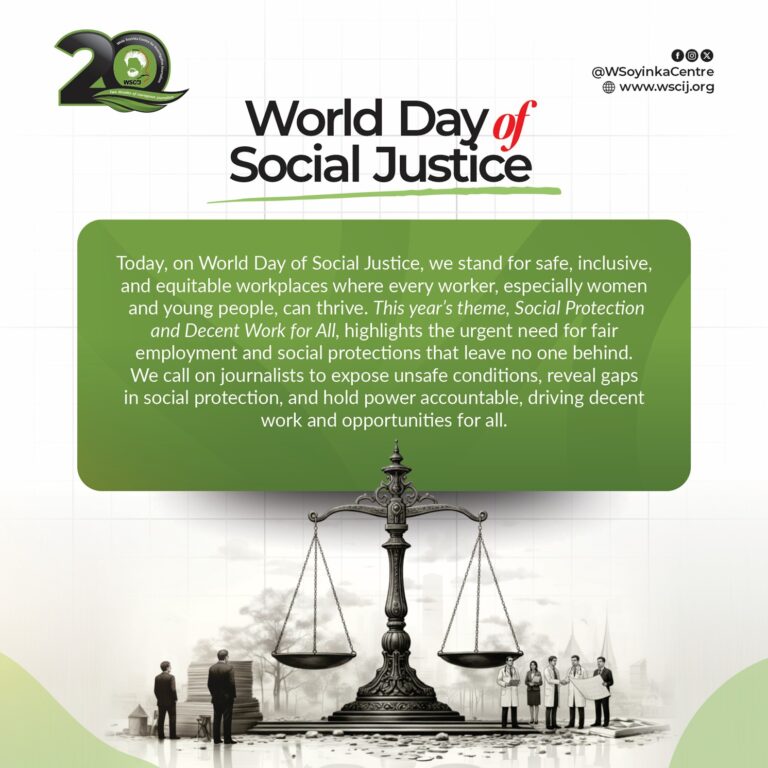
On this World Day of Social Justice, the Wole Soyinka Centre for Investigative Journalism (WSCIJ) joins the global community in calling for renewed commitment to equity, accountability, and inclusive development. This year’s theme, ‘Social Protection and Decent Work for All,’ draws attention to the urgent need for robust social protection systems, respect for labour rights, accessible public services, and fair economic opportunities, foundations that are essential to strengthening democratic societies and protecting the most vulnerable.
According to the International Labour Organization (ILO), over 2 billion workers worldwide -more than 60 per cent of the global workforce are in informal employment, lacking adequate social protection, income security, and enforceable labour rights. In Nigeria, roughly 93 per cent of employment is in the informal sector, leaving most workers without reliable social insurance, workplace safeguards, or stable income. Women and young people are disproportionately affected, reinforcing economic inequality and limiting social and economic mobility.
In 2024, Ann Godwin, Head of the South-South Bureau at The Guardian Newspaper, investigated conditions at the University of Port Harcourt Teaching Hospital’s ICU in her report, “At UPTH’s ICU, Horror, Nightmare as Caregivers Exploit Sick and Dying Patients.” The investigation exposed systemic neglect, unsafe working conditions, and the exploitation of vulnerable patients. WSCIJ recognised her outstanding work, which demonstrates how ethical, rigorous journalism holds institutions accountable, exposes gaps in social protection, and reinforces the urgent need for safe and equitable workplaces
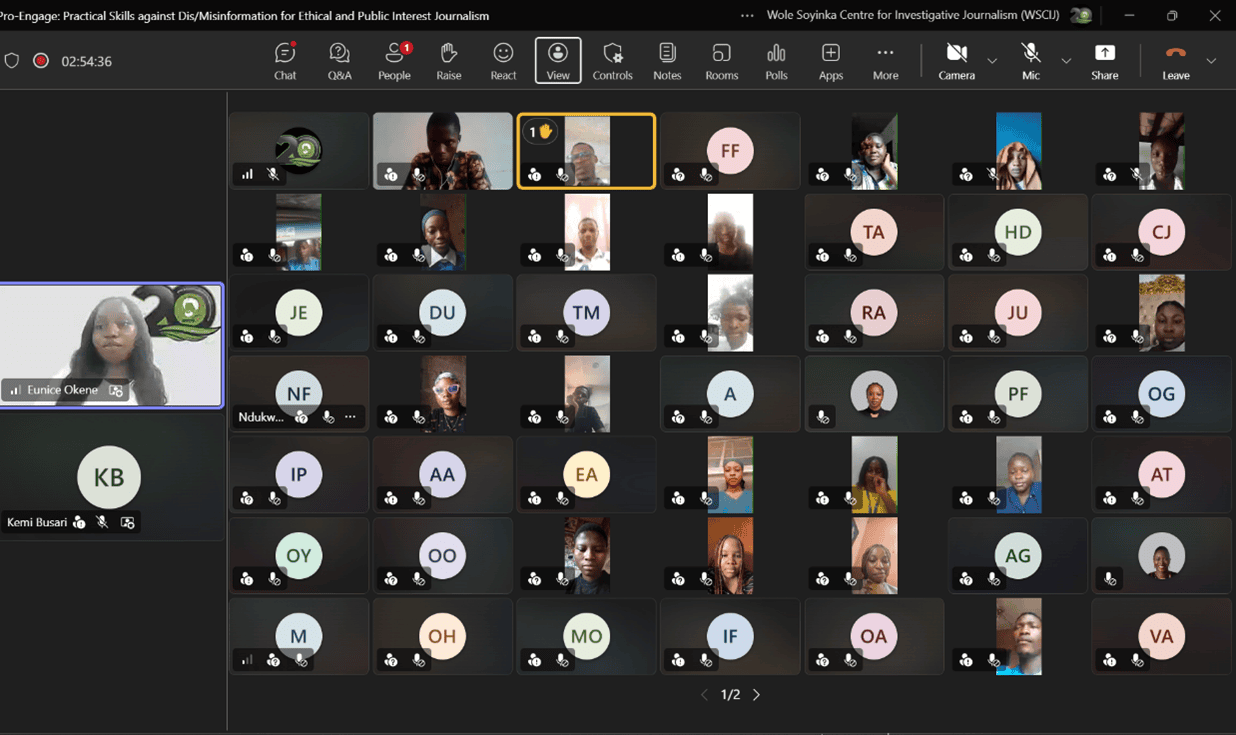
For two decades, we have championed the principles of social protection and decent work by recognising and rewarding journalism that exposes institutional failures affecting livelihoods and human wellbeing. Through our annual Wole Soyinka Award for Investigative Reporting (WSAIR), we have recognised 144 finalists, honoured 71 Soyinka Laureates, and celebrated 13 Investigative journalists of the year, while training over 10,000 journalists who hold power to account, spotlight systemic neglect, and advance reporting that strengthens decent work, social protection, and inclusive practices.
Last year, WSCIJ partnered with Women Radio WFM 91.7 to host the ReportHer Awards, celebrating organisations such as Federal Radio Corporation of Nigeria (FRCN), News Agency of Nigeria (NAN), Premium Times, and BoNews Service that have taken deliberate steps to provide conducive work environments, including gender-sensitive policies, staff welfare measures, and facilities such as creches for employees’ children.
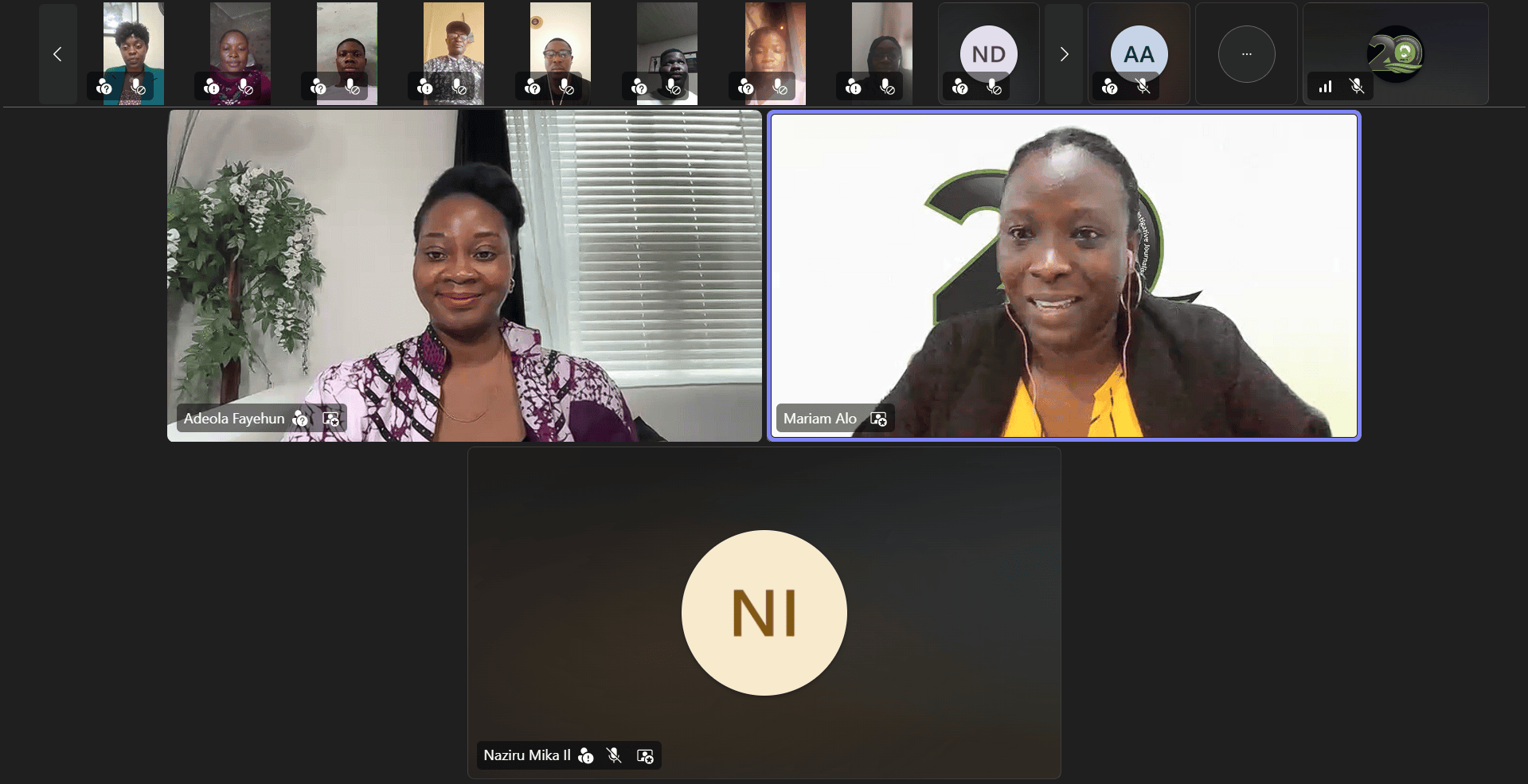
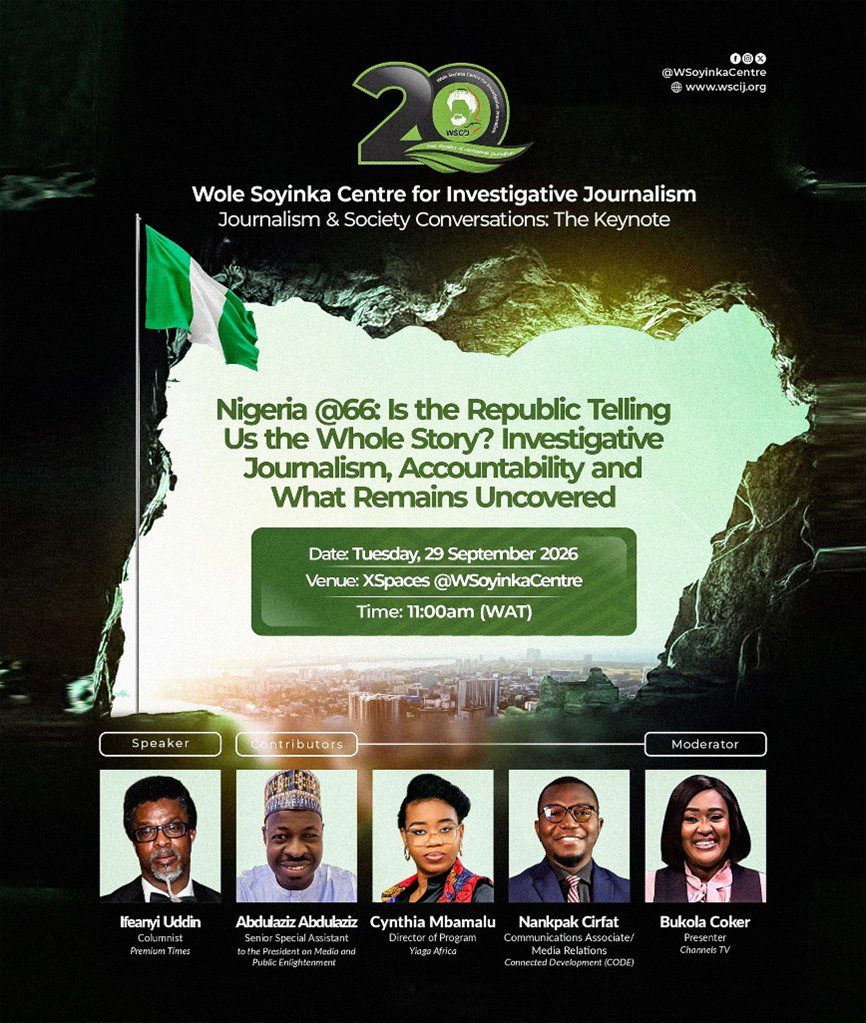
Beyond recognition, we actively convene discussions on the conditions under which journalists operate, focusing on mental well-being, safety, and professional resilience. We recognise that decent work encompasses emotional support, protection of rights, and secure working environments. In May 2025, during our Journalism and Society Conversations, we explored how retaining media talent, establishing fair structures, and offering competitive pay are central to decent work, emphasising the responsibility of media organisations to uphold these standards.
As the world marks this year’s World Day of Social Justice, WSCIJ calls on journalists, media houses, and policymakers to strengthen their commitment to social protection, decent work, and inclusive development. A truly sustainable future can only be achieved when workplaces are safe, rights are respected, and opportunities are equitable for all. WSCIJ remains steadfast in spotlighting gaps, celebrating organisations that lead by example, and supporting journalism that drives systemic change.
Signed:
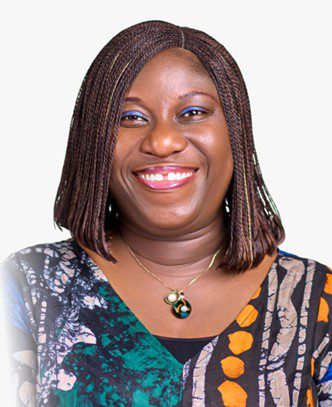
Motunrayo Alaka
Executive Director/CEO, WSCIJ