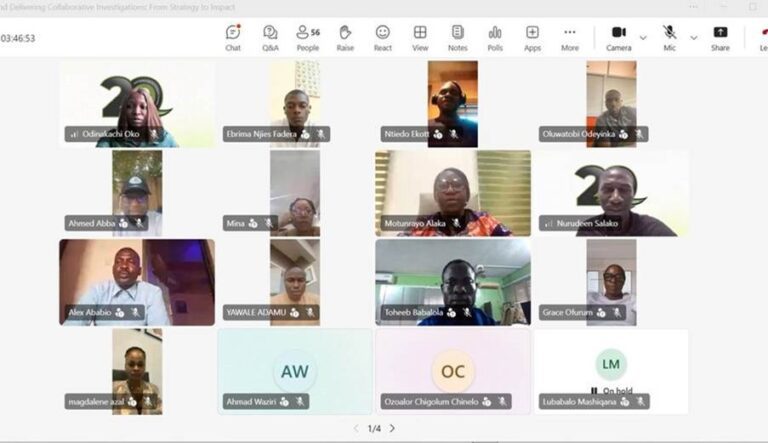
The Wole Soyinka Centre for Investigative Journalism has charged investigative journalists to be intentional in building partnerships rooted in shared public-interest values, complementary skills, ethical alignment, and trust for an impact-driven journalism in society.
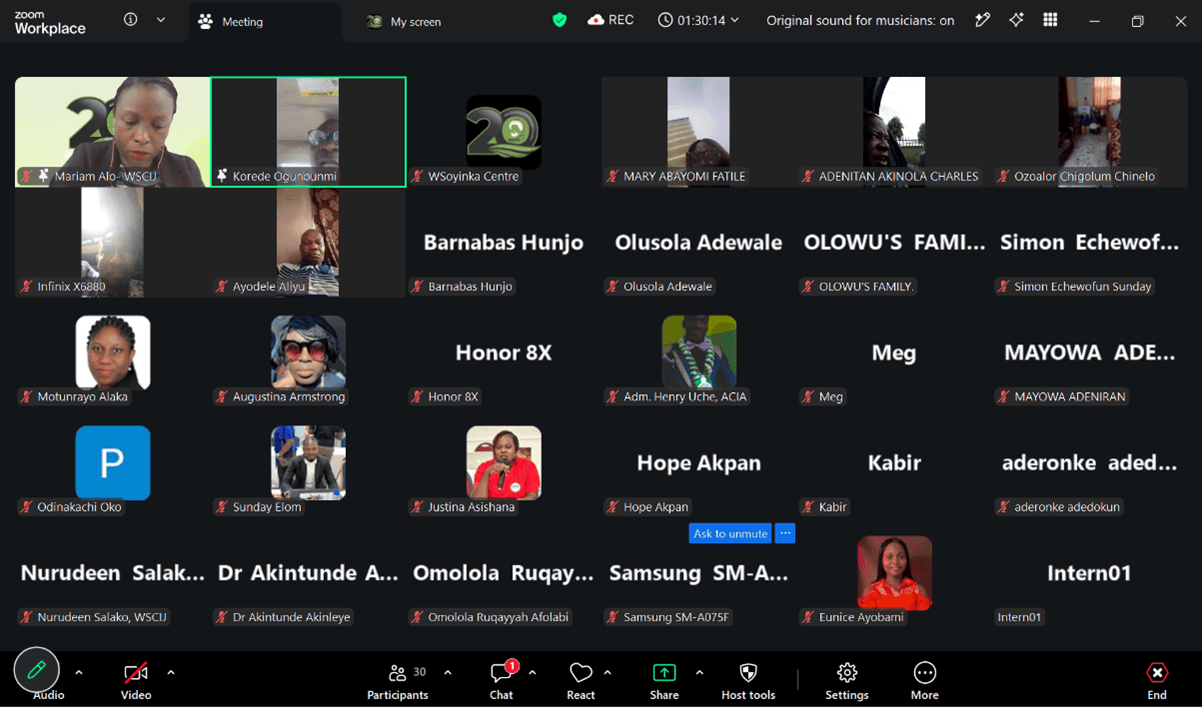
At a virtual training themed, “Designing and Delivering Collaborative Investigations: From Strategy to Impact”, organised by the Centre under its Collaborative Media Engagement for Development, Inclusivity and Accountability (CMEDIA) Project the programme brought together local journalists from across Nigeria and other African countries like Ghana, Gambia, etc., to strengthen their ability to build impactful investigative partnerships that is capable of driving accountability and social change.
Facilitating a session at the training on the topic, “Designing and Delivering Collaborative Investigations: From Ideations to Impact”, Motunrayo Alaka, Executive Director/Chief Executive Officer (CEO), WSCIJ, attributed shared public-interest purpose, strategic partner selection, clear governance structure, and trust infrastructure as rubrics for effective collaborative investigative stories.
Drawing lessons from global collaborative investigations such as the Panama Papers, she highlighted how strategic partnerships among journalists have become critical to exposing complex cross-border corruption and abuse of power. The investigative journalism advocate further noted that “the future of investigative journalism is networked,” stressing that journalists must intentionally build partnerships rooted in shared public-interest values, complementary skills, ethical alignment, and trust.
Motunrayo implored journalists to move beyond competition and focus on collaborations grounded in public-interest values, ethical alignment, and complementary investigative strengths. “Decide where you want to go and who you want to go with,” she told participants, stressing the need for trust, clarity, and security consciousness in collaborative reporting.
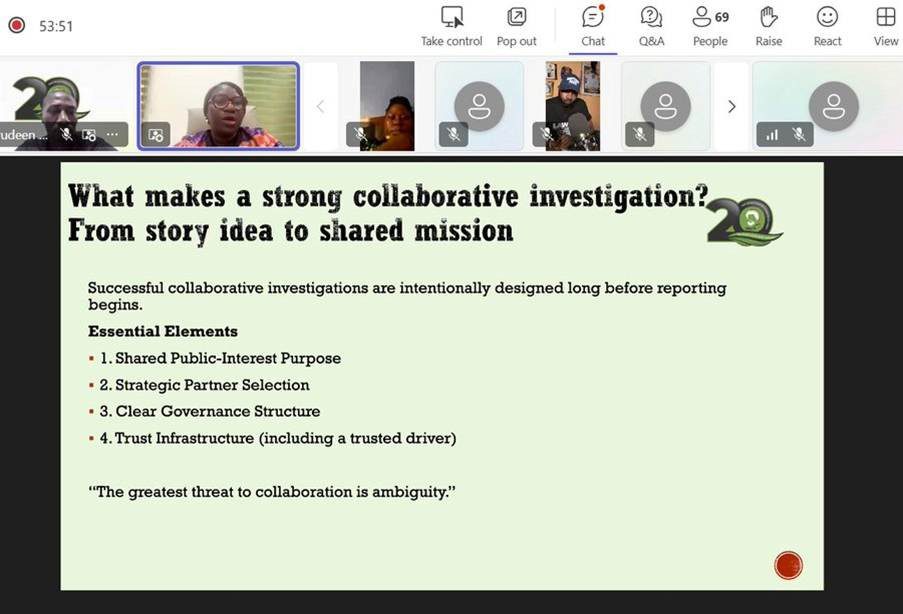
During the session, participants were introduced to practical frameworks for designing collaborative investigations, including stakeholder mapping, risk assessment, editorial coordination, timeline development, verification protocols, and security planning. She also stressed the importance of trauma awareness and mental health support for investigative reporters, noting that journalism should remain impact-driven rather than personality-focused. Participants also learned practical approaches to handling legal risks, political pressure, trauma exposure, and digital security concerns associated with investigative journalism.
In a similar vein, Haruna Mohammed, Publisher and Founder of WikkiTimes spoke on “Designing and Delivering Collaborative Investigations: From Strategy to Impact” shared practical lessons from collaborative reporting experiences, stressed that investigative collaboration should not be treated as a casual partnership but as a carefully engineered structure built around clear leadership, reciprocal partnerships, pre-publication agreements, and coordinated editorial processes.
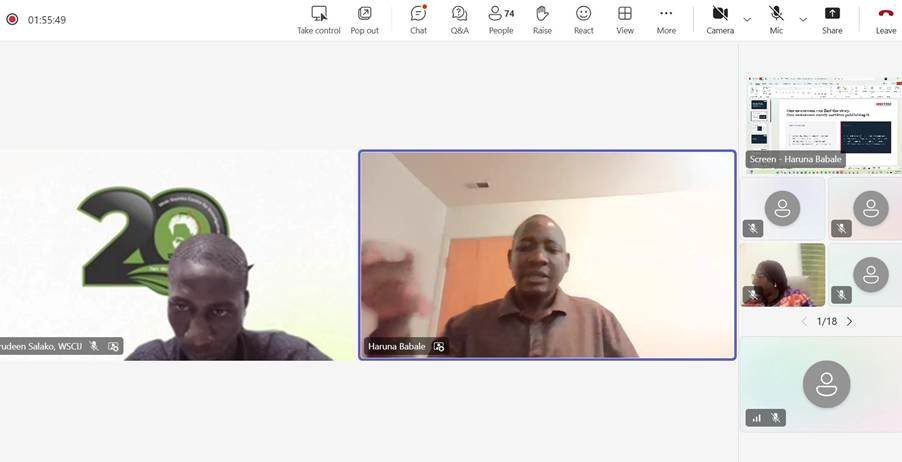
Haruna also highlighted practical strategies for successful collaborations, including appointing coordinators, signing pre-publication agreements, implementing simultaneous publication strategies, and conducting legal reviews before publication.
The training further introduced journalists to secure collaborative journalism initiatives such as Forbidden Stories and the International Consortium of Investigative Journalists (ICIJ), both globally recognised for advancing cross-border investigative reporting.
The training provided participants with scenarios, and there were breakout sessions to present a collaborative investigation plan covering story focus, execution plan, and impact pathway. Motunrayo further gave feedback on those collaborative investigation plans made by the two groups.