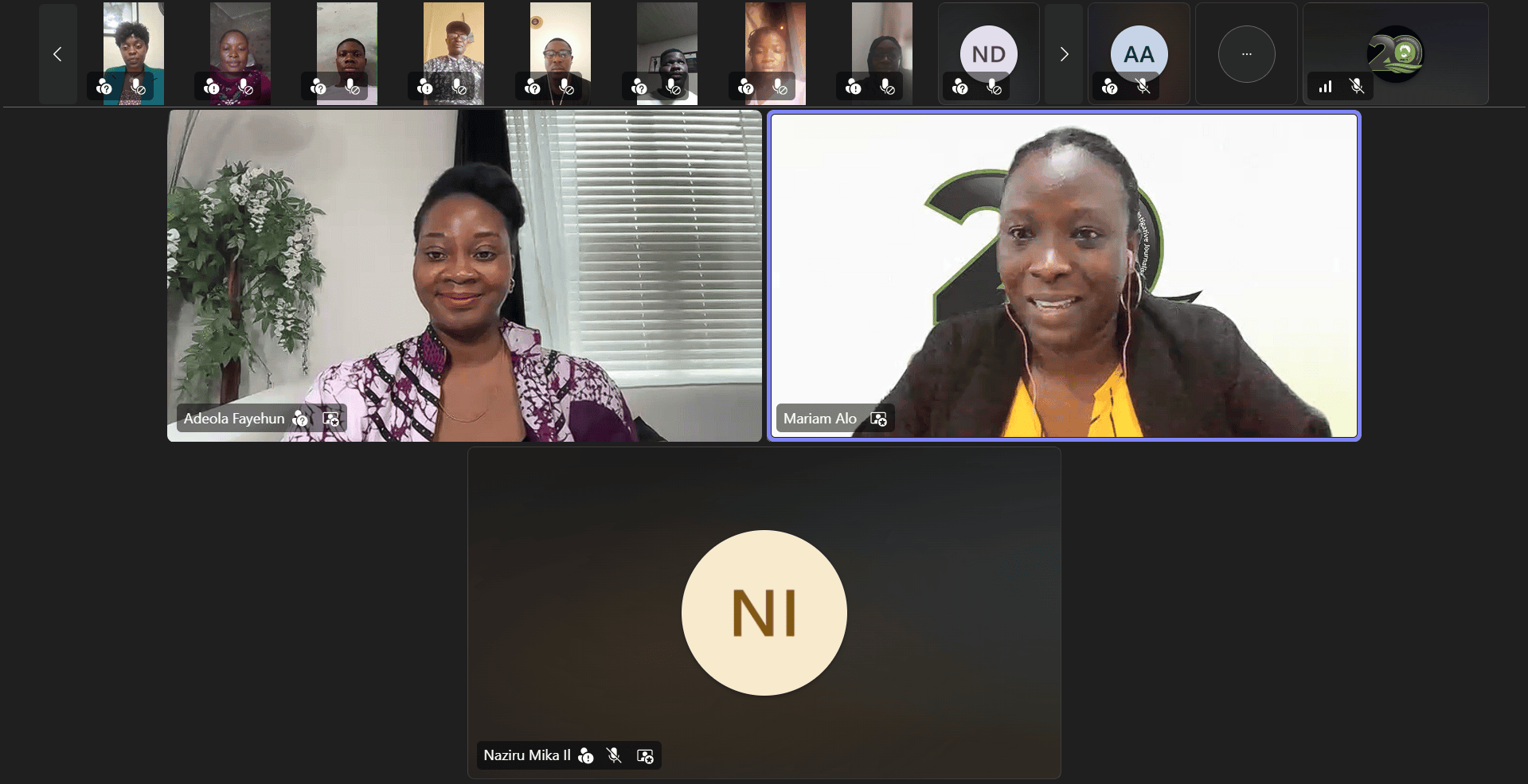
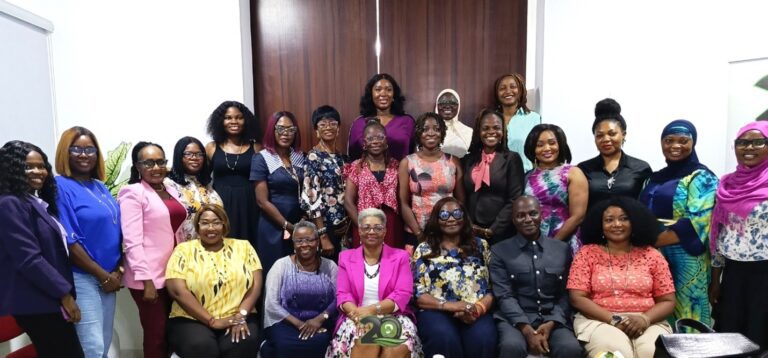
In a profession where deadlines rarely pause and pressure is constant, the chance to breathe, reflect and connect can feel out of reach, especially for women navigating the demands of the newsroom. In response to this reality, the Wole Soyinka Centre for Investigative Journalism (WSCIJ) convened a Journalists Timeout – ReportWomen! edition, at its premises in Lagos, on Tuesday, 24 March 2026. The event brought together female journalists, editors, and newsroom leaders to mark Women’s Month with a deliberate attempt to pause, share experiences, and engage in open, honest conversations about their journeys in the media.
In her opening remarks, Mariam Alo, Programmes Officer at WSCIJ who represented the Motunrayo Alaka, ED & CEO, WSCIJ, emphasised the importance of the women-centred edition of the Journalists Timeout to create an opportunity for journalists to engage with experienced media professionals, ask career-related and pressing questions, step away from the pressures of work, and build supportive professional communities.
A key highlight of the event was an Ask Me Anything (AMA) conversation, which created room for candid exchanges on career development, leadership, and navigating challenges in the profession. Veterans, including Bimbo Oloyede, Executive Director, Strictly Speaking; Stella Din-Jacob, Executive Director, Mustel Creative Works Limited; Joke Kujenya, Chief Executive Officer (CEO)/Publisher, JK News Media Online; Siju Alabi, Convener, Think Nigeria Show; Anikeade Funke-Tresure, Executive Director, Illuminate Nigeria; and Lekan Otufodunrin, Executive Director, Media Career Development Network, encouraged participants to remain adaptable, explore opportunities within and beyond the newsroom, and develop complementary skills that support both career growth and financial stability without compromising professional integrity.
The news media veterans also underscored the importance of mentorship and intentional relationship-building, particularly in supporting the next generation of journalists. Participants were encouraged to remain open-minded, embrace creativity, and take calculated risks in expanding their professional paths. As Anikeade Funke-Treasure noted, “You are like an app, you need to continually update yourself.” Another reflection captured the tone of the session: “If you get to the top and you are lonely; it is because you did not take people along.”
Participants also reflected on the realities of newsroom practice, highlighting the importance of maintaining professional standards despite pushback, particularly around accuracy, language, and ethical reporting. These conversations reinforced the need for resilience, discipline, and consistency in navigating the evolving demands of the media landscape. Beyond reflection, the session became a moment of shared learning and honest introspection. Discussions touched on career progression, continuous learning, and the need to remain relevant in a fast-changing industry, with participants encouraged to stay open to new opportunities and develop diverse skill sets that can support long-term growth.
There were also strong calls for greater visibility and documentation of women’s contributions to journalism, including the need to tell more stories about female journalists and preserve their experiences for future generations.
The event brought together fellows of the Report Women! Female Reporters Leadership Programme (FRLP), female Soyinka Laureates, newsroom leaders, reinforcing WSCIJ’s commitment to strengthening the capacity, confidence, and leadership pathways of women in journalism.
Through initiatives such as the Journalists Timeout, WSCIJ continues to create platforms that support journalists not only in their professional development but also in navigating personal and emotional demands of their work. The event highlights the growing importance of safe, supportive spaces within the media, where women can share experiences, build networks, and sustain their contributions to public-interest journalism.
Signed WSCIJ