Support for local journalism and collaborative journalism took centre stage as the Wole Soyinka Centre for Investigative Journalism (WSCIJ) and MacArthur Foundation curated learnings and achievements of the first phase of the $5million fund to support Collaborative Media Engagement for Development, Inclusivity and Accountability (CMEDIA), a three-year project focused on sub-national reporting, investigative reports on the private sector and amplifying marginalised voices from 2022 to 2024, as it prepares to sustain and expand the programme and its impact.
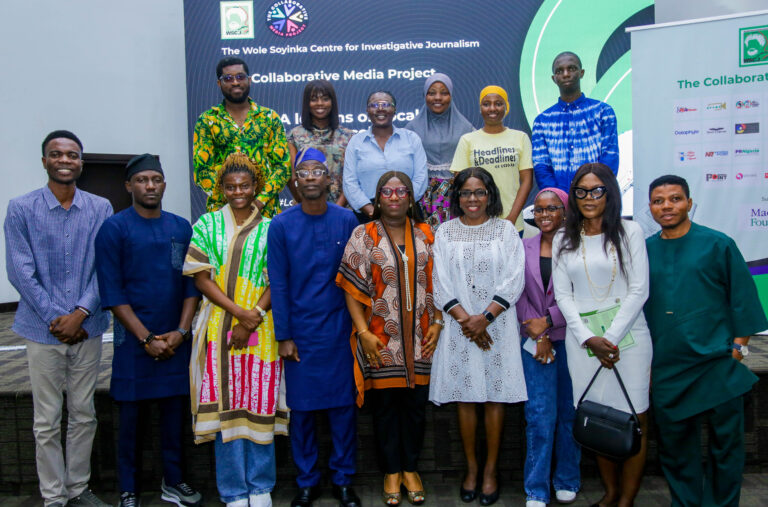
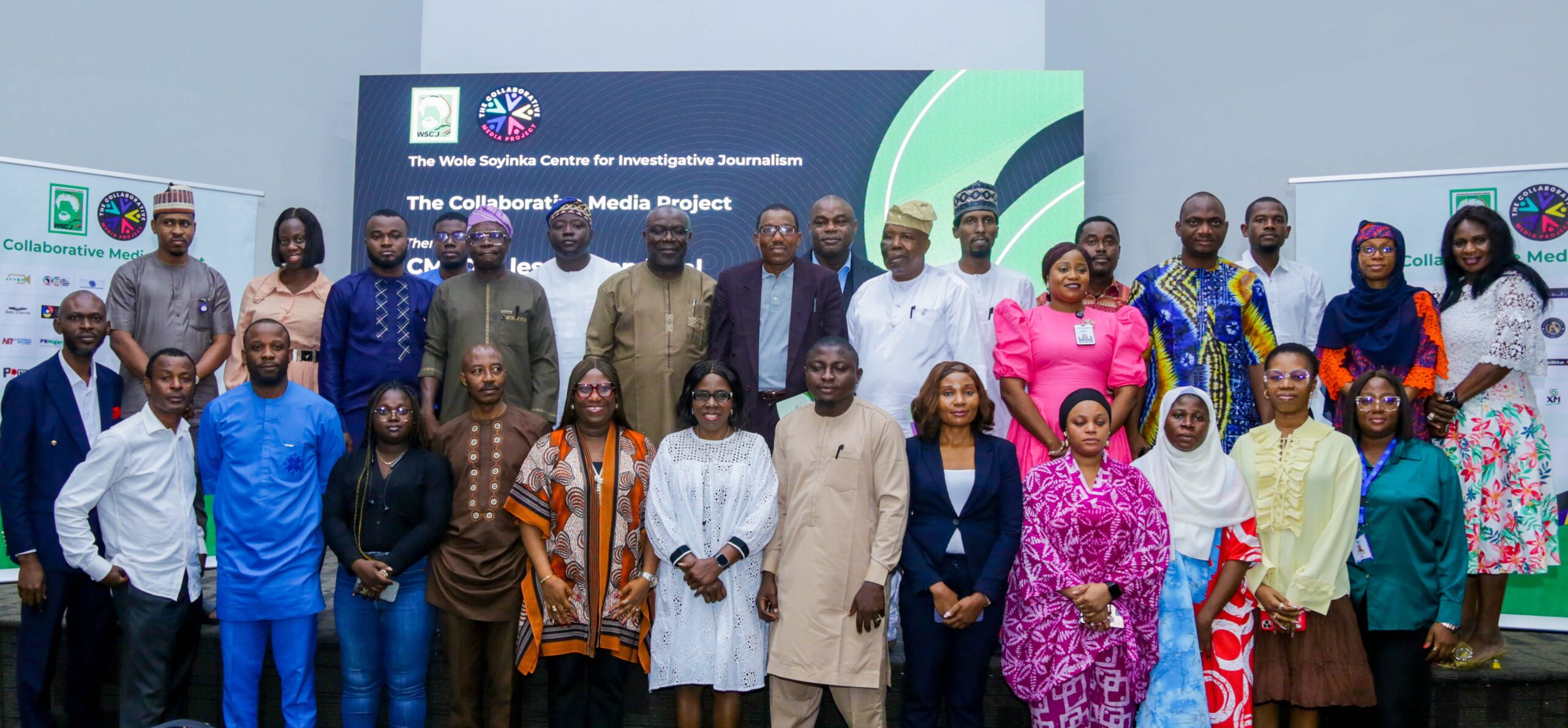
At the local and collaborative journalism sustainability engagement meeting with the theme – ‘CMEDIA Lessons on local journalism and collaboration for accountability: Driving accountability with local voices, grassroots reporting, and collective action’, organised by the WSCIJ with the 26 direct partners and other beneficiaries who benefitted from the fund for local journalism, investigative reporting, organisational capacity development and collaborative strategies, stakeholders emphasised the importance of collaboration, highlighting the critical role of local journalism in promoting transparency, inclusivity and public accountability.
Media professionals and organisations across Nigeria have commended the Wole Soyinka Centre for Investigative Journalism (WSCIJ) and the MacArthur Foundation for the support and leadership through the Collaborative Media Engagement for Development, Inclusivity and Accountability (CMEDIA) project, which has strengthened professionalism, accountability and sustainability in local journalism over the past three years.
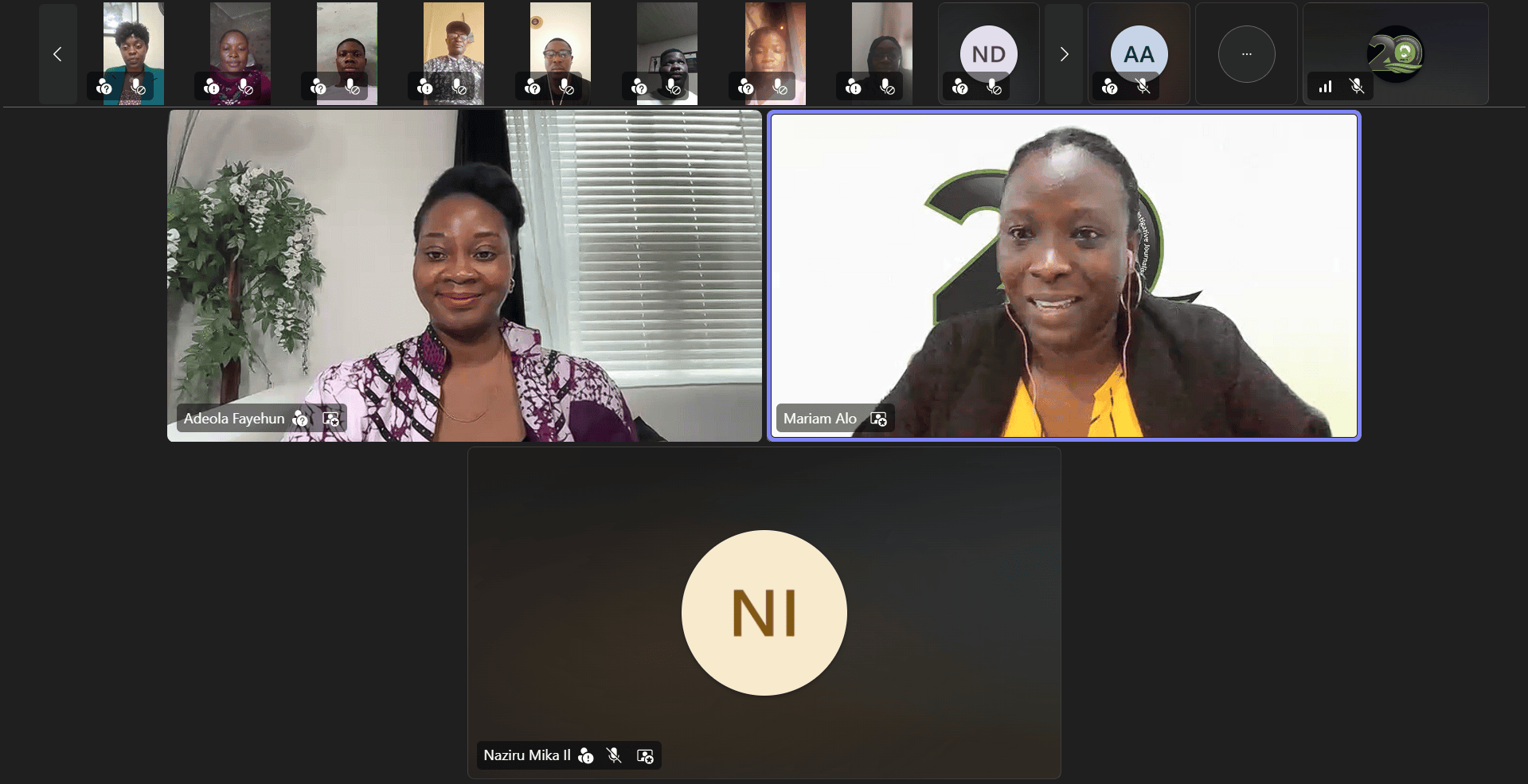
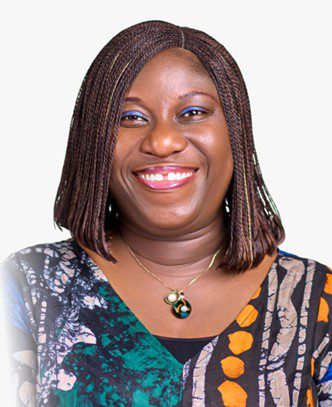
Reflecting on the journey in her opening remarks at the event which celebrated local, collaborative and accountability journalism, Motunrayo Alaka, Executive Director/CEO of WSCIJ, emphasised that the joy of the WSCIJ is that it has normalised accountability at the sub-national level and helped the partner organisations and the coverage of local and states become stronger so that beyond the WSCIJ the ecosystem for good journalism thrives. Alaka called on partners to adopt the “Report Until Something Happens” (RUSH) strategy to drive impactful local journalism through stronger collaboration and sustainable practices.
Representatives of some of the 26 partner organisations present shared stories of impact across regions. Ikenga Online, Albaraka FM, and Clear View highlighted how the project strengthened capacity for governance reporting, amplified citizens’ voices, and fostered trust between media and communities. Daily Nigerian and Safer Media reported that collaborative investigations led to government responses and policy actions, including the Independent Corrupt Practices and Other Related Offences Commission (ICPC)’s interventions and the prosecution of offenders.
In the North-East, Wikki Times produced 59 investigative reports, 14 of which led to tangible outcomes, while launching Wikki Data, a budget-tracking platform. Exchange Hama empowered communities in Bauchi and Gombe States to demand accountability through grassroots reporting, and Kanem Press expanded inclusive reporting by publishing content in five languages. Keeping it Real with Adeola, KIRWA, carried out a project to improve public awareness and the ecosystem for transparency and accountability at the sub-national level and Gender Strategy Advancement International, GSAI, strengthened female journalists’ investigative capacity. Other partners, such as Yerwa Express, Stallion Times, and AD4TV, reported increased organisational sustainability, strengthened collaboration, and diversification beyond traditional media operations.
Abigail Ogwezzy-Ndisika, CMEDIA Technical Adviser and Director of the Institute of Continuing Education at the University of Lagos (UNILAG), commended WSCIJ and its 26 partners for the tremendous impact the CMEDIA project has achieved so far. Citing the Cotonou degree story by Daily Nigerian, on FG suspending accreditation of degree certificates from Benin, Togo and other countries, she urged the partners to sustain their collaborative efforts, deepen advocacy, and continue leveraging media and communication tools to drive positive social change.
CMEDIA trained 3,790 journalists (including 1,880 women) and 1,105 student journalists, resulting in over 844 grassroots stories published through local media outlets. Within its three-year cycle (2022–2024), it empowered local journalists, media support organisations and newsrooms to produce impactful, accountability-driven stories, strengthening Nigeria’s media ecosystem.
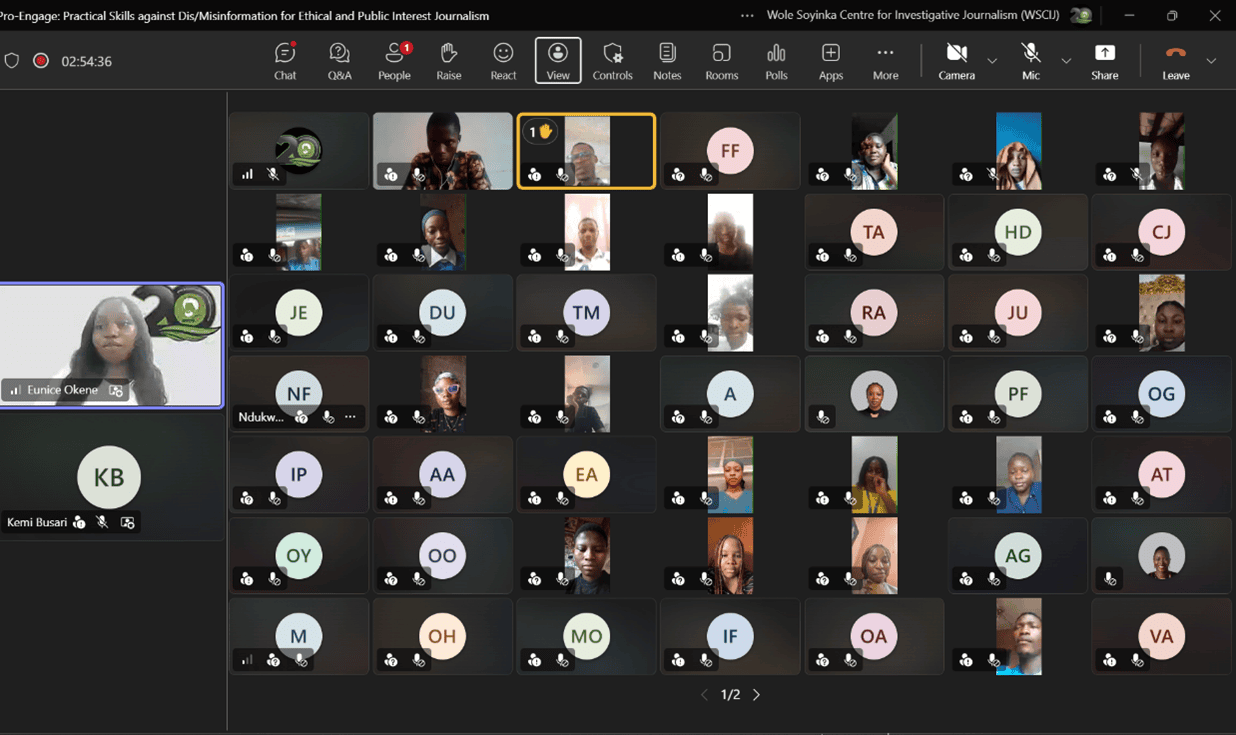
The event had in attendance stakeholders from different media organisations, Non-Governmental Organisations and students from different higher institutions.
About The Collaborative Media Project
The Collaborative Media Engagement for Development, Inclusivity and Accountability (CMEDIA) is a multi-level intervention for media independence and government. Through the project, WSCIJ sub-granted to media & media support organisations, built their capacity to run accountability-focused projects at subnational levels, led regular conversations, and created investigative reporting desks. The Project is supported by the MacArthur Foundation.
About WSCIJ
The Wole Soyinka Centre for Investigative Journalism (WSCIJ) is a not-for-profit, non-governmental organisation dedicated to exposing corruption, regulatory failures, and human rights violations through investigative and accountability journalism. Under the Collaborative Media Engagement for Development, Inclusivity and Accountability (C-Media) project, WSCIJ continues to strengthen the media’s capacity to promote good governance, amplify diverse voices, and foster inclusive civic participation.
Signed
WSCIJ Team