Dear Partner,
As we welcome a new month and prepare for the 18th Wole Soyinka Centre Media Lecture Series and the presentation of the 2025 Journalism & Civic Space Status Report, it is worth reflecting on a question that remains central to democratic life: how protected is the space within which citizens and journalists can speak, question and participate freely?
Rights are rarely lost all at once. More often, they are tested in subtle but significant ways: when a journalist is prevented from reporting, when access to information is obstructed, or when citizens become hesitant to speak out on issues that affect them. These moments may appear isolated, but together they shape the quality of a country’s civic space.
Recent incidents involving journalists have reinforced these concerns. Last month, Nigeria Union of Journalists (NUJ) official, Olalekan Akindoju was arrested in Osun State, Kogi Reports editor, Opeyemi Owoeye was detained in Kogi State over a publication, while journalists Taiwo Fabajo of Ogun State Television (OGTV), Bidemi Bello of Channels Television and Gbenga Osinuga were reportedly assaulted in Ogun State. Different circumstances, but a familiar reminder of the risk journalists continue to face.
The recent court victory secured by Media Rights Agenda against the National Broadcasting Commission (NBC) reaffirmed that regulatory powers must operate within the limits of the law and respect freedom of expression. It was a reminder that accountability remains possible when institutions are challenged, and rights are defended.
The tension between progress and pressure continues to define Nigeria’s civic space, and WSCIJ has continued to document developments affecting journalism and civic participation. Our 2024 Journalism & Civic Space Status Report recorded 103 violations reported 342 times within a single year.
As WSCIJ convenes the 18th Wole Soyinka Centre Media Lecture Series and presents the 2025 Journalism & Civic Space Status Report, we invite stakeholders to reflect on the broader conditions shaping journalism, accountability and democratic participation in Nigeria. Protecting our nation’s civic space remains essential to strengthening public trust and ensuring that the freedoms guaranteed on paper can be meaningfully exercised in practice.
Signed
Motunrayo Alaka
Executive Director/CEO, WSCIJ
Opportunities for Journalists
Apply for 2026 AIJC African Investigative Journalist of the Year Award – Deadline, July 10, 2026
Apply for Pulitzer Centre Artificial Intelligence (AI) Accountability Fellowships –Deadline, July 12, 2026
Apply for 2026 Kari Howard $5000 Fund for Narrative Journalism – Deadline, July 12, 2026
Call for Young Journalists IACC Series Programme – Deadline, July 15, 2026
Apply for Factchecking Awards Worth $12,000 Prizes – Deadline, July 25, 2026
AXS Film Fund Seeks Proposals from Documentary Filmmakers, Nonfiction – Deadline, July 31, 2026
Apply Now for the 2026 Fetisov Journalism Awards (FJA) – Deadline, September 15, 2026
Apply Now for Radcliffe Institute Advanced Information Study at Harvard University – Deadline, September 10 & October 1, 2026
Apply at NewsCentral as Producer, Presenter – Deadline Rolling
Apply for Managing Editor Africa at Mongabay – Deadline Rolling
Coming next at WSCIJ
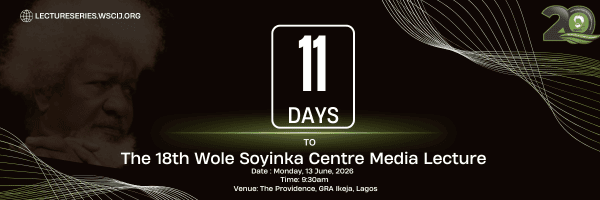
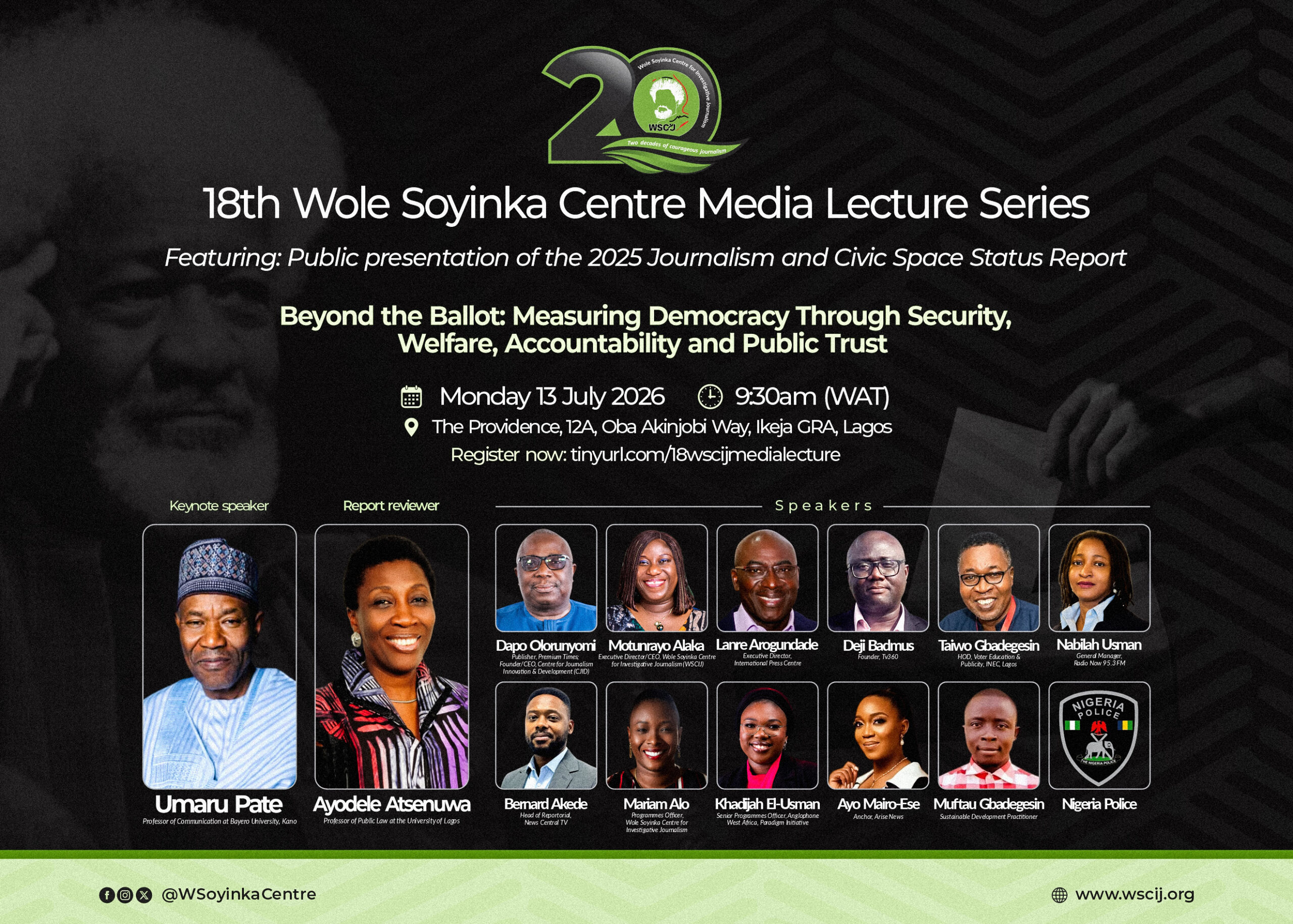
To mark the 92nd birthday of our Grand Patron Wole Soyinka, the Wole Soyinka Centre for Investigative Journalism (WSCIJ) will host its 18th Annual Media Lecture Series on July 13, 2026, in Lagos. This year’s event, themed “Beyond the Ballot: Measuring Democracy Through Security, Welfare, Accountability and Public Trust,” shifts the focus from electoral cycles to actual governance outcomes for citizens. The occasion will feature a keynote address by Umaru Pate, Professor of Communication at Bayero University, Kano; followed by a high-level panel conversation among policymakers, civic actors, and journalists.
The Public Presentation of the 2025 Journalism and Civic Space Status Report
Additionally, the event will include the public presentation of WSCIJ’s 2025 Journalism & Civic Space Status Report, an evidence-based report tracking media freedom and public accountability, to be reviewed by Ayodele Atsenuwa, Professor of Public Law at University of Lagos. This builds on previous editions which have documented developments in Nigeria’s civic space over time, including Hushed Voices and the Media’s Defence of Civic Space (2022), Hushed Voices in an Election Year (2023) and Shrinking Freedoms (2024). The session will provide reflections on the state of civic space, media freedom, and democratic accountability in Nigeria while creating space for dialogue on the challenges and opportunities shaping citizen participation, institutional transparency, and the future of Nigeria’s Civic Space.
Register to attend or learn more about the lecture series here
Inside WSCIJ
WSCIJ Hosts CMEDIA Masterclass on Funding, Partnerships, and Newsroom Resilience for Local Editors
The Wole Soyinka Centre for Investigative Journalism (WSCIJ) has successfully hosted its Collaborative Media Engagement for Development, Inclusivity and Accountability (CMEDIA) project masterclass. The specialised training session, themed ‘Sustaining Impact: Funding, Partnerships, and Newsroom Resilience,’ took place on Tuesday, 30 June 2026, bringing together newsroom leaders from across Nigeria. The masterclass provided local editors, managing editors, and editors-in-chief with a practical platform to explore innovative revenue diversification, strategic partnership models, and long-term sustainability frameworks designed to withstand current financial pressures and evolving media landscapes. Through this initiative, WSCIJ successfully equipped participants with actionable insights to strengthen independent, public-interest journalism and enhance organizational resilience within their respective newsrooms.
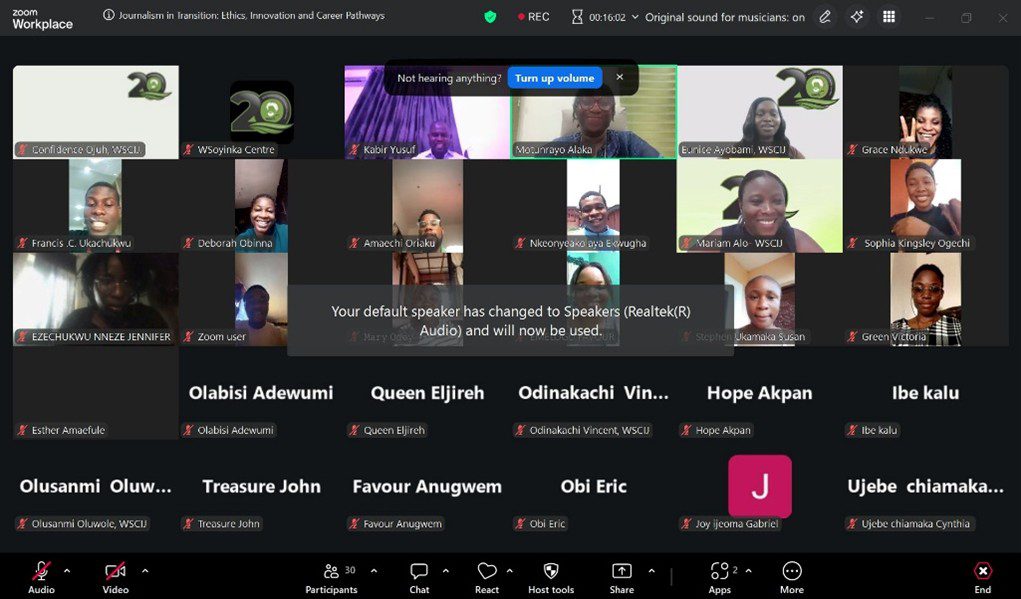
South-East Students Trained in Ethical and Investigative Journalism Through WSCIJ Pro-Engage
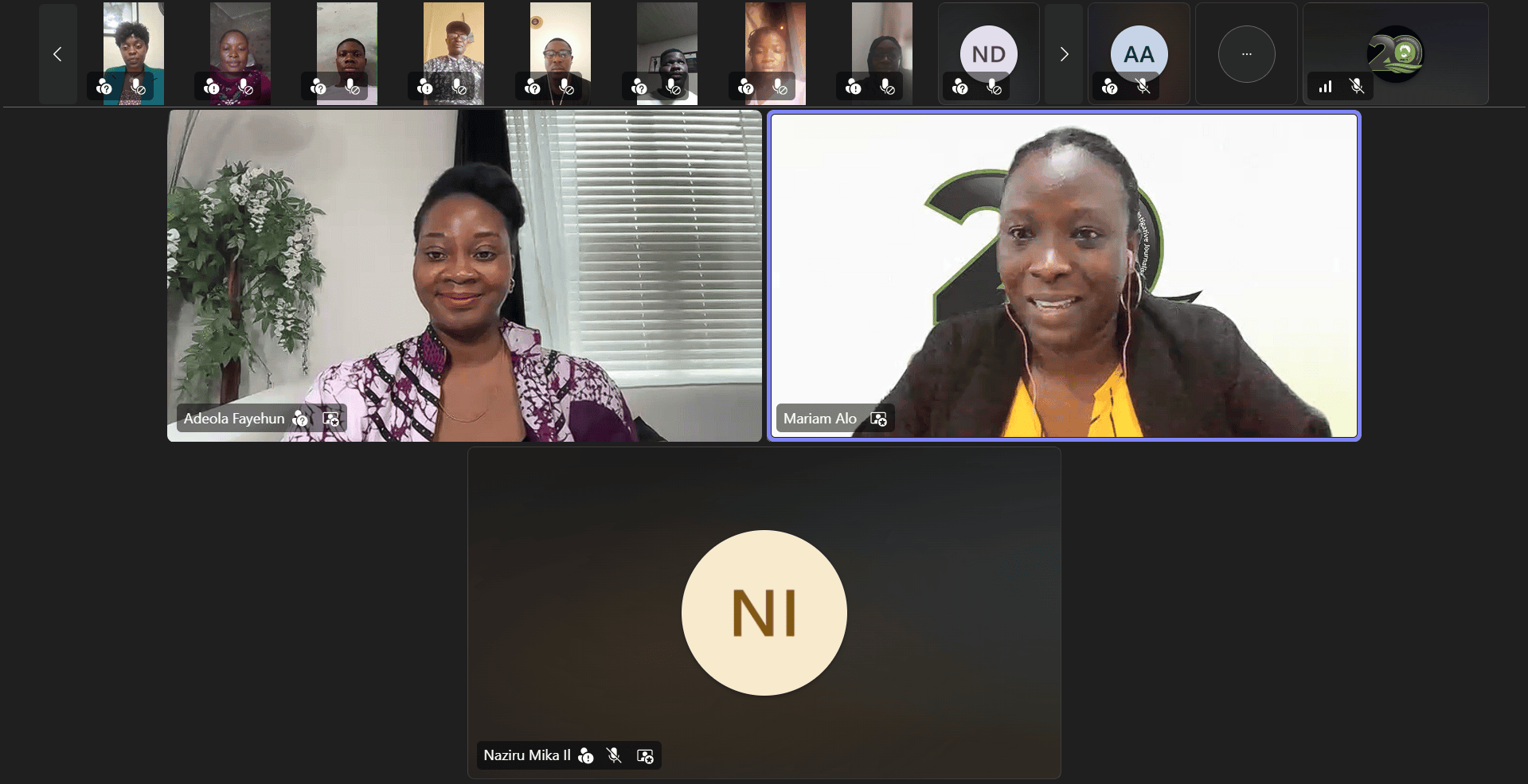
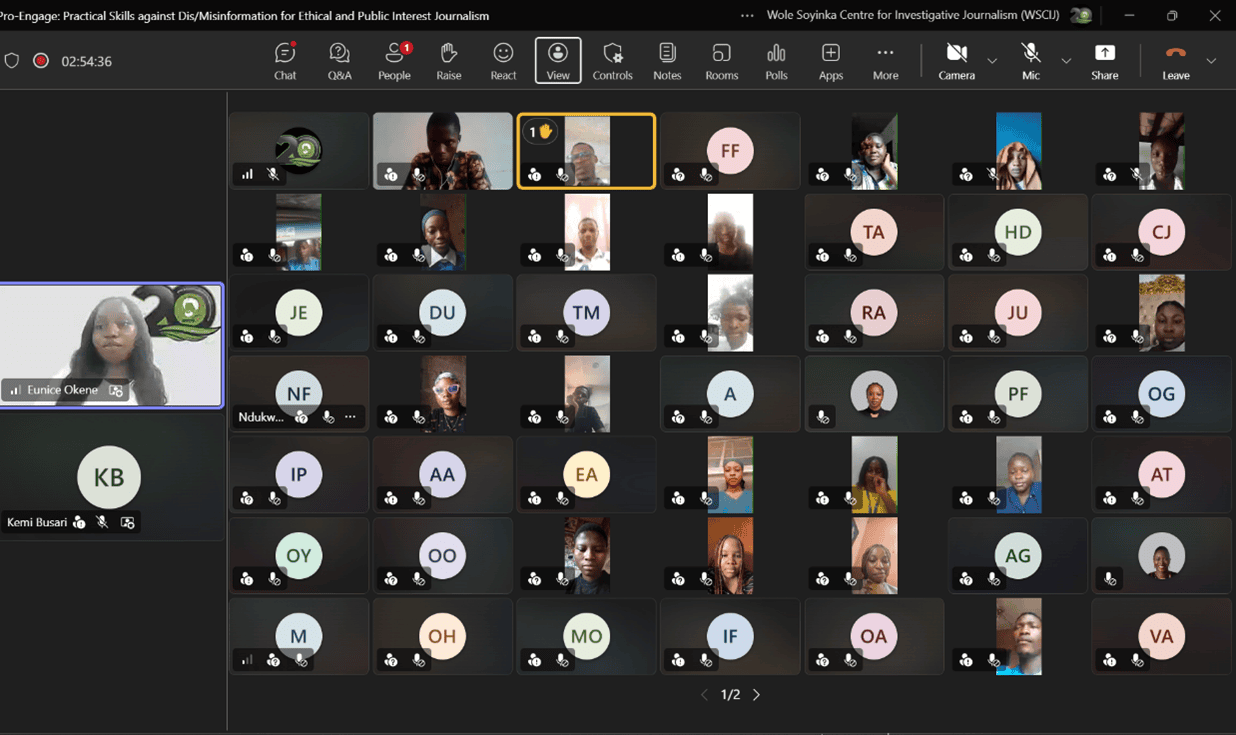
The Wole Soyinka Centre for Investigative Journalism (WSCIJ) has concluded the South-East edition of its flagship student engagement initiative, Pro-Engage. Held virtually on Thursday, 25 June and Friday, 26 June, 2026, under the sub-theme “Journalism in Transition: Ethics, Innovation and Career Pathways,” the two-day training provided emerging journalists with critical, real-world skills beyond the traditional classroom. Building on the momentum of the previous Northern Nigeria edition, the programme paired media ethics and social responsibility with modern innovation. Guided by industry leaders Motunrayo Alaka (Executive Director/CEO, WSCIJ) and Kabir Yusuf, a seasoned investigative journalist, the students participated in interactive debates, a hands-on digital data-gathering lab, and an exclusive career mentorship chat.
WSCIJ Conducts Civic Space Guard Holistic Safety Workshop for Investigative Reporters
The Wole Soyinka Centre for Investigative Journalism (WSCIJ) organised a two-day virtual Civic Space Guard Holistic Safety Workshop on Thursday, 18 June, and Friday, 19 June 2026. The masterclass brought together 25 investigative reporters from across Nigeria to address the overlapping physical, digital, legal, and psychological risks associated with investigative and accountability-driven journalism. Led by WSCIJ Executive Director/CEO Motunrayo Alaka, alongside industry experts Idris Akinbajo (Premium Times), Yusuf Alli (The Nation), Stefan Akinnimi (WSCIJ), and Chinyereugo Onyekwere (NEEM Foundation), the training equipped participants with layered safeguards, ranging from risk-assessment planning and legal defensibility to advanced digital security protocols and psychological resilience strategies. The workshop concluded with an interactive session where journalists committed to stepping down the critical safety practices within their respective newsrooms to help protect both themselves and the integrity of the civic space.
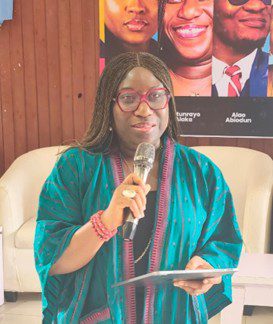
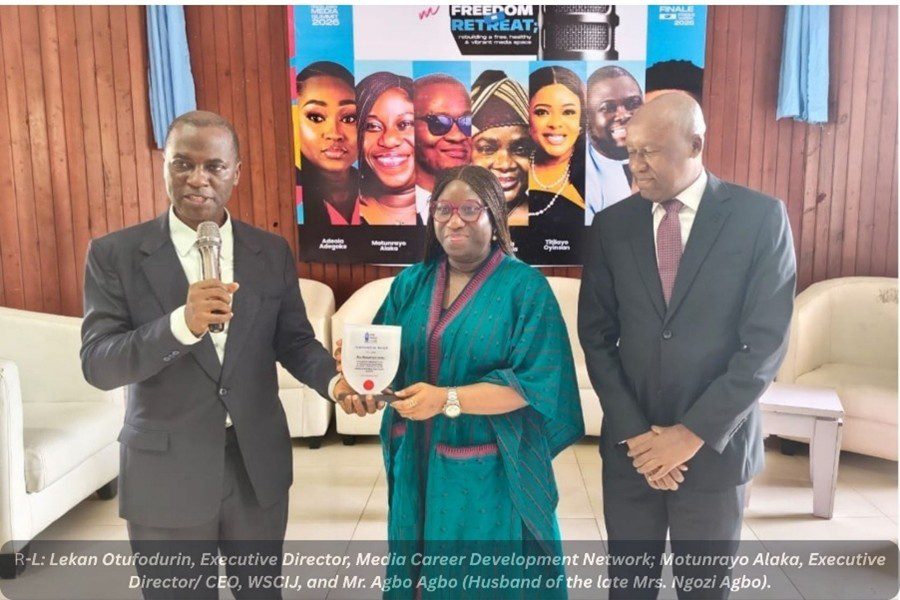
Rebuilding the Media Space: Motunrayo Alaka Delivers Keynote Address at the 9th Ngozi Agbo Lecture
On Saturday 13 June, Motunrayo Alaka, Executive Director/CEO of the Wole Soyinka Centre for Investigative Journalism (WSCIJ), delivered a powerful keynote address at the 9th Ngozi Agbo Media Lecture and Summit, hosted by the University of Lagos (UNILAG) Press Club. Speaking on the critical theme, “Press Freedom in Retreat: Rebuilding a Free, Healthy and Vibrant Media Space,” she highlighted the escalating global and local threats to journalism, including economic pressures, digital surveillance, and safety violations, while drawing on key insights from WSCIJ’s Journalism and Civic Space Status Report. Despite these challenges, she shared an optimistic vision for the future, championed by breakthroughs in data journalism, tech-driven accountability, and collaborative reporting. She urged stakeholders to fiercely protect media independence from censorship disguised as regulation, declaring that “journalism is democratic infrastructure.” Motunrayo was honoured with a special commendation plaque for her keynote address.
Read the full keynote address here
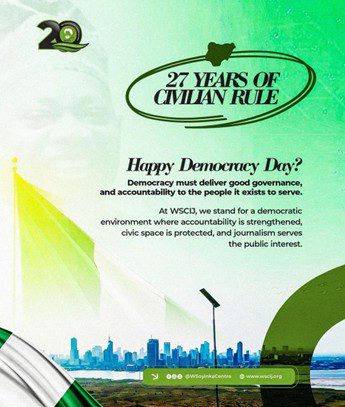
Democracy Day 2026: WSCIJ Calls for Governance that Works for the People
Marking 27 years of uninterrupted civilian rule on Democracy Day, the Wole Soyinka Centre for Investigative Journalism (WSCIJ) issued a strong call for governance that truly works for the people, stating that Nigerians deserve better than the current realities of rising insecurity, economic hardship, and shrinking civic freedoms and pointing to alarming statistics, including a 63% multidimensional poverty rate and a historic drop in voter turnout to just 26.72% in 2023. In anticipation of the upcoming annual lecture and the public presentation of the 2025 Journalism & Civic Space Status Report on Monday, July 13, 2026, the Centre urged the government to prioritise security and economic relief, and also called on the Independent National Electoral Commission (INEC), to guarantee electoral integrity, while challenging citizens to reject apathy by demanding accountability beyond the ballot box. WSCIJ ultimately reminded public officials that the sacrifices of June 12 must be honoured through transparent actions and a democratic system that delivers tangible dignity, justice, and prosperity to all Nigerians.
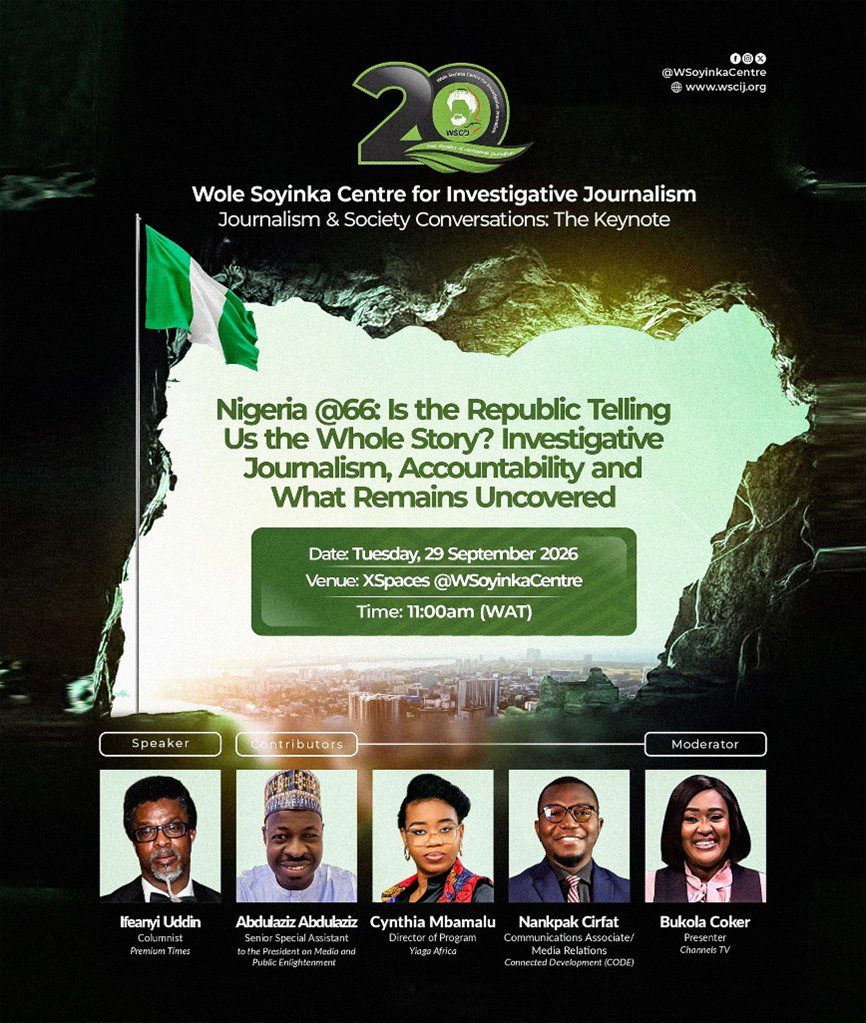
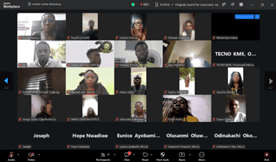
Prior to Democracy Day, the Wole Soyinka Centre for Investigative Journalism (WSCIJ) hosted its June 2026 Journalism & Society Conversations, bringing together stakeholders to dialogue and tackle the issue of voter apathy ahead of the 2027 elections. Panellists highlighted that rising insecurity, economic hardship, and dwindling public trust have severely weakened citizen participation since the historic high-turnout era of June 12, 1993. To reverse this trend, the stakeholders called for a united front: urging INEC to enhance institutional transparency, demanding that civil society monitor governance between election cycles, and charging the media to combat misinformation. Ultimately, the session emphasised that rebuilding public confidence through accountable governance and sustained civic education is vital to restoring the heart of Nigeria’s democracy.
Journalism Today
Insecurity, Civic Space and Media’s Agenda-Setting Role
Around the world, citizens are increasingly judging democracy not only by elections but by the ability of governments to guarantee security, protect rights, deliver public services, and earn public trust. As civic space comes under pressure globally, the media’s role in holding power accountable and keeping critical issues in the public consciousness has become more important than ever.
In Nigeria, recent protests over insecurity reflect growing public concerns about the state’s capacity to protect lives and property. The abduction of pupils in Oyo State, alongside other kidnapping incidents across the country, has reignited fears about the safety of communities and the effectiveness of security responses. Earlier incidents, including the kidnapping of schoolchildren in Ekiti State in 2024, the Dapchi girls in 2018 in Yobe State and the Chibok girls in 2014 in Borno State, serve as reminders that insecurity remains a persistent national challenge.
For journalism, these incidents should not be treated as isolated events that disappear from public attention once victims are rescued or protests end. Rather, they should prompt sustained reporting that examines the underlying causes of insecurity, tracks government responses, and demands accountability from public institutions.
At the Wole Soyinka Centre for Investigative Journalism (WSCIJ), we believe that journalism’s responsibility extends beyond reporting breaking news. Through investigative, data-driven, and public-interest reporting, journalists can help ensure that issues affecting citizens’ safety, welfare, and rights remain on the public agenda until meaningful action is taken.
In a democracy, journalism must not only tell society what happened; it must continually ask why it happened, what has changed, and who is accountable. That is how the media strengthens civic space, promotes public trust, and contributes to democratic governance.
Investigative Stories
Shrinking Civic Space: When Accountability Reporting Triggers State Retaliation
Can journalists safely investigate corruption, insecurity, and illicit networks without becoming targets themselves? This WikkiTimes investigation, supported by WSCIJ under the Collaborative Media Engagement for Development Inclusivity and Accountability (CMEDIA) project, examines the dangers confronting journalists who expose issues of significant public interest.
After publishing investigations into terrorism financing and illegal mining activities in Niger State, WikkiTimes Editor-in-Chief Aminu Abubakar and members of his family reportedly faced threats that raised serious concerns among press freedom advocates. The investigation reveals broader challenges facing Nigeria’s civic space, where the use of law enforcement mechanisms against journalists can discourage scrutiny of corruption, insecurity, and governance failures. At its core, the story is a reminder that safeguarding press freedom is essential to ensuring transparency, accountability, and democratic participation.
Power and the Press: When Holding Leaders Accountable Comes at a Cost
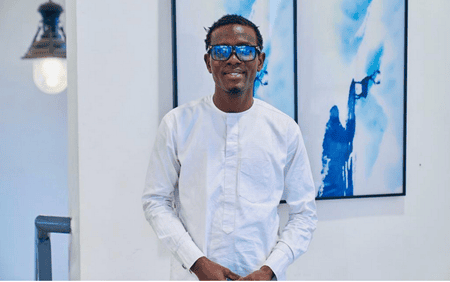
When journalists ask difficult questions and power responds with intimidation instead of accountability, independent reporting is pushed into an increasingly hostile civic space. This WikkiTimes investigation, supported by WSCIJ under the Collaborative Media Engagement for Development Inclusivity and Accountability (CMEDIA) project, shines a light on the growing threats confronting independent journalism in Nigeria’s civic space.
Following critical reporting on governance issues in Bauchi State, WikkiTimes Publisher Haruna Mohammed Salisu became the target of direct threats allegedly linked to the state’s political establishment. The investigation raises urgent questions about freedom of expression and the health of a democracy where the press can operate without fear. As civic space contracts under mounting pressure, the story underscores the importance of protecting independent media as a cornerstone of democratic accountability.
Voices from the Field
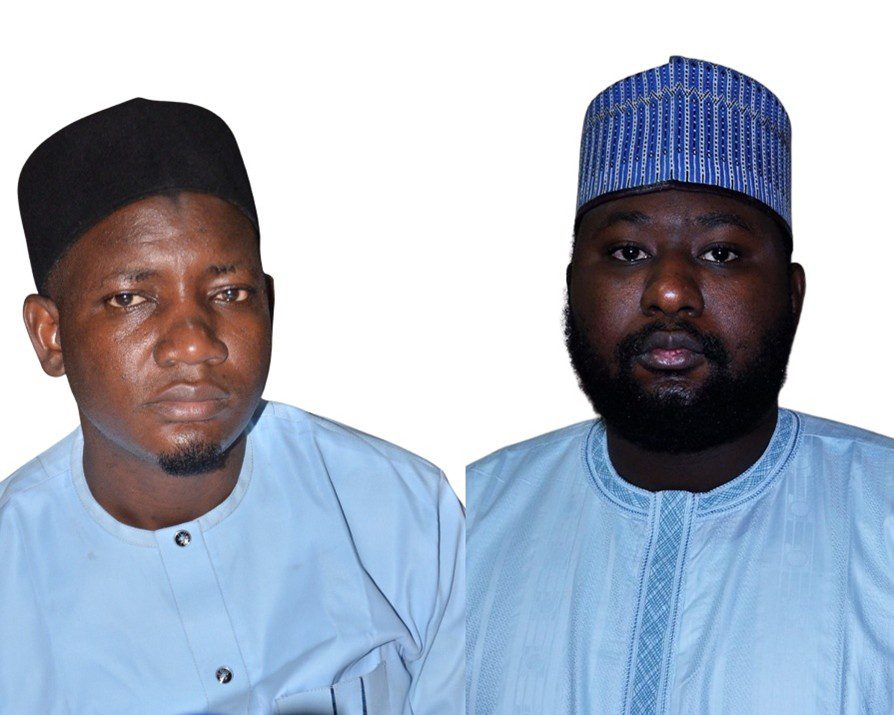
Daniel Ojukwu
Daniel Ojukwu is a Nigerian investigative journalist known for his bold, undercover-driven reporting on institutional accountability, corruption, and civic space violations. As a correspondent with the Foundation for Investigative Journalism (FIJ), his work consistently interrogates how state systems function in practice, often exposing the gap between official processes and lived realities.
One of his most notable investigations, “UNDERCOVER: With N45,000, I Got Valid Police Character Certificate for Kirikiri Prison Inmate,” which emerged as a runner-up in the 2024 Wole Soyinka Centre for Investigative Journalism Awards (Online category) revealed disturbing loopholes in Nigeria’s policing and documentation systems, raising questions about integrity and public trust in state institutions.
Beyond his reporting, Ojukwu has also directly experienced the civic space constraints he investigates. His 2024 arrest and detention by the Nigerian police following a critical investigation into alleged financial mismanagement linked to a federal government development initiative drew significant concern from press freedom advocates, further underscoring the shrinking space for independent journalism in Nigeria.
Adefemi Akinsanya
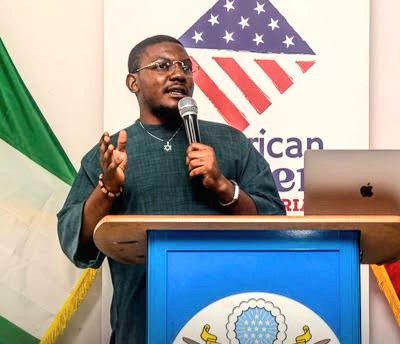
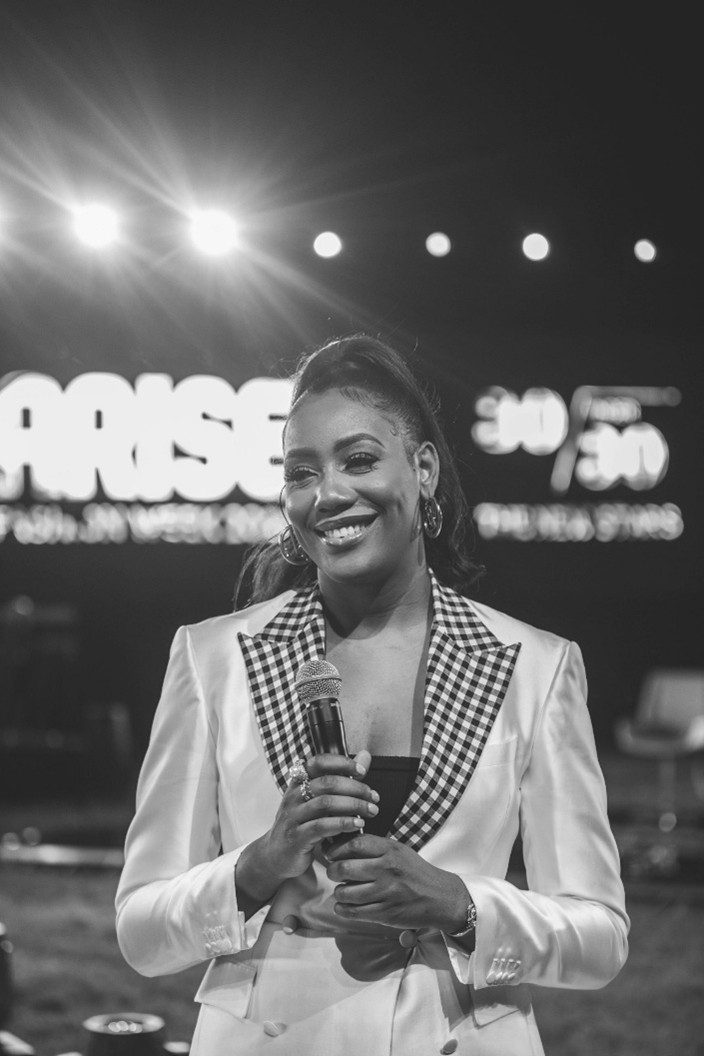
Adefemi Akinsanya, a Nigerian broadcast journalist who has worked with some of the world’s leading news networks, including Al Jazeera, Reuters, Sky News and TRT World and is an International Correspondent and Anchor at Arise News based in Lagos, Nigeria. She has built a reputation in investigative reporting, field journalism, and co-hosting the Arise News flagship programme, The Morning Show. In addition, Adefemi is a 2023 Fellow at the Nieman Foundation for Journalism at Harvard University.
She reported live from the Ukrainian border following Russia’s 2022 invasion, detailing the refugee crisis and highlighting racial disparities during evacuation efforts. However, her reporting took a deeply personal turn during coverage of the Lekki Tollgate Memorial Car Procession, where she was on ground as part of the Arise TV team documenting the aftermath of the #EndSARS movement and ongoing concerns around police conduct. While reporting, Adefemi and her team were subjected to heavy-handed policing, an experience that underscores the risks journalists face while documenting civic space infractions in real time.
Her experience reflects a broader pattern where journalists reporting on state accountability and public protests are increasingly exposed to intimidation and operational restrictions.
AI in Investigative Journalism

Fake News Debunker: VeraAI
VeraAI is an AI-powered verification tool that helps journalists detect misinformation and verify online content. It can be used to analyse images, videos, and social media posts, helping reporters identify manipulated content and trace original sources before publishing a story.
How to use this tool:
Add the VeraAI Plugin extension to your browser
Upload an image, video, or provide a URL.
Analyse the content for signs of manipulation.
Perform reverse searches to trace the original source.
Compare findings with trusted sources.
Verify all information before publication.
Why Your Support to WSCIJ Matters
In an increasingly volatile global environment, the intersection between geopolitics and everyday economic realities is becoming more pronounced. For countries like Nigeria, shifts in global energy dynamics have immediate and profound implications for citizens’ livelihoods. Yet, the systems that translate global developments into local outcomes remain opaque. The Wole Soyinka Centre for Investigative Journalism is uniquely positioned to strengthen accountability at this intersection. Through capacity building, investigative reporting support, and civic engagement, WSCIJ enables journalists to:
Interrogate complex economic systems
Track public and private sector accountability
Bridge global developments with local realities
Investment in WSCIJ is an investment in clarity, accountability, and the public’s right to know.