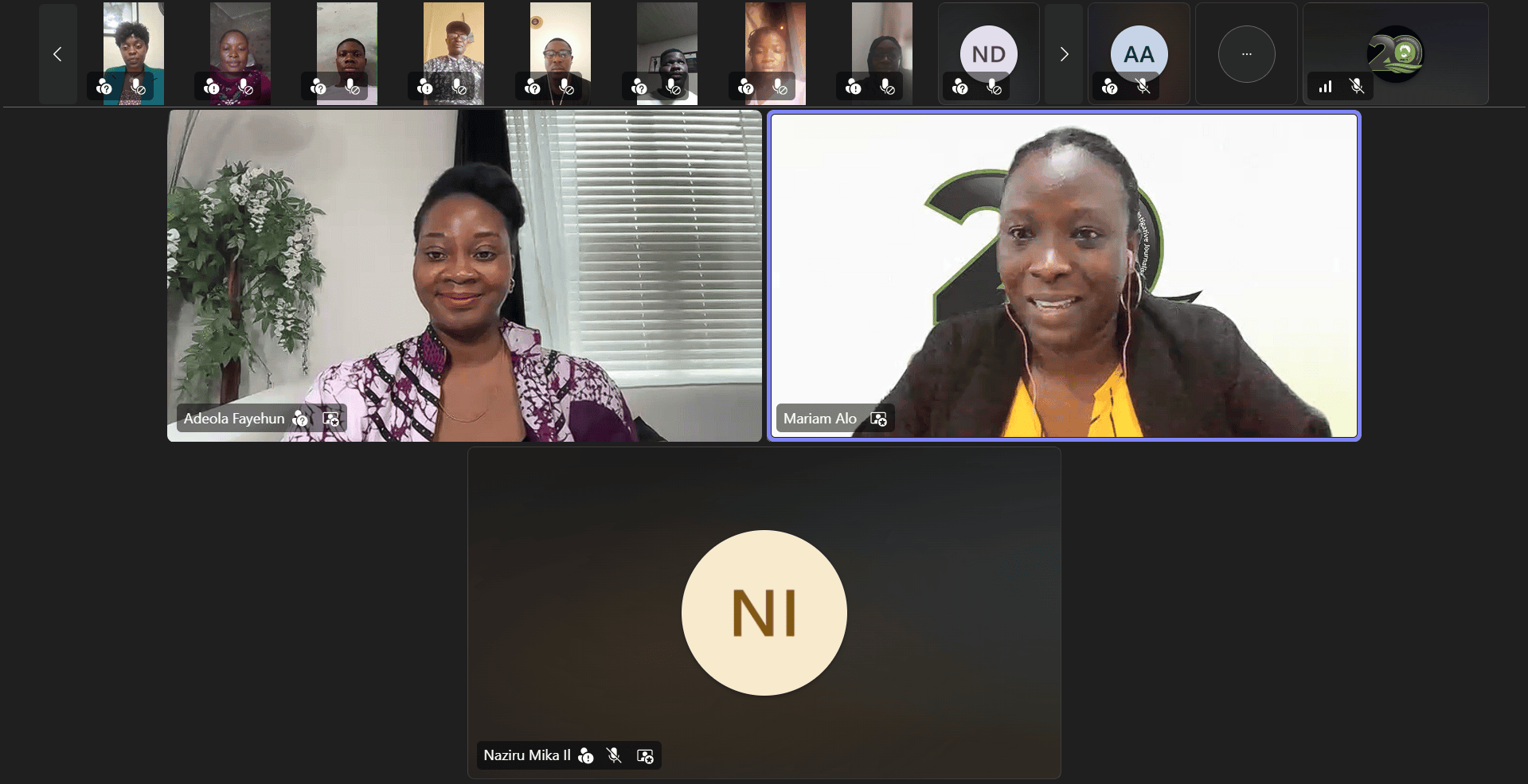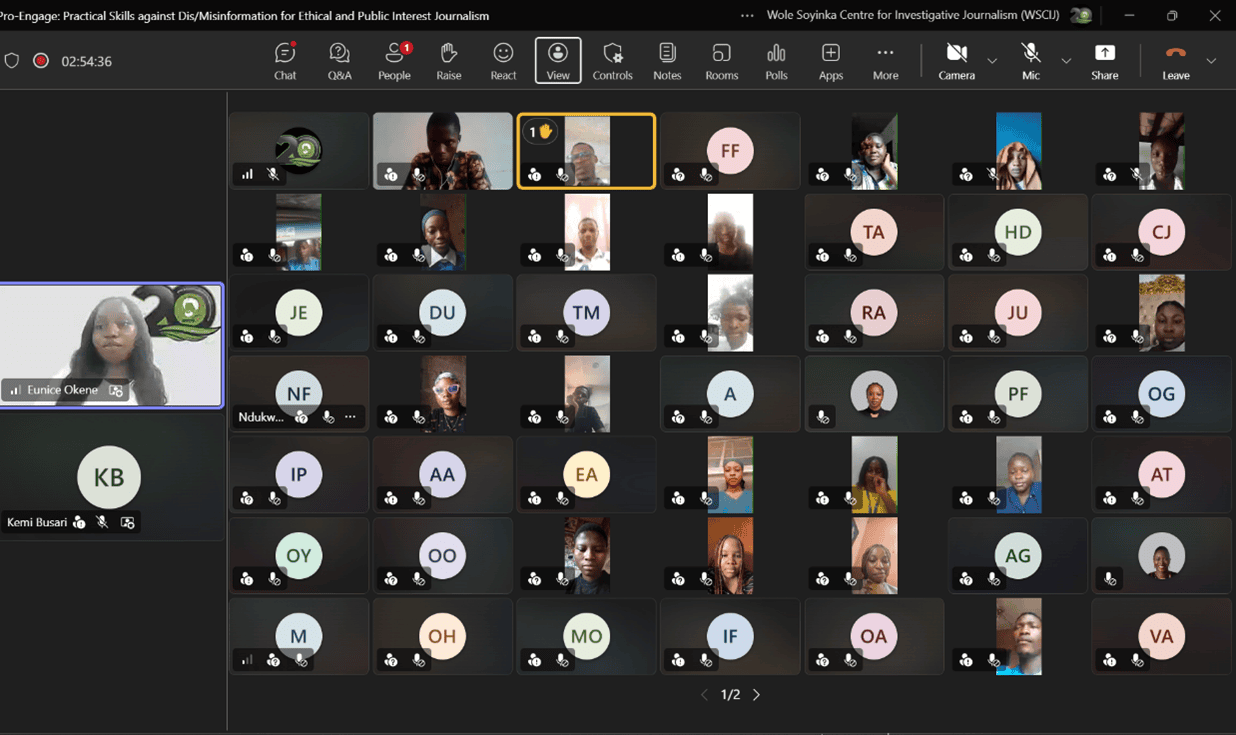
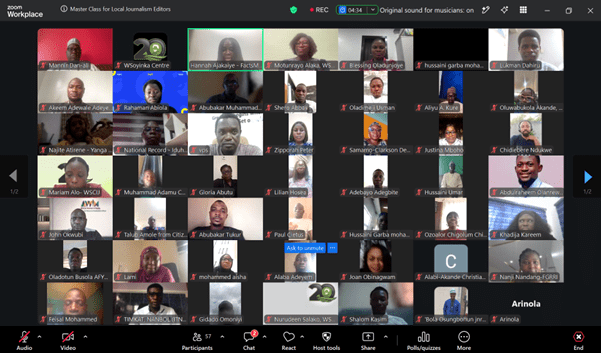
As part of its commitment to building resilient and sustainable newsrooms, the Wole Soyinka Centre for Investigative Journalism (WSCIJ), through its Collaborative Media Engagement for Development, Inclusivity and Accountability (CMEDIA) convened editors from various newsrooms across Nigeria for a virtual masterclass on Tuesday, 30 June 2026.
The masterclass, themed ‘Sustaining Impact: Funding, Partnerships and Newsroom Resilience,’ provided a platform for editors and newsroom leaders to explore practical strategies for sustaining public-interest journalism amid shrinking donor support, evolving media ecosystems and increasing financial pressures.
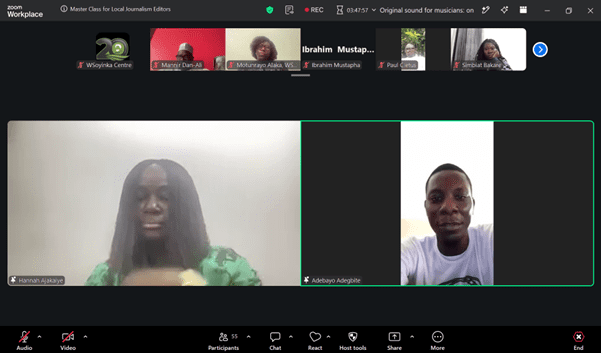
Opening the learning sessions, Motunrayo Alaka, Executive Director/CEO of WSCIJ, facilitated an experience-sharing session titled “Lessons from CMEDIA 1.0: The Sustainability Question for Local Journalism.” Reflecting on WSCIJ’s own organisational journey, she stressed that sustainability begins with consistency. “People give value and they support what they trust. You must be consistent. Consistency is where many of us fail. Once you start, you have to be consistent; you have to show up.“
She also emphasised that sustainability should not be viewed solely as financial survival but as newsrooms ability to preserve editorial independence, remain accountable to their audiences, and continue producing public-interest journalism despite changing funding realities. Drawing from WSCIJ’s experience implementing CMEDIA, Alaka encouraged editors to adopt long-term thinking, strengthen internal systems, invest in partnerships, and continuously innovate to remain relevant within the media eco-system.
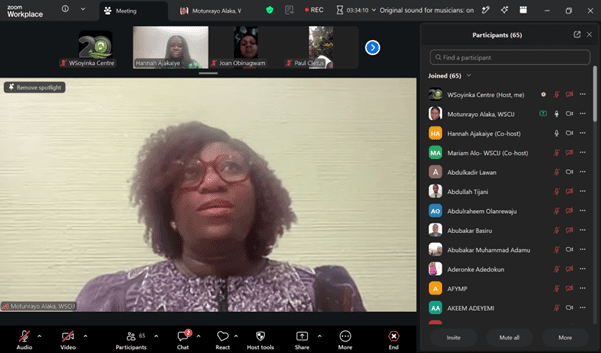
Speaking on building resilient media organisations, “Newsroom leaders are required to commit to long-term institutional development rather than pursuing short-term funding opportunities. Editors must establish sound governance structures, strengthen editorial systems, cultivate loyal audiences, and invest deliberately in partnerships that create lasting value.” She added.
The session also featured an interactive industry pulse check, where editors reflected on how their organisations would respond if donor funding declined significantly. The discussion highlighted common concerns around staffing, operational costs, investigative reporting, and maintaining editorial quality, while reinforcing the importance of developing diversified income sources and stronger institutional resilience.
Building on these conversations, Mannir Dan-Ali, former CEO/Editor-in-Chief, Daily Trust Newspapers, delivered an experience-sharing session on “Tips for Building a Sustainable Media Business Beyond Donor Funding”. Drawing from decades of leadership at Daily Trust, he urged newsroom leaders to build organisations anchored on clear missions, strong systems, and uncompromising editorial independence.
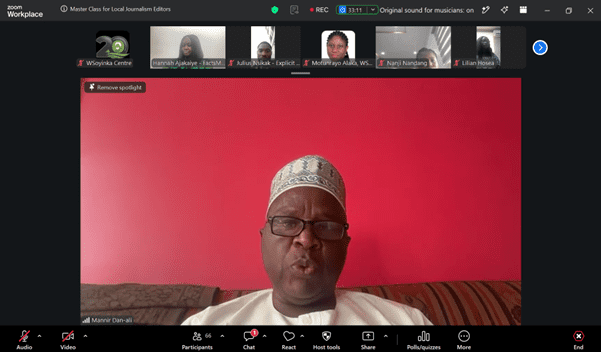
According to Dan-Ali, sustainability begins with organisational discipline. He advised participants that newsroom missions and vision statements should not remain aspirational documents but should guide daily decision-making, financial planning, and organisational culture.
Speaking on revenue generation, Dan-Ali encouraged editors to diversify their business models beyond grants by identifying opportunities aligned with their editorial strengths. Drawing inspiration from Daily Trust, he pointed to examples such as commercial services, events, audience-supported journalism, and strategic business innovations, noting that successful media organisations continually experiment with new revenue streams while protecting editorial credibility.
He warned against compromising editorial independence for short-term financial gains, cautioning that excessive dependence on political patronage or transactional relationships with public officials weakens public trust. Instead, the veteran encouraged editors to remain focused on producing credible, original journalism that serves communities and builds lasting audience confidence. “When you are doing something good,” he noted, “people will beat a path to your door.”
Dan-Ali also argued that resilience depends on a newsroom’s willingness to evolve alongside changing technologies and audience expectations. He encouraged editors to remain audience-focused, invest in quality journalism, and create systems capable of outlasting individual leaders.
The masterclass concluded with a leadership conversation between Alaka and Dan-Ali on navigating funding uncertainty, where participants explored difficult leadership decisions, organisational adaptation, and practical approaches to sustaining public-interest journalism during periods of financial instability.
Through the CMEDIA project, WSCIJ continues to equip newsroom leaders with the knowledge, networks, and practical tools needed to build sustainable media organisations capable of producing impactful journalism that serves the public interest. The conversation on strengthening journalism and democratic accountability will continue at the forthcoming 18th Wole Soyinka Media Lecture Series.