A screening of the documentary ‘Mother City’ has sparked renewed calls for stronger collaboration among journalists, researchers and civil society actors to address forced evictions and housing injustice in rapidly growing cities. The issues explored in the film, set in Cape Town, South Africa, echo similar concerns in cities such as Lagos, where communities like Otodo-Gbame, Makoko, and Ilaje-Bariga have faced demolitions and displacement.
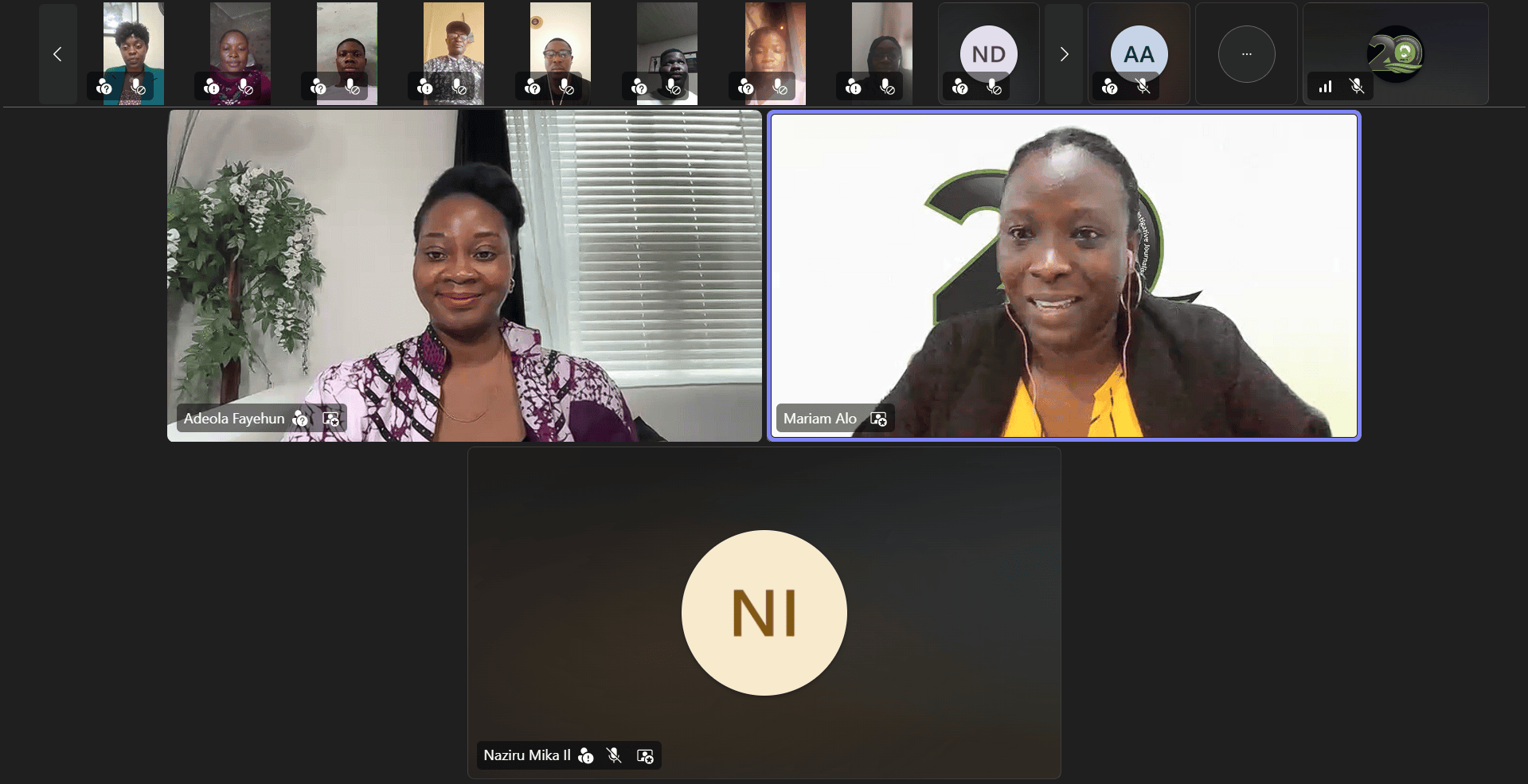
Speaking at the event, Mariam Alo, Programme Officer at the Wole Soyinka Centre for Investigative Journalism, highlighted the Centre’s longstanding commitment to supporting journalists to investigate and report on forced evictions and housing-related issues. She noted that sustained journalism is essential for documenting the experiences of affected communities and ensuring accountability in urban governance.
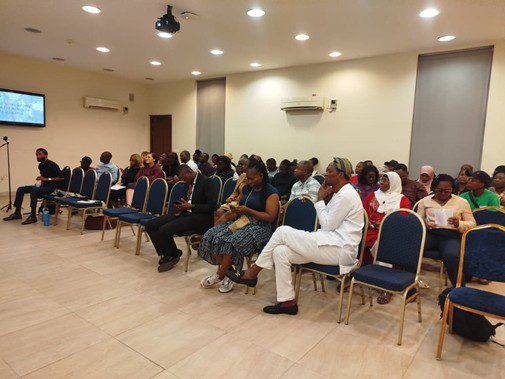
The screening, held on 11 March 2026 at the University of Lagos, was organised by Heinrich Böll Foundation, Abuja in collaboration with the University of Lagos, Centre for Housing and Sustainable Development, Rethinking Cities and the African Cities Research Consortium, bringing together journalists, academics, researchers and civil society actors to reflect on urbanisation, inequality and the urgent need for affordable housing.
The documentary follows the struggle for housing justice in Cape Town, showing how activists and residents challenge evictions, unequal urban development and the exclusion of low-income communities from Sea Point and other city centres.
In her opening remarks, Monika Umunna, Program Manager, Inclusive Cities, Heinrich Böll Foundation Abuja, explained that the screening was convened to explore how the media, academia, and civil society can contribute meaningfully to addressing the housing crisis. According to her, the goal is to encourage collaboration that helps shape public understanding of housing challenges while amplifying the perspectives and realities of affected communities.
Providing an overview of the documentary, Buhle Booi, Head of Organising, Ndifuna Ukwazi, spoke about the issues captured in the film, including the widely discussed Tafelberg eviction case in Cape Town, where debates around public land, housing inequality and temporary accommodation for displaced residents came to the fore.
The documentary illustrates how urban land policies and development priorities can push low-income residents out of cities, raising broader questions about who urban spaces are truly designed to serve.
Adding a Nigerian perspective, Professor Timothy Nubi, professor of housing and urban regeneration, reflected on Nigeria’s housing policies and their long-term impact. Referencing the Employee Housing Act of 1977, he noted that Nigeria once pursued large-scale housing initiatives such as Festac Town, asking: “If we continue with that vision, we must catalogue what has been achieved. Where is another Festac Town after 1977?” He also highlighted the role of the Structural Adjustment Programme in reshaping housing development patterns, noting that although the National Housing Fund was designed to support housing development, there is a need to reassess how effectively such mechanisms are working.
Attendees also reflected on the increasing trend of demolitions and forced evictions in expanding cities and the need to rethink how public land is managed. Many stressed that land designated as public should serve the broader public interest rather than excluding low-income communities from urban spaces.
The discussions concluded with a call for stronger engagement among journalists, researchers, academia and civil society organisations to build a more coordinated housing advocacy movement capable of advancing inclusive housing policies and creating cities that work for everyone.