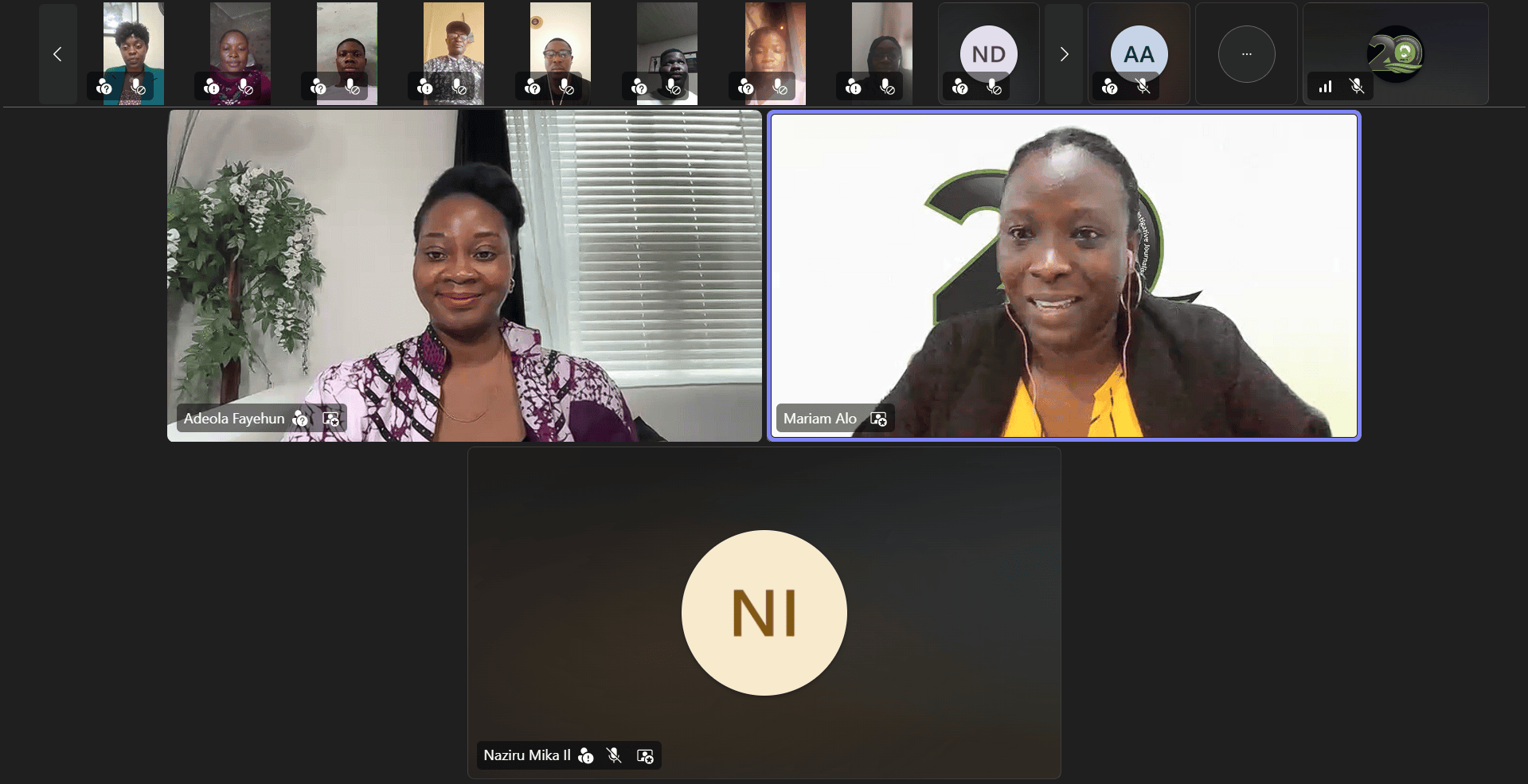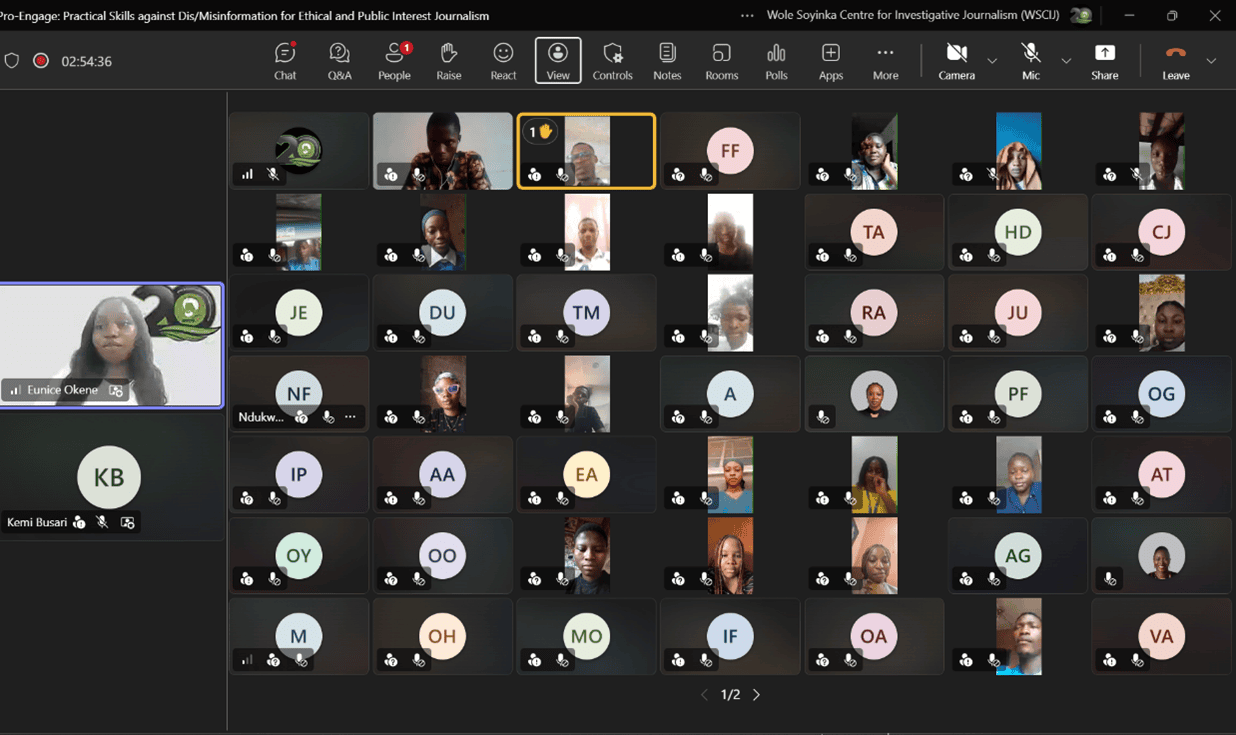
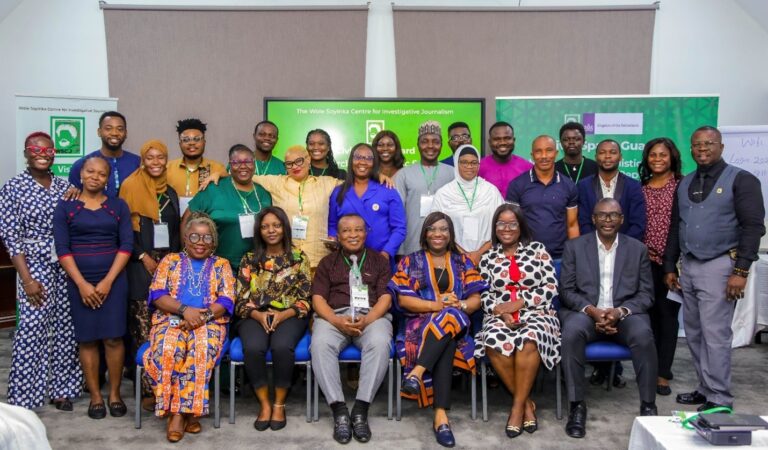
From physical protection to digital security, legal awareness, and mental well-being, 18 investigative reporters and journalism lecturers from across Nigeria have been equipped with the skills, tools, and knowledge to stay safe while doing their jobs at a two-day (3–4 November 2025) Masterclass on Holistic Safety for Investigative Reporters organised by the Wole Soyinka Centre for Investigative Journalism (WSCIJ), in Lagos.
Launched in 2021, the Civic Space Guard programme, under which the training was held, is supported by the Netherlands Embassy. The project is part of the Leveraging the Power of the Media to Fortify the Civic Space and Tackle Malinformation initiative, implemented in partnership with the Centre for Journalism Innovation and Development (CJID). In 2024, WSCIJ trained 18 investigative reporters across Nigeria under the same programme. The initiative equips journalists with the tools, training, and support needed to report safely, uphold accountability, and strengthen Nigeria’s democracy.
The distinguished resource persons with vast experience led sessions on holistic safety protocols, balancing ethics in investigative reporting, engaging law enforcement, understanding the security dimensions of misinformation, ensuring legal, physical, and mental safety, and securing data digitally in newsrooms, concluding with a train-the-trainer module.
Dayo Aiyetan, Executive Director, International Centre for Investigative Reporting (ICIR), facilitated sessions on holistic safety protocols and managing emergencies in investigative reporting. He shared 10 golden rules for safety and emphasised the importance of risk assessment, urging every investigative journalist to conduct one before taking on any story. He said, “Your digital footprint can reveal more than you think. You cannot be an investigative journalist and live your life on social media.” Aiyetan called on media houses to provide insurance cover for investigative journalists and dedicate part of their investigative budgets to safety.
For David Ajikobi, Nigeria Editor, Africa Check, humility is one of journalism’s most underrated safety nets. He explained that fact-checking protects both credibility and confidence, but being willing to make mistakes and correct them builds even stronger trust. His session, understanding the security dimensions of misinformation, explored how digital verification and editorial rigour prevent harm in reporting sensitive investigations.
Yusuf Alli, Managing Editor, Northern Operations, The Nation, took the conversation deeper, linking safety to integrity. “Clear, correct, complete,” he said, describing what every story must be. He urged reporters to avoid shortcuts and ensure every report is balanced, factual, and fair. “Knowing the law and avoiding legal pitfalls is as important as gathering facts,” he said, warning against slander, defamation, and privacy violations.
Drawing on her field experience, Juliana Francis, Publisher, Security News Alert, shared practical guidelines for journalists to engage with security agencies. She urged reporters to recognise the importance of building professional, trustworthy relationships with these agencies, while maintaining ethical standards.
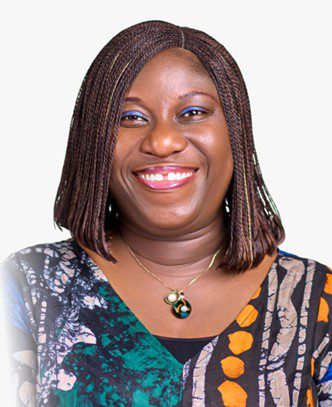
Part of WSCIJ’s mission is to train and support young journalists. Contributing after a panel session on balancing ethics in investigative reporting, our Executive Director/CEO, Motunrayo Alaka, stressed the need to mentor the next generation of journalists to grow into ethical and courageous professionals. “Mentorship should go beyond skills – it should build values, ethics, and resilience.” She also emphasised the importance of collaboration with academia and other stakeholders to help bloggers, influencers, and content creators understand basic media ethics and accountability.
On his part, Mayowa Tijani, Director of Projects, TheCable, brought the digital side of safety to life. He urged journalists to be intentional about online protection, from using password managers like Google Password Manager to create strong, memorable passphrases unique to their context. “Use names that are not personally linked to you,” he cautioned. “Update your software and never underestimate how much your digital habits can expose you.”
Thank God Ocheho, Head of Psychology, NEEM Foundation, helped participants unpack trauma, stress, and mental fatigue that come with the job. “Harassment reflects the perpetrator’s behaviour – not your words,” he told the room. He advised participants to manage stress by expressing their emotions through journaling or videos, taking short recovery breaks, seeking regular professional or peer support, and prioritising mental well-being. “Looking after your mind,” he added, “is professional wisdom.
Passing it on – sustaining the impact, echoed in the train-the-trainer session. Chinedum Oluwadamilola, Principal Partner, The Pedagogy Hub, guided participants through step-down strategies to share what they have learned with their newsroom teams and students. Her session underlined why sharing knowledge multiplies impact, builds accountability, enhances retention, and prepares journalists for future leadership roles. “Set clear objectives, assess learners’ needs, communicate effectively, and master your materials,” she said
Participants lauded the WSCIJ for its consistent commitment to the safety and professional development of journalists. They described the training as timely and impactful, noting that the lessons learned will strengthen their approach to investigative reporting and newsroom leadership.
To close the two-day training, Francis Esenwa, Programme Associate at WSCIJ, who coordinated the event, encouraged participants to take advantage of WSCIJ’s psychosocial support available to journalists. Interested investigative reporters can click the link to apply. Last year, 22 investigative journalists received mental support through this initiative, and this year, over 18 have benefited, with plans to onboard more.
As part of our broader mission, under the Civic Space Guard project, WSCIJ has published three reports on the state of Nigeria’s civic space. These included “Shrinking Freedoms – A 2024 Journalism and Civic Space Status Report”, presented last month; the 2023 report, “Hushed voices in an election year and the 2022 edition, “Hushed voices and the media’s defence of civic space”. On 21 November 2024, we convened a high-level meeting in Abuja, bringing together heads of security agencies, the judiciary, media leaders, and other civic actors to discuss measures to improve journalist safety and strengthen Nigeria’s civic space.
Signed
Wole Soyinka Centre for Investigative Journalism