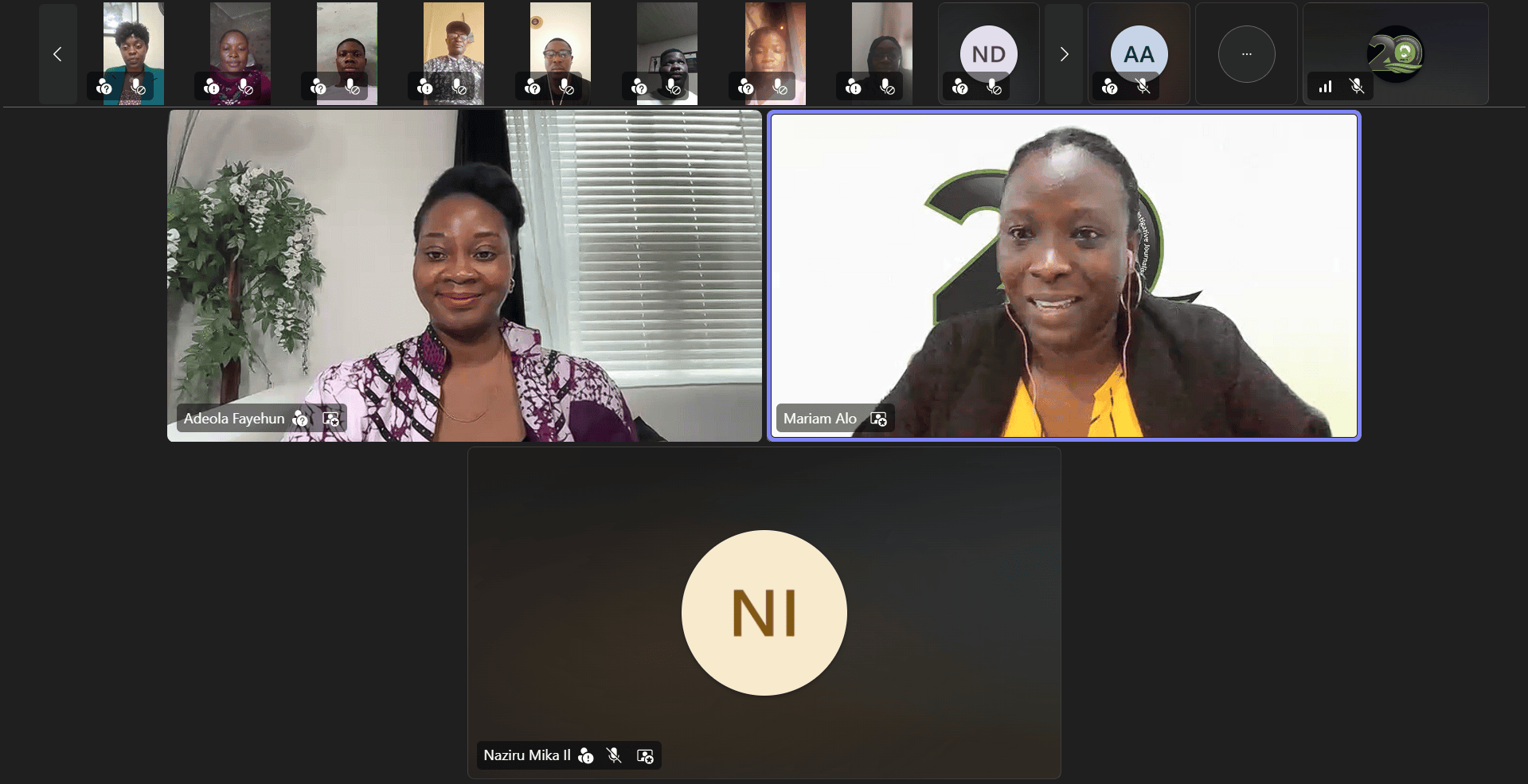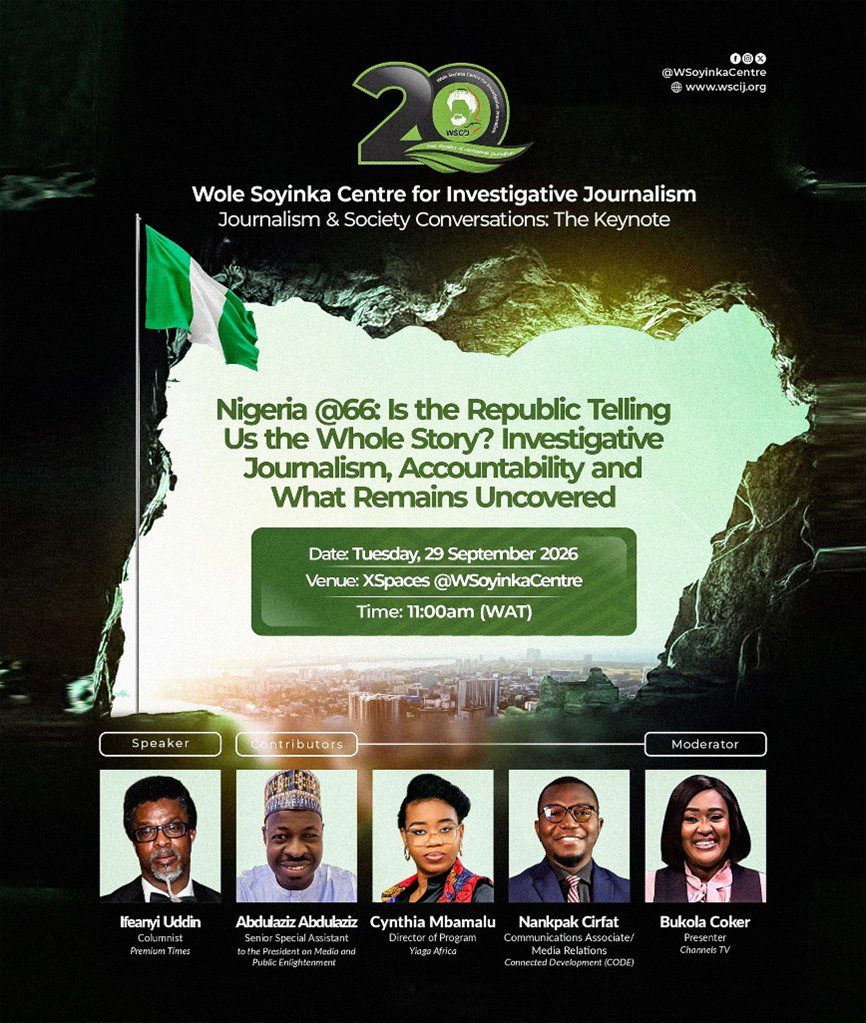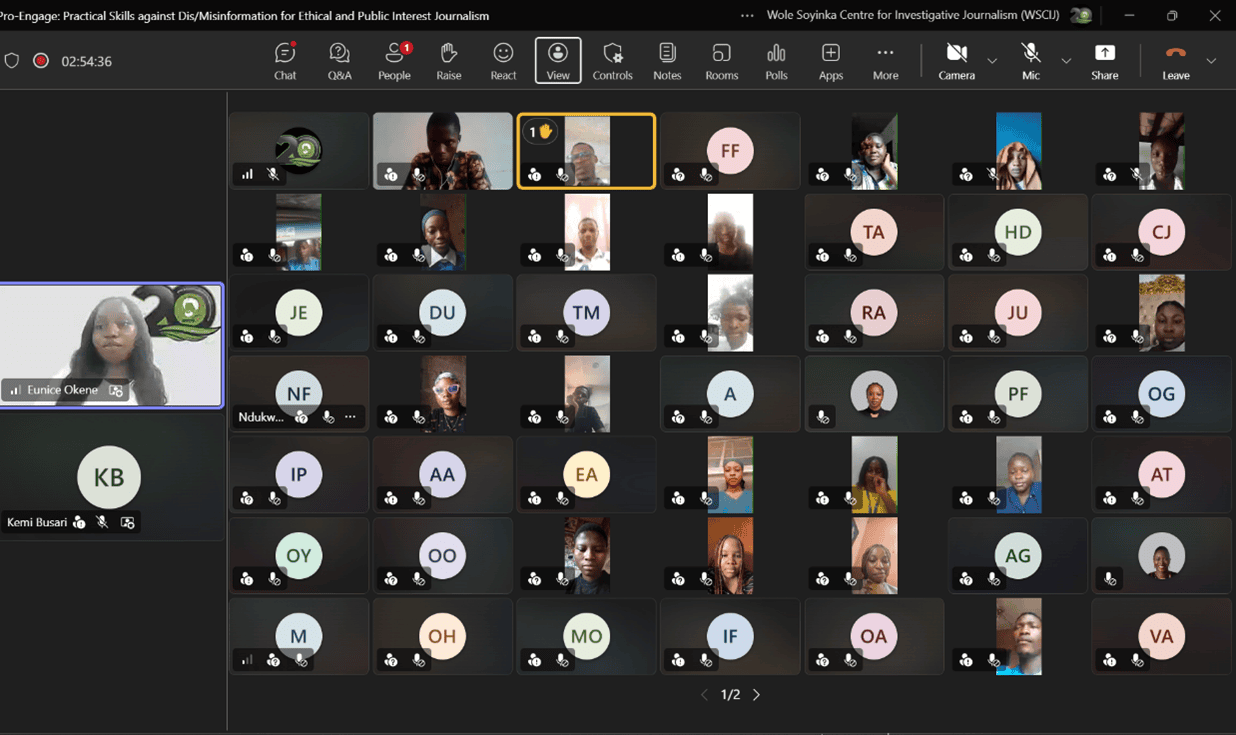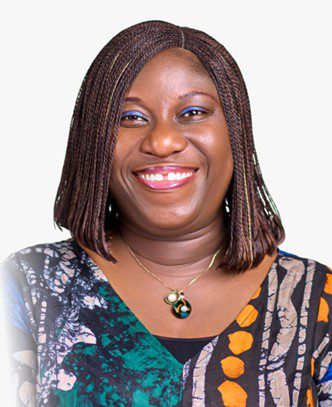
As Nigeria prepares to roll out sweeping tax reforms in January 2026, experts have warned that public trust may determine whether the reforms succeed or fail. At the October edition of the Journalism and Society Conversations organised by the Wole Soyinka Centre for Investigative Journalism (WSCIJ), speakers called on the media to act as the critical bridge between government policy and public understanding.
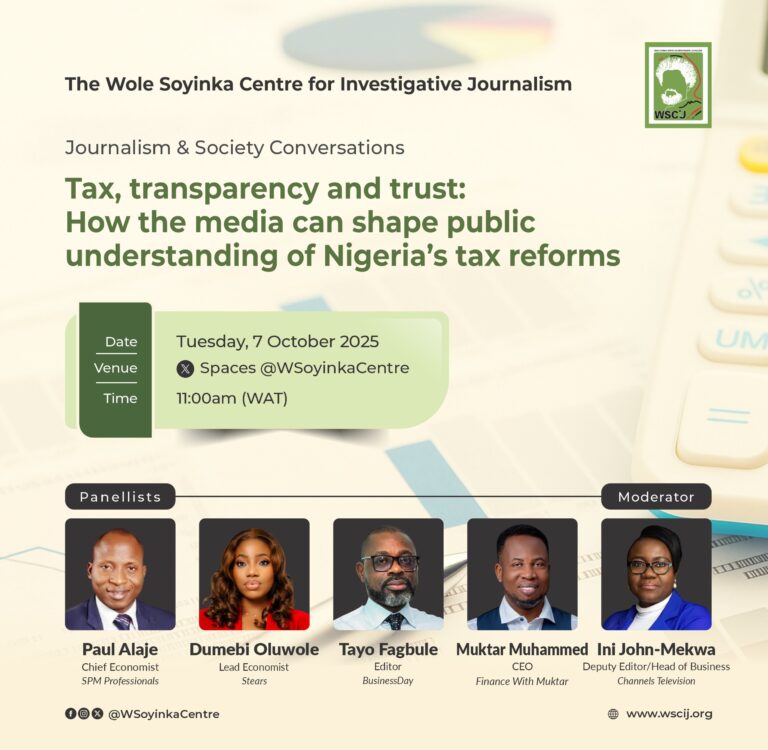
The discussion, themed “Tax, Transparency and Trust: How the Media Can Shape Public Understanding of Nigeria’s Tax Reforms”, brought together journalists, economists, and financial experts to examine how gaps in communication and transparency continue to erode trust in Nigeria’s fiscal system.
The panel featured Tayo Fagbule, Editor of BusinessDay; Dumebi Oluwole, Pan-African Economist and Consultant; and Muktar Muhammed, CEO of Finance with Muktar, with Ini John-Mekwa, Deputy Editor and Head of Business Desk at Channels Television, as the moderator.
In her opening remarks, Motunrayo Alaka, Executive Director/CEO, WSCIJ, represented by Laura Ede, Associate Director, Programmes, WSCIJ, reflected on the Centre’s long-standing commitment to the issue of tax education. She recalled the 2016 WSCIJ Media Lecture Series, which focused on tax education, national development and the seminal role of the media. She said, “Nearly a decade later, those recommendations still hold. If anything, the media’s role in bridging the information gap is now more critical than ever. It is not just about reporting facts – it is about helping people understand them”. She said.
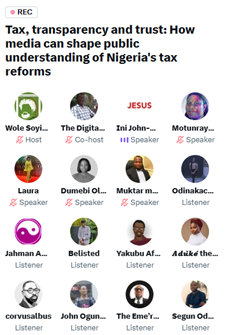
“Regardless of your beat, journalists must overcome their own knowledge gaps and help others do the same”, Fagbule added, stressing that trust cannot thrive in confusion. He urged journalists to break down complex fiscal policies using multiple formats – from print to video to social platforms – to reach audiences beyond the elite and make taxation relatable to everyday Nigerians.
Speaking on key provisions of the new tax law, including exemptions for individuals earning less than ₦800,000 annually, Fagbule described the framework as developmental but warned that “public engagement and transparency will determine whether citizens see this as reform or burden”.
Oluwole emphasised that trust begins with openness, stating that government transparency must start from the top. “When governments fail to communicate clearly, misinformation fills the gap. Citizens can only trust what they understand and feel part of”, she said. She called for greater citizen involvement in policymaking, arguing that participatory processes not only rebuild confidence but also signal stability to investors and lead to visible social benefits like jobs and infrastructure.
Also speaking on the issue of trust, Muhammed cited the removal of fuel subsidies as a warning sign, stressing that “Life is harder for Nigerians now. So how do you convince people to pay more when they are getting less?”. He noted that it is not that Nigerians are unwilling to pay taxes, but that they want to see tangible results from their contributions. Muhammed called on Nigerians to actively demand transparency in the budgeting and project implementation process, warning that without citizen involvement and judicial protection, accountability in governance will remain elusive.
Throughout the discussion, speakers agreed that rebuilding trust will require consistent, truthful storytelling from both government and the media, stories that link taxation to tangible outcomes in people’s lives.
The monthly Journalism and Society Conversations by WSCIJ provides a space for journalists and thought leaders to examine the intersection of media and public interest. By fostering open dialogue on governance, accountability, and trust, WSCIJ continues to champion a media landscape that empowers citizens to ask better questions and expect better answers.