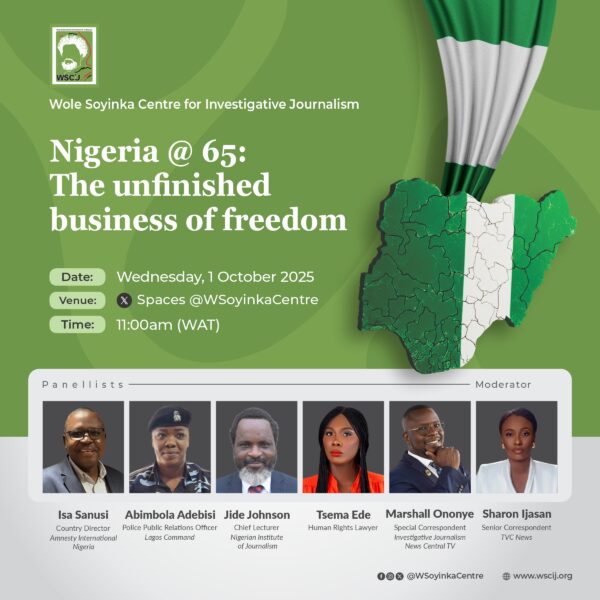
As Nigeria marks 65 years of independence, panellists at a virtual conversation hosted by the Wole Soyinka Centre for Investigative Journalism (WSCIJ) on Wednesday, 1 October 2025, warned that the nation’s democratic journey remains unfinished without stronger protections for press freedom, free expression, the repeal of repressive laws, and greater collaboration to defend civic space.
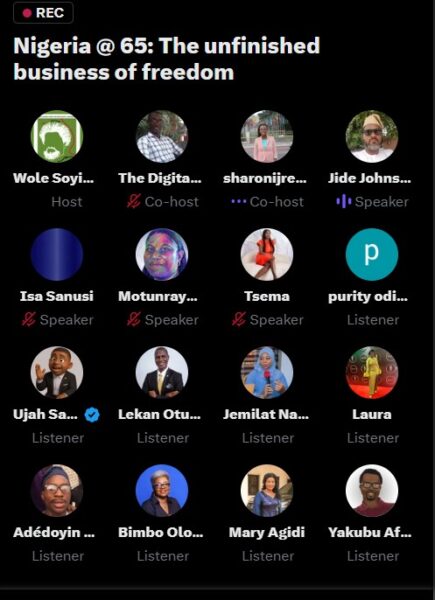
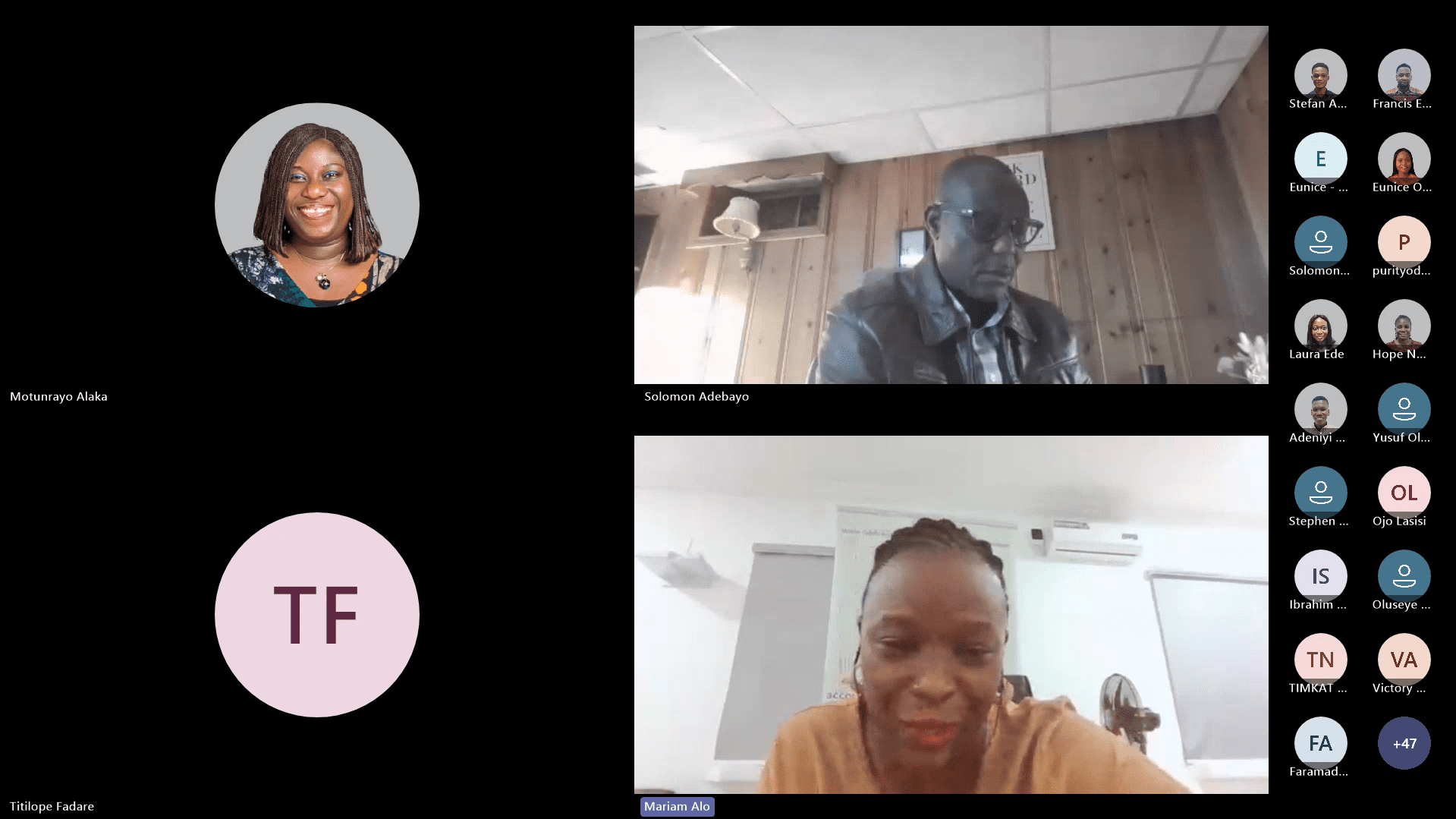
The discussion, themed “Nigeria @65: The unfinished business of freedom”, brought together media professionals, civil society leaders, and human rights advocates including Jide Johnson, Chief Lecturer at the Nigerian Institute of Journalism; Tsema Ede, Human Rights Lawyer; Isa Sanusi, Country Director, Amnesty International; with Sharon Ijasan, Senior Correspondent at TVC News, as moderator.
Reflecting on Nigeria’s democratic journey, Motunrayo Alaka, Executive Director/CEO, WSCIJ, noted in her opening remarks that the country has recorded milestones in press freedom and civic space, even though challenges persist. “Twenty, twenty-five, thirty years ago, press attacks and arbitrary arrests were more rampant. We have made progress, but there are still gaps. We still have unfinished business as a country.” According to her, self-censorship, restrictions on options for citizens, and recurring violations show that fundamental freedoms, speech, association, safety, and access to justice are not fully guaranteed, especially for the poor and those in rural areas.
Reiterating WSCIJ’s mental health support for journalists and its continued engagement with security agencies, Alaka stressed that collaboration and coalition are vital, particularly when journalists or citizens are unlawfully detained.
Speaking on the central role of the media in Nigeria’s democratic journey, Jide Johnson observed that while the media remains a critical component of development and access to national resources, it has become deeply entangled in the country’s political structure. He cautioned against the dangers of over-commercialisation of the public sphere. “In today’s political economy of the media, those with financial power dominate the space, while others are silenced,” he said. Johnson noted that the media must continue to serve as a check on society and government, ensuring equal opportunities for all citizens regardless of their background.
Highlighting the persistent clampdown on freedom of expression, Isa Sanusi stressed that the problem is not unique to Nigeria but part of a wider global concern. He noted a steady increase in reports of the DSS and the Police arresting individuals over social media posts, often denying them access to lawyers and family members. With the rise of social media and citizen journalism, Sanusi urged those in power to recognise that the world has changed and to adapt accordingly.
Pointing to the misuse of the Cybercrime Act and SLAPPs as tools to intimidate journalists, Tsema Ede warned that unchecked self-censorship only emboldens repression. She called for the repeal of criminal defamation laws, arguing that even if a journalist exaggerates a story, it should never justify bullying or silencing, as such actions undermine democracy.
To strengthen democratic practice, Ede stressed that there must be consequences for misconduct and justice for every violation of free expression. “Impunity allows evil to thrive,” she said. She further emphasised the need for partnerships between journalists and lawyers both locally and internationally to resist abuses, including through regional mechanisms such as the ECOWAS Court. She also encouraged journalists to explore new opportunities, such as the use of artificial intelligence, while continuing to educate citizens on the importance of free expression.
Adding to the conversation, Bimbo Oloyede, Executive Director, Strictly Speaking, stressed the need to establish real structures to protect journalists. She proposed possible collaborations with organisations such as the NUJ or Amnesty International to put effective systems in place. According to her, such measures would reassure journalists that safety mechanisms exist, strengthen their confidence, and better guarantee their protection while carrying out their work.
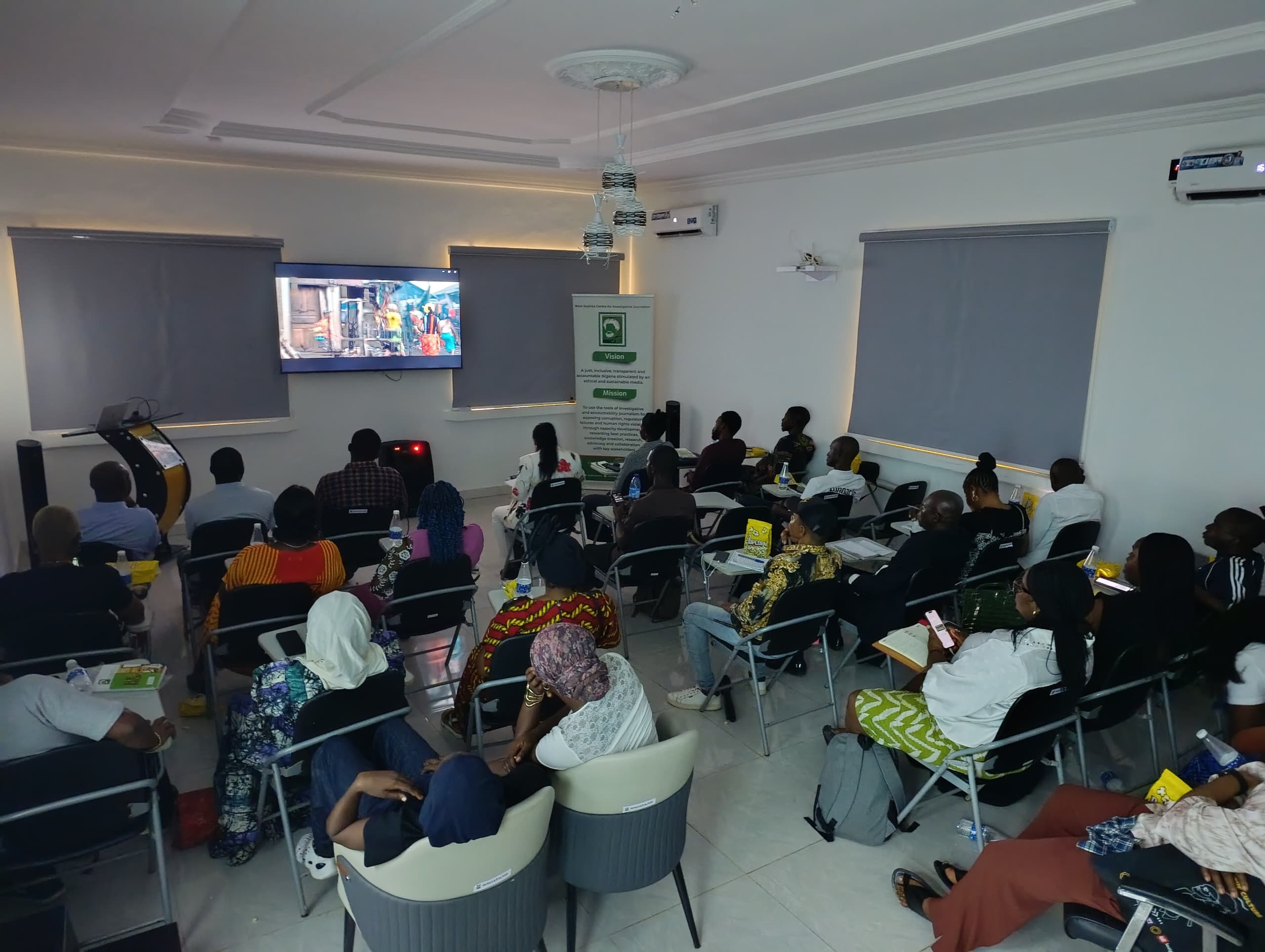
The Independence Day Conversation by WSCIJ provided a platform for stakeholders to reflect on Nigeria’s democratic journey, spotlight challenges to civic freedoms, and reaffirm the role of a free press in protecting citizens’ rights and strengthening democracy.