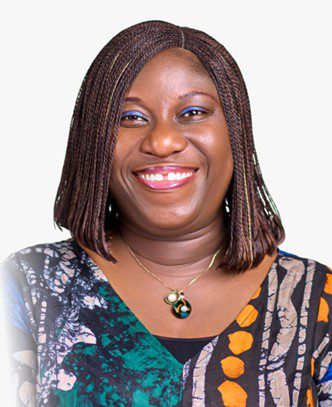
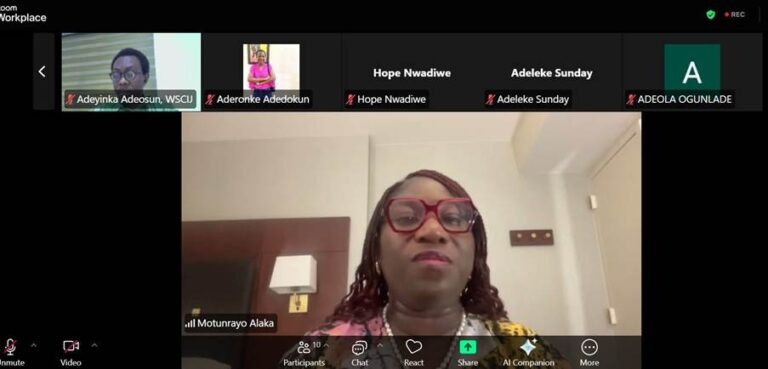
Motunrayo Alaka, Executive Director/Chief Executive Officer of the Wole Soyinka Centre for Investigative Journalism (WSCIJ), has charged the government and other state actors to move from suspicion and promises to meaningful dialogue, followed by concrete action, while recognising the protection of press freedom as a fundamental duty.
She made this call while delivering a keynote address on the theme, “Shaping a Future at Peace: Promoting Press Freedom for Human Rights, Development, and Security,” at the World Press Freedom Day 2026, organised by The Nation Journalism Foundation, in Lagos.
In her address, Motunrayo stated that press freedom is currently facing unprecedented systemic regression and strain, both globally and locally. She emphasised that protecting journalists is not a favour to the media but a responsibility of the state. According to her, the global environment for journalism is becoming increasingly hostile, driven by economic pressures, political interference, technological disruption, and declining public trust.
She noted that threats against the press often intensify during elections and periods of civic participation, suggesting that those in power frequently perceive the media as an obstacle rather than a democratic partner. Citing Reporters Without Borders, she highlighted that global press freedom has declined to one of its lowest levels in decades, with more than half of countries now classified under “difficult” or “very serious” conditions.
She further grounded this global trend in Nigeria’s context using local data. The WSCIJ’s 2024 Journalism & Civic Space Status Report, Shrinking Freedoms documented 103 civic space violations, 81 of which involved state actors. Similarly, the Centre for Journalism Innovation and Development (CJID) 2024 Openness Index scored Nigeria at 50.51 per cent, indicating poor democratic openness. By the end of 2025, the Media Rights Agenda report, The Reign of Impunity, recorded 86 attacks on journalists and citizens.
Highlighting the link between press freedom and fundamental rights, she stated: “Press freedom is not a privilege reserved for journalists; it is a derivative of the fundamental freedoms of the people. It is not complete when a story is published; it is only complete when that information enables a citizen to act. Press freedom is, in essence, people’s freedom.”
Motunrayo also noted that WSCIJ’s Civic Space Guard programme was designed to position investigative journalism as a safeguard for civic space, emphasising that journalism plays a critical role in ensuring visibility, amplifying voices, and fostering accountability.
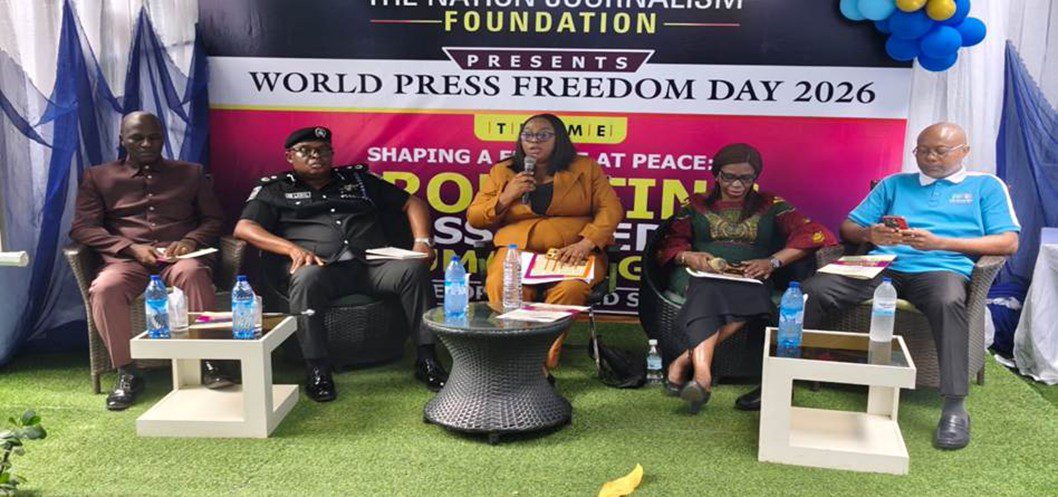
She warned that legal and digital restrictions continue to complicate the media landscape, citing the misuse of cybercrime laws and surveillance technologies as growing threats to press freedom.
Stressing that independent media is essential for peace and security, serving as an “early warning mechanism”, she pointed to the Centre’s Collaborative Media Engagement for Inclusivity and Accountability (CMEDIA), which supports 26 news media and media support organisations, as a step in the right direction.
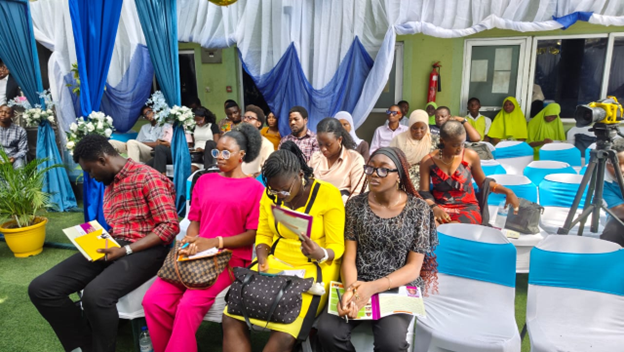
She further encouraged citizens to recognise that an attack on the press is an attack on their own freedom, urging them to support credible media and verify information before sharing. Civil society organisations, she added, must engage constructively without politicising critical issues.
Motunrayo concluded with a call to action directed at key stakeholders. She urged governments to create an enabling environment and recognise the protection of journalists as central to democracy. She called on media organisations to strengthen ethical standards, invest in safety, mobilise resources, embrace collaboration, and support the development of a National Framework for Media Sustainability, Independence, and Protection, including safeguarding newsrooms against the malicious use of artificial intelligence.
In the same vein, Lekan Otufodurin, Executive Director, Media Career Development and Network, urged journalists to uphold ethical standards even as they hold power to account, noting that while press freedom is constitutionally guaranteed, it must be exercised with responsibility.
Also speaking at the event, Abigail Ogwezzy-Ndisika, Professor of Journalism and Mass Communication and Director of Institute of Continuing Education at the University of Lagos, explored the internal forces that influence media practice, with particular emphasis on how ownership structures shape editorial decisions. She cautioned against proprietorial interests, which often interfere with journalistic independence, especially during election periods, when segments of the media risk being aligned with elite agendas rather than serving the public interest.
On his part, Adesina Lawal, Deputy Commissioner of Police (Operations), called for more responsible conflict reporting, cautioning that sensational reports could inflame tensions and trigger violence. He urged journalists to avoid unverified claims, exaggerated figures, and narratives that could incite ethnic or political conflict, especially during elections.
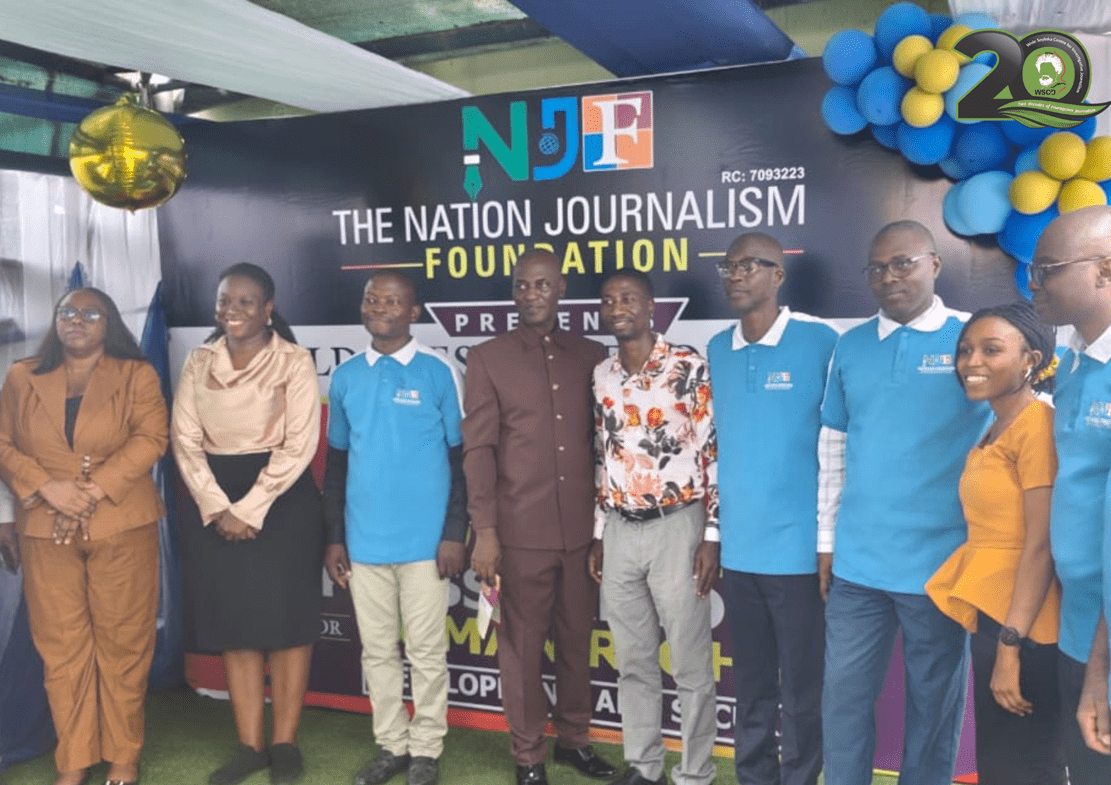
The event attracted participation from across the media and academic space, including Foundation for Investigative Journalism, TheCable, The Guardian, Vanguard Newspapers, University of Lagos Press Club, Nigerian Institute of Journalism, Union of Campus Journalists, University of Ibadan, and Oshodi Senior High School Press Club.
Find the full keynote address by Motunrayo Alaka, Executive Ditector/CEO, WSCIJ here.